A team of scientists led by the University of Cambridge discovered in ice age sediments on
Incomplete samples, several millionths longfractions of a millimeter were taken from the Copenhagen Formation. These are sedimentary deposits almost 100 meters thick, hidden at the mouth of a fjord in the Arctic Ocean at the northernmost point of Greenland. The climate in Greenland at that time ranged from arctic to temperate and was 10-17°C warmer than today. The sediment accumulated meter by meter in the shallow bay.
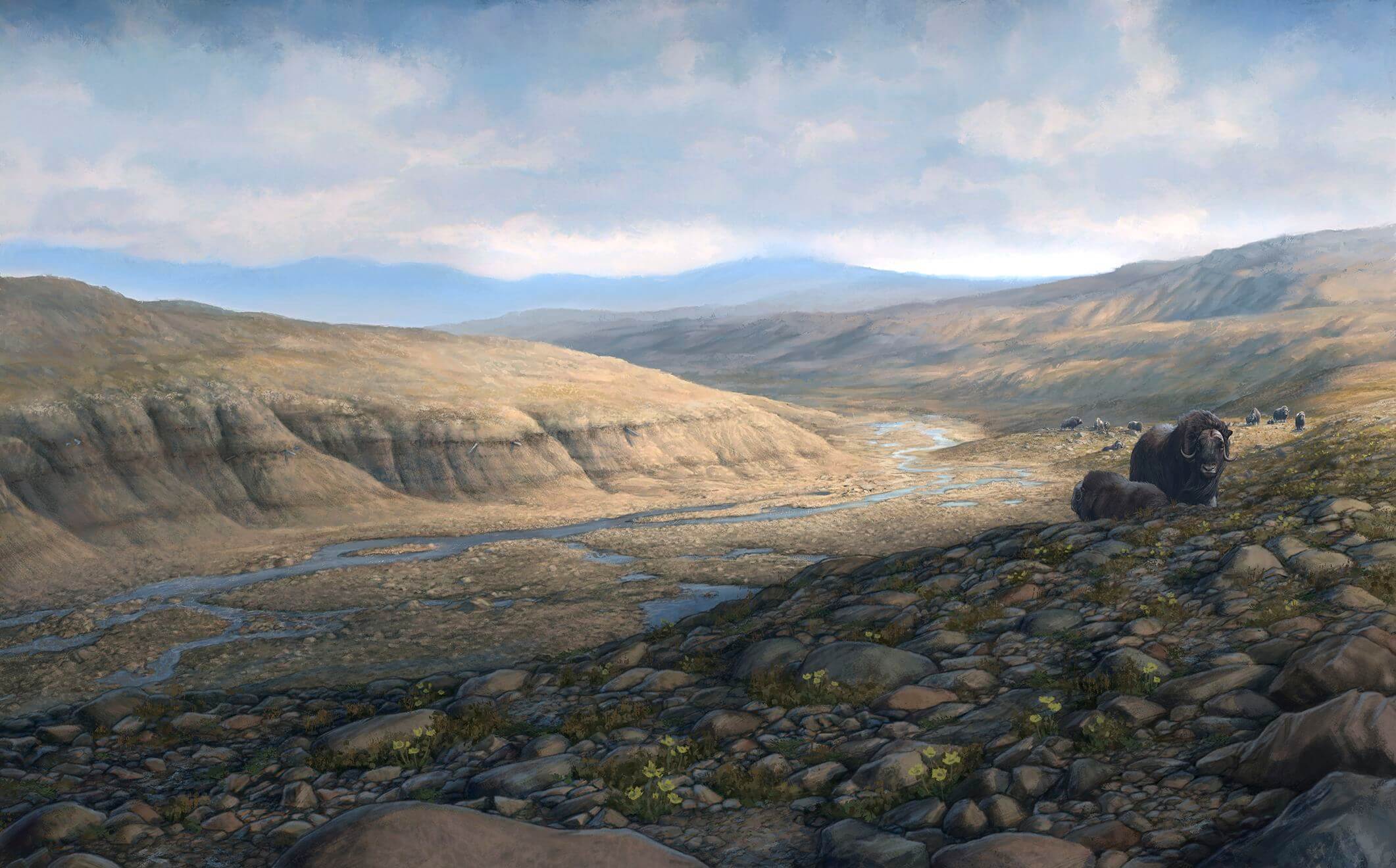
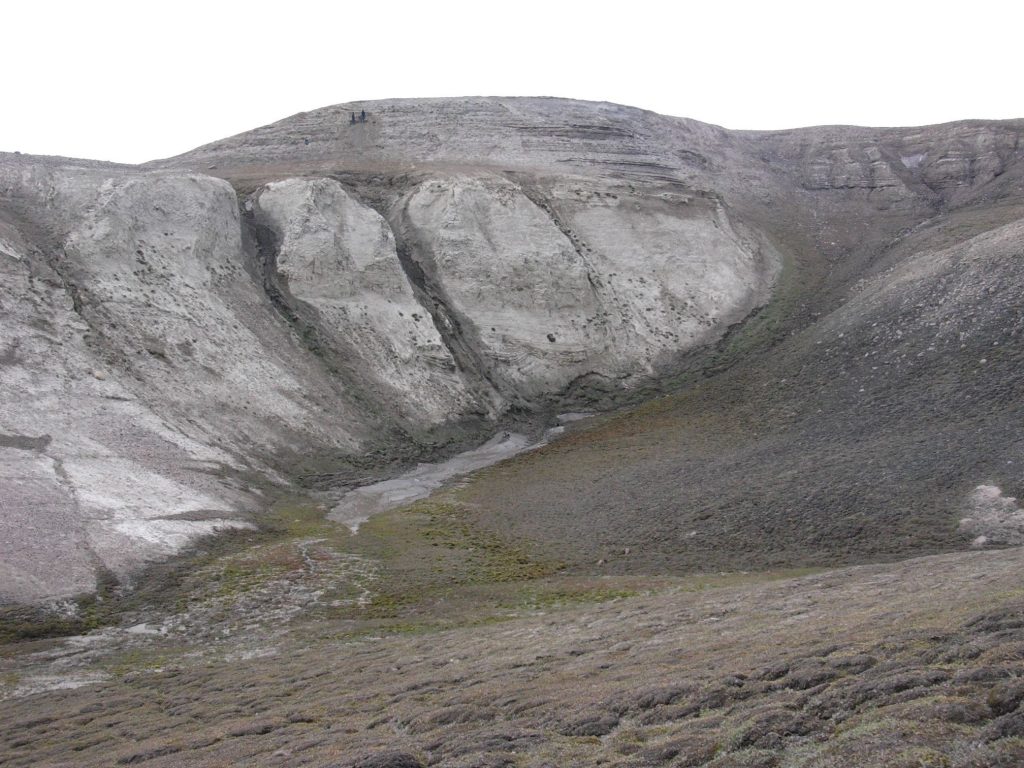
Artistic illustration of the locationCopenhagen formation 2 million years ago (left) and modern appearance (right). Images: Beth Zaiken, University of Cambridge (left); Svend Funder, University of Cambridge (right)
In the sediments, the researchers foundtraces of animals, plants and microorganisms, including reindeer, hares, lemmings, birches and poplars. The researchers also proved that mastodons, large Ice Age mammals, made their way to Greenland before becoming extinct. Previously, it was believed that the habitat of proboscis animals never reached Greenland.
Some of the DNA fragments were easyclassified as predecessors of modern species, the scientists note. Other specimens could only be linked at the genus level, and some descended from species that cannot be linked to modern animals, plants, and microorganisms.
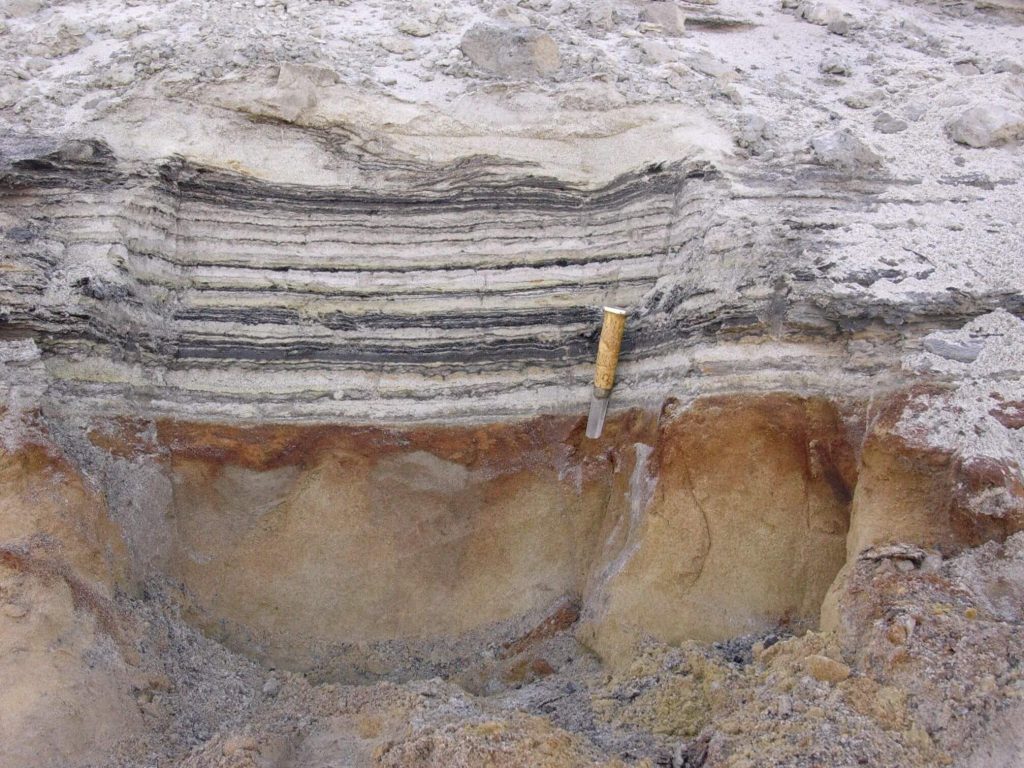
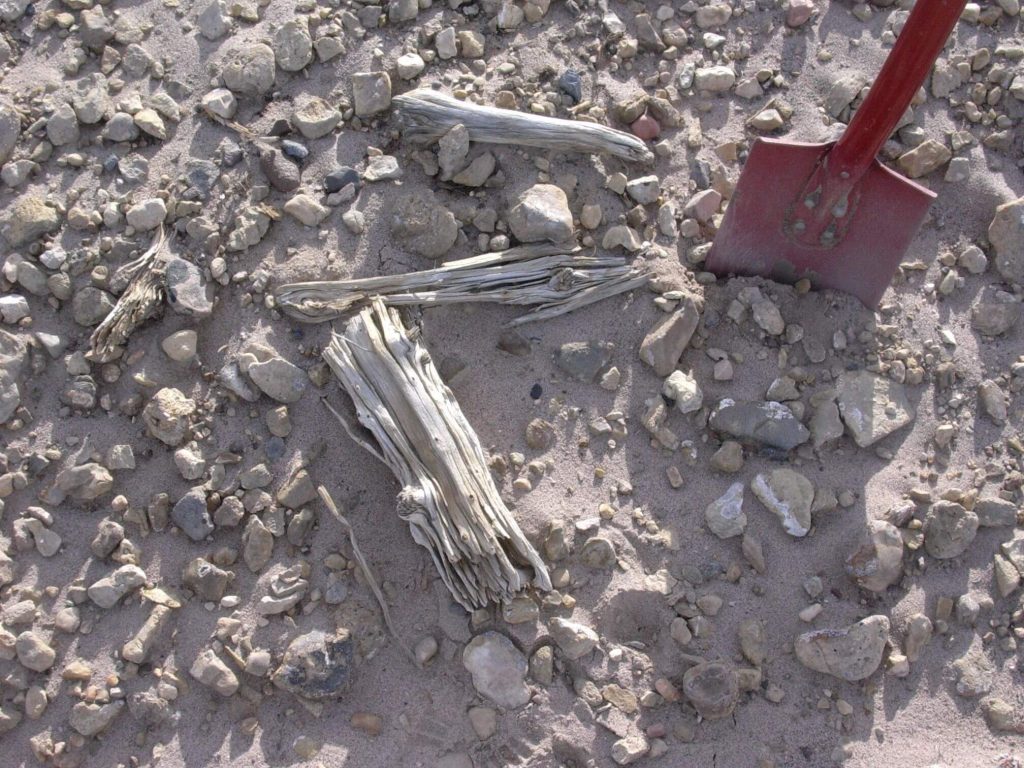
Close-up of organic deposits (left) and ancient plant remains (right). Images: Svend Funder, University of Cambridge
By studying ancient DNA, researchers alsohave found genetic traces of a wide range of microorganisms, including bacteria and fungi, which they continue to map. A detailed description of the biological interactions between animals, plants and single-celled organisms in the former ecosystem of the northernmost point of Greenland will help to understand how animals have survived climate change.
Researchers believe that some "tricks"found in the DNA of 2-million-year-old plants could be used to make some of today's endangered species more resilient to a warming climate.
Read more:
Hydrogen energy, material against cold weather and bioadditives against COVID-19: what scientists are creating in the North
The egg was dropped from space: look what happened to it
"The Walking Dead" existed millions of years ago: scientists told how they appeared
On the cover: an artistic illustration of the animals of ancient Greenland. Images: Beth Zaiken, University of Cambridge