
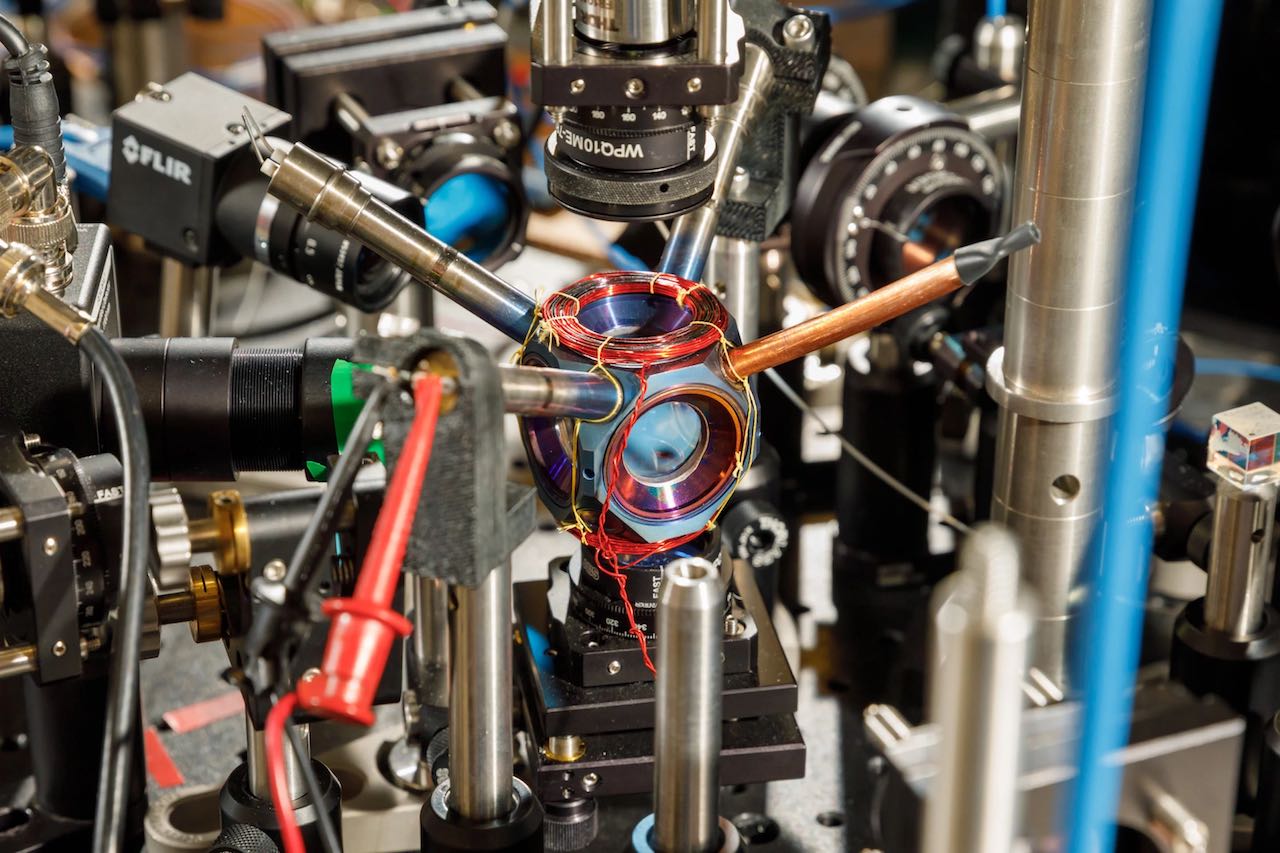
U.S. Sandia National Laboratory has developed an avocado-sized vacuum chamber made of titanium
In just a few decades, GPS has evolvedfrom military technology to a popular civilian technology solution for a variety of day-to-day applications. Modern society relies heavily on these GPS applications. However, the global positioning system is not always available in places such as high polar latitudes or deep mountain valleys. In addition, GPS signals can be blocked or muted.
GPS systems are vulnerable to addictionfrom the constellations of satellites orbiting the Earth. These satellites emit time-stamped signals that are synchronized with the atomic clock. GPS receivers use the Doppler effect on satellite signals to calculate the position and speed of the receiver extremely accurately. If these signals are interrupted or damaged, the system fails.
An alternative is a technology that was originally developed for military missilesduring World War II and is commonly used on submarines when submerged.Called "inertial guidance," it is a fully autonomous system that usesgyroscopes and accelerometers to calculate the position of the navigation device in relation to a fixed known position.
</ img>
The problem is that, like GPS, inertial guidance systems need to be very accurate and have the same level of timing as atomic clocks.This is possible with existing systems using mechanical gyroscopes or lasers through rubidium gas clouds to measure quantum effects – but they rely on heavy and expensive vacuum systems.
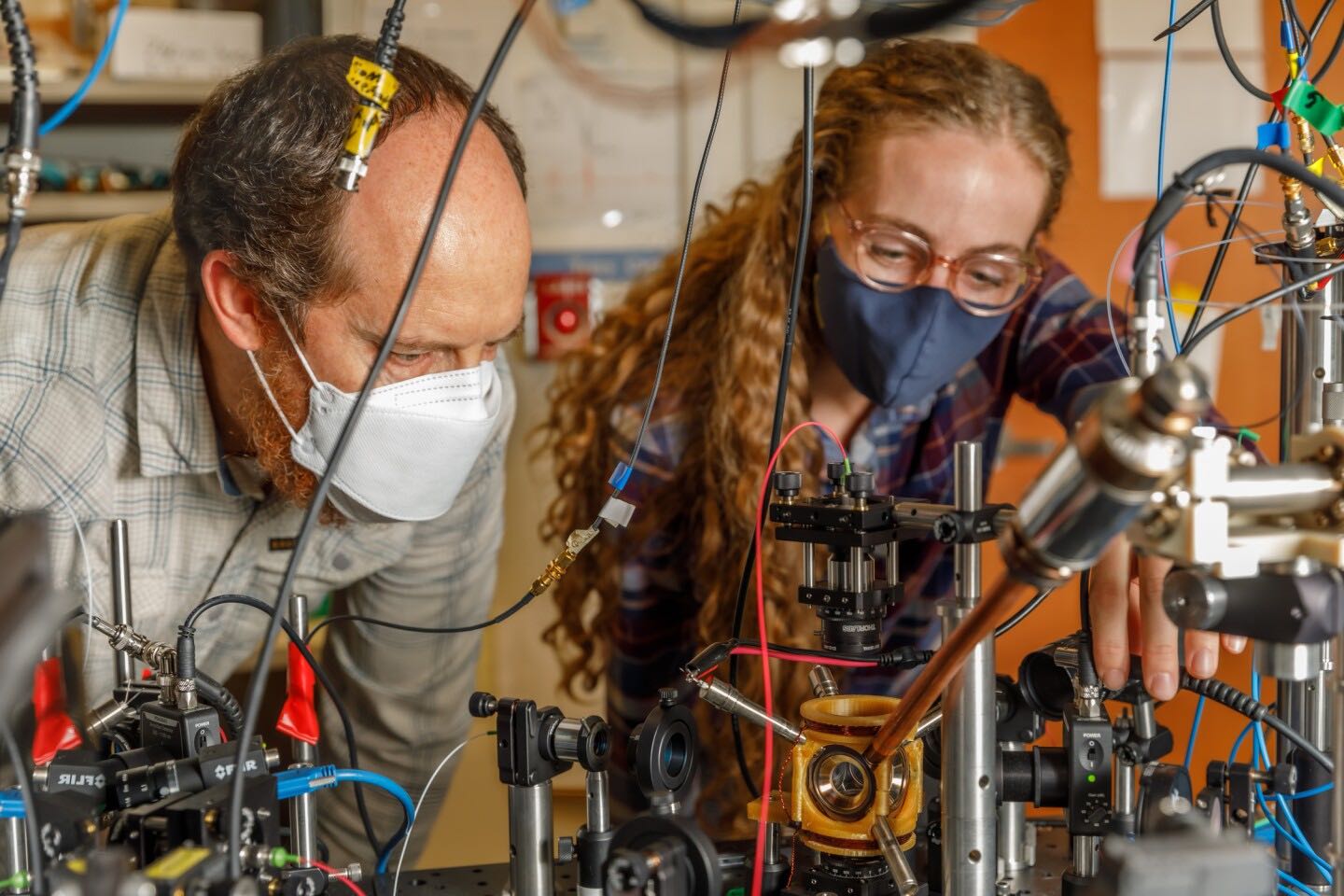
The Sandia team's approach involves making robust quantum sensors that fit into a chamber with a volume of just one cubic centimeter.This camera is made of titanium and has sapphire windows, materials that are very protectivegases such as helium.

</ img>
The system has not yet been perfected, and its weakest point is the vacuum maintenance time.Researchers are now trying to make the device less bulky and easier to manufacture.
Source: newatlas, sandia
Illustrations: sandia, fandom
</ p>