Comet 29P/Schwassmann-Wachmann 1 is a large short-period comet. German astronomers Arnold Schwassmann
As astronomer Tony Phillips recounts in an articlefor Spaceweather.com, the comet is "adorned with ice volcanoes that erupt 20 times a year." Object 29P was first discovered in 1927 on the orbital path between Saturn and Jupiter. The explosive nature of the Schwassmann - Wachman 1 comet has been known for several decades. However, it is now going through a particularly volatile period. For example, an amateur astronomer from Arizona Eliot Herman at the end of September observed the eruption of the comet four times in a row.
The current outburst of comet 29P from Berthelot Observatory (L54).@Astro_Romania pic.twitter.com/IdbHpsx7Os
- sonkab (@sonkab) October 18, 2021
"The outbreak that beganSeptember 25th was the most energetic in 40 years, said Dr Richard Miles of the British Astronomical Association in an article for Spaceweather.com. “In just 56 hours, four eruptions occurred, which led to the same “super flare.” Thanks to her, the comet can be seen in the night sky. According to Miles, 29P's lead researcher, it likely won't contain magma—at least not as we know it here on Earth. It is, rather, “cryomagma,” a combination of cold liquid hydrocarbons similar to those found in the lakes of Titan, Saturn’s moon.
Today on the cometAt least six volcanoes have been identified. As Phillips notes in his article, object 29P is “one of the most volcanically active bodies in the entire Solar System.”
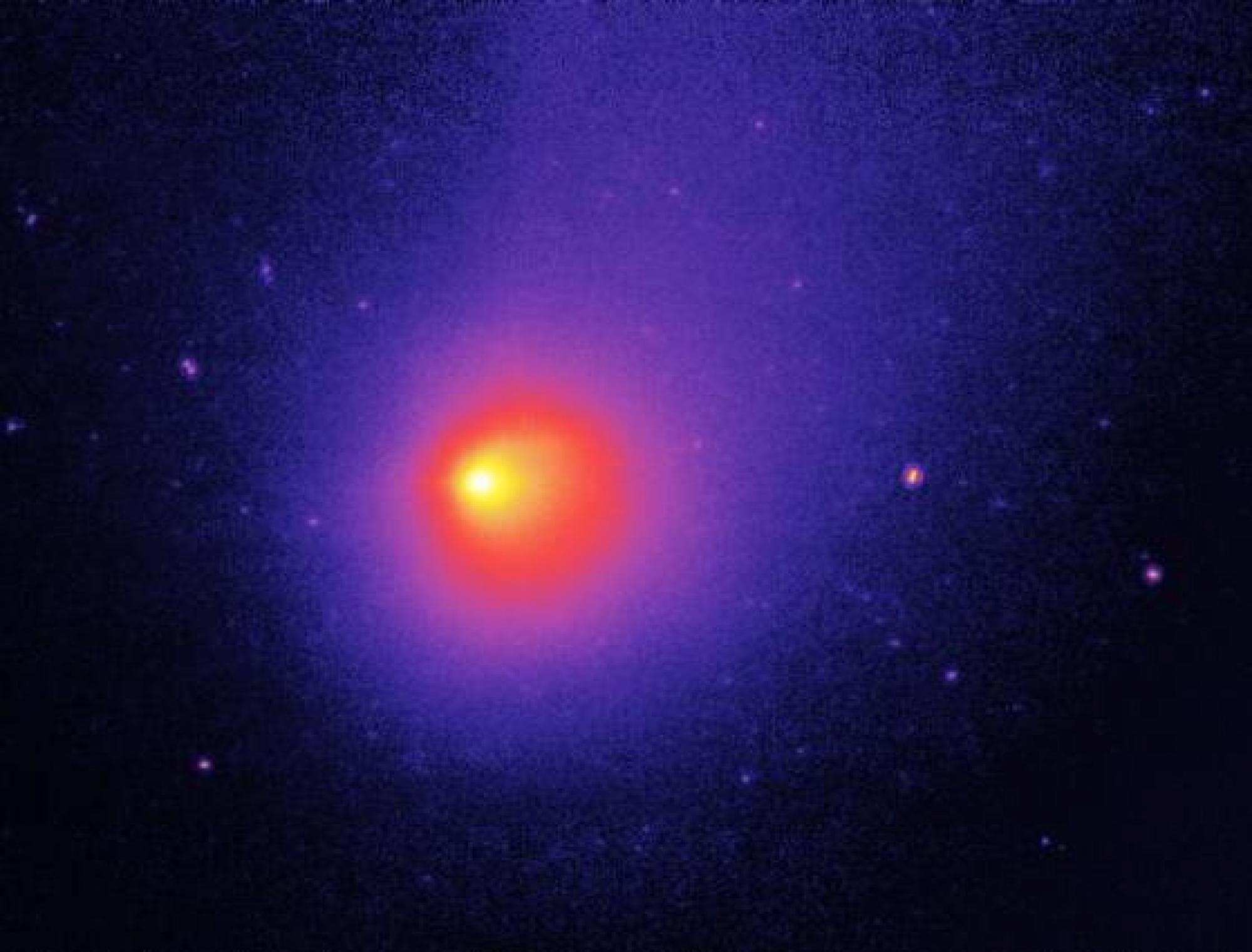 Image 29P NASA / JPL / California Institute of Technology / Ames Research Center / University of Arizona
Moreover, a series of eruptions in September increasedThe brightness of Comet Schwassmann-Wachmann 1 is 250 times, and it has not yet decreased to normal levels. This means now is a great time for amateur astronomers to look for a cosmic volcano in the sky. Space observation site Sky & Telescope explains how to find object 29P in the night sky.
Read more
Hubble took a photo of the same active galaxy 20 years apart
Astronomers told where and how gold and platinum are formed in the universe
Hear the sounds of Mars recorded by the Perseverance mission