At first glance, the ZTE Axon 20 5G may seem like a standard modern smartphone. It is thin, light, with
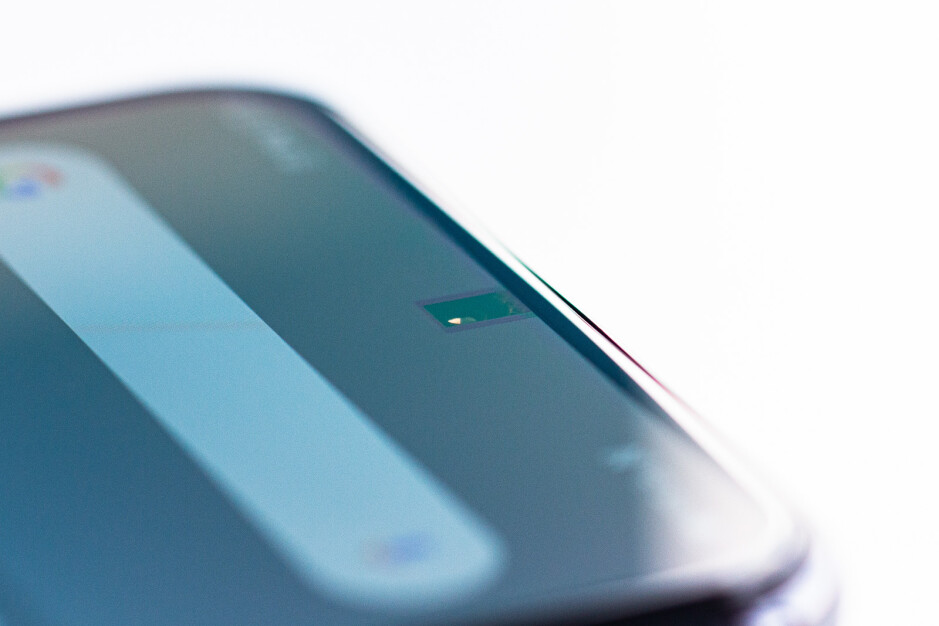
But on closer inspection, you may be surprised to find that the ZTE Axon 20's display is not completely interrupted by punch-hole selfie cameras or any notches.
Where is the selfie camera?
In its current form, the ZTE Axon 20 5G — it's justThe first step towards the future of phones with "invisible" selfie cameras, so the illusion here only works great with dark wallpapers and dark mode apps.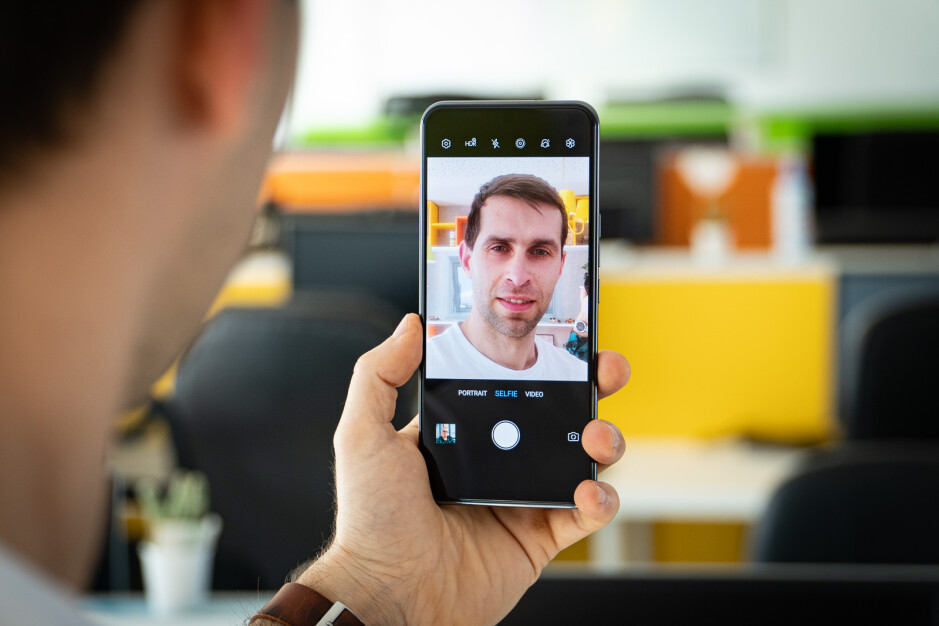
Once you start looking whitewebpages or using apps with vibrant primary colors, you'll notice a strange black square at the top of the display, where the punch-hole selfie camera is usually found. This square is actually an area of larger pixels through which the camera below them can see. This is a first generation solution.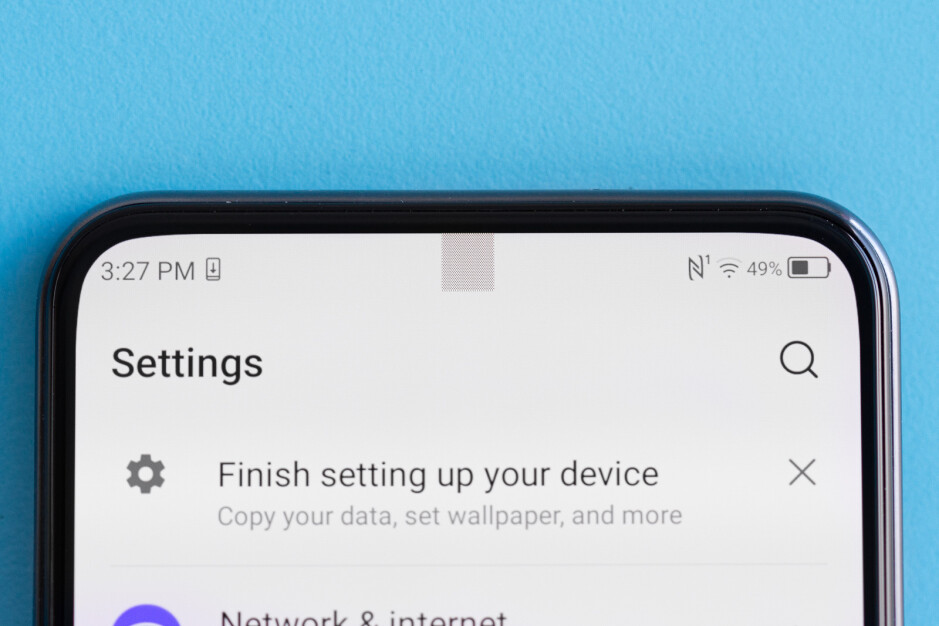
Due to the much larger size of these pixels, the area they cover doesn't quite match the rest of the screen in terms of color reproduction. In general, it is not very beautiful.
On the other hand, as soon as you turn on the darkmode and all your apps turn black (or grey) and you also choose a darker wallpaper — the illusion works! The selfie camera convincingly disappears and you might even forget about it until you really need it.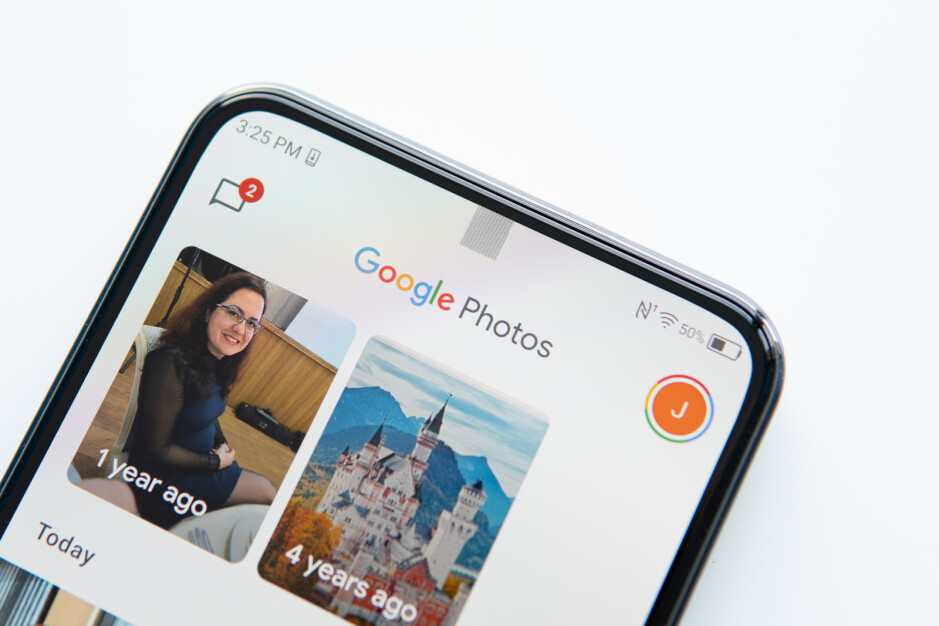
It is only when you watch YouTube videos or movies that you are likely to get a reminder of the aforementioned large pixel square, but generally in dark mode it is not that scary.
Facial recognition works on ZTE Axon 20 5G onsurprise is quick and good, although it's important to remember that this is a less secure type of face recognition that only uses one selfie camera. It works well even in low light conditions, but in theory it could be fooled by someone like you. Therefore, it is best to use a fingerprint reader for authentication.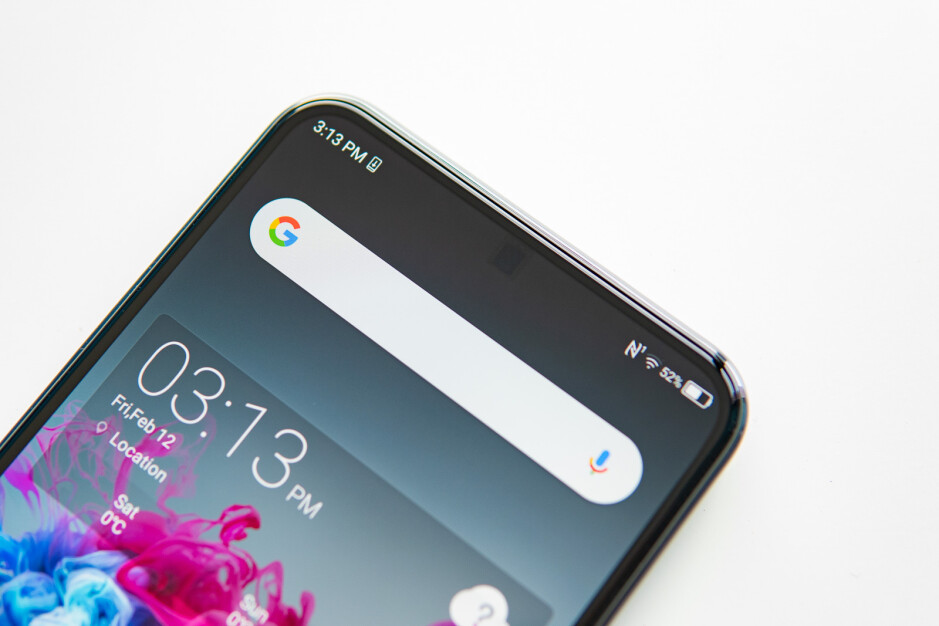
But just in case you were curious, face unlock works just as well with this under-display selfie camera as it does on any other phone or tablet that supports the feature.
What do the selfies taken by the camera under the display look like?
Photos from the camera under the Axon 20 displayturn out fine, although slightly soft around the edges. Even in good lighting conditions, the camera quality doesn't quite match the average mid-range phone with a conventional camera.
Faces always seem a little soft, even if youdisable skin smoothing effects that are enabled by default, as is the case with many Chinese phones. In addition to regular selfies, you can take portrait selfies and take videos with the camera under the display. And from them you can expect the same camera performance.
Like a first generation camera under the display, II guess we can't expect miracles, but considering this is a $ 449 phone, most consumers are likely to have higher expectations than this one.
From the results of this camera, we can understandwhy other manufacturers like Samsung may take their time to implement under-display camera technology. Perhaps this is still not enough for the average consumer.
Selfie cameras in phones in recent yearshave undergone significant changes. Most of us remember when notches first became a hot new trend (I'll never forget the Pixel 3 XL notches). A number of phones with motorized pop-up selfie cameras followed, until punch-hole selfie cameras became the most widely accepted standard for Android phones. And while Apple will stick to its branding even for its upcoming iPhone 13, Android phones will likely soon switch to using under-display selfie cameras.
ZTE Axon 20 5G gets the crown for beingis the first commercially available smartphone with an under-screen camera, but we know that Samsung is also working on under-display camera technology as is Xiaomi.