An unusual catfish, a tiny hutia, a cocaco bird, a mushroom from Chile and other lost species.
Fat catfish
He was last seen in 1957 in Colombia.The species is under threat of extinction. It was observed at an altitude of 3 thousand km in the alpine lake Tota: the locals call the species Pez Graso, which can be translated as "fatty fish". Soma was first described by ichthyologist Cecil Miles in 1942. In total, scientists registered five individuals. The mystery of their disappearance has not yet been solved.
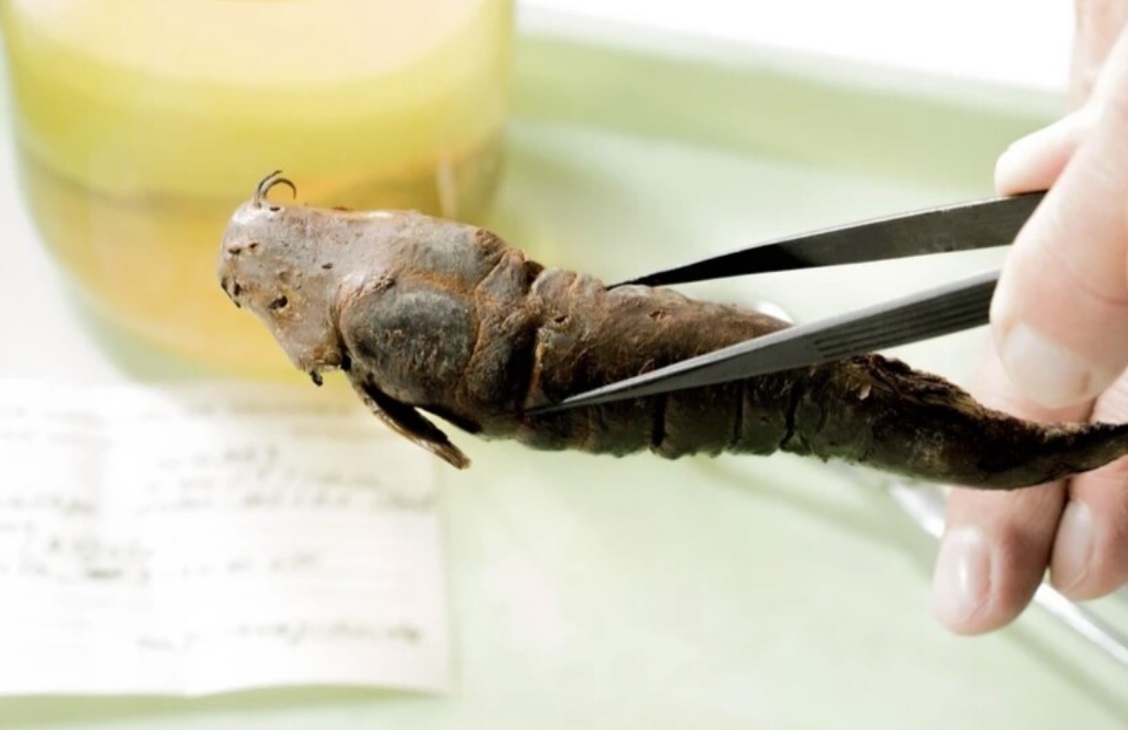 Source: Mariana A Moscoso
Mouse Togo
The mouse was found in 1890:at least two individuals are known. Their data is almost the entire known history of the species. Researchers believe that the Togo mouse lives in parts of Ghana in West Africa. The contents found in the teeth and stomachs of individuals indicate that the Togo mouse diet includes insects. The hunters believe that their activities have led to a decline in the population of several local small mammals, including Togo mice.
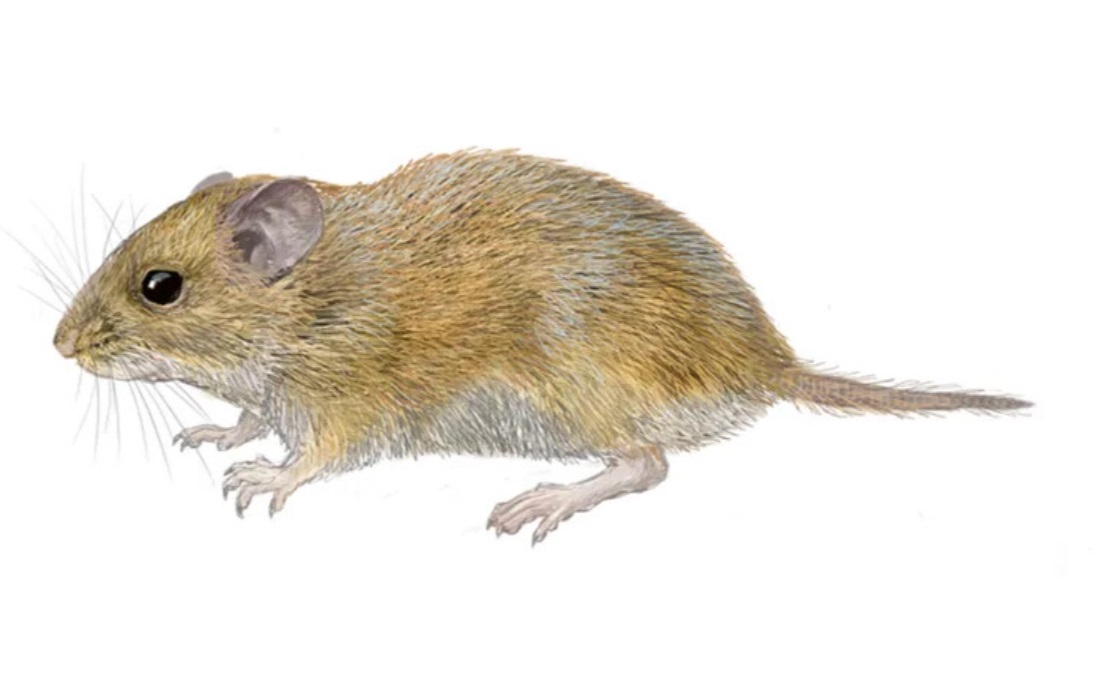 Source: Re:wild
dwarf hutia
This is one of the mammals that was described byfossil remains. The pygmy hutia looks like a rodent, such as a guinea pig. She once lived throughout Cuba. The species was last observed in 1937. Later, only circumstantial evidence of his life appeared. Researchers suggest that only a few dwarf junti remain. They, unlike other rodents, give birth to a small number of cubs, in captivity they gave birth to only one.
The dwarf juntia may have become extinct due to invasive species. Rodents also competed with black rats for habitat and food. Most of their areolas have been destroyed by humans or fires.
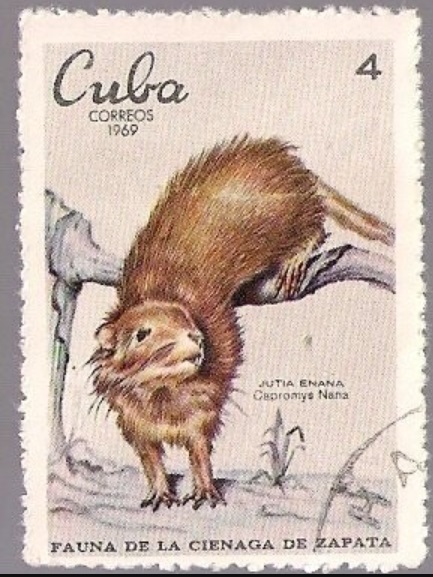 1969 Cuban stamp with hutia
Orange-striped Crow or Southern Kokako Warbler
The bird was last seen in 2007.The species was discovered and studied in 1967. Based on this observation, in 2013 the New Zealand Department of Conservation reversed the decision to declare the species extinct. Now the bird is listed in the Red Book. If one day southern cocaco is found again, New Zealand conservationists are confident they can conserve and revive it, as happened with related species - Kakapo, Takahe, Black Robin and Chatham Taiko.
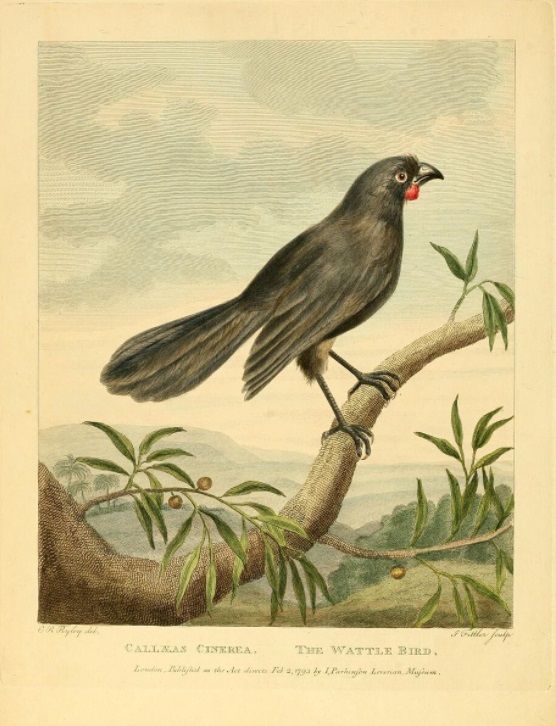 Source: Charles Reuben Ryley
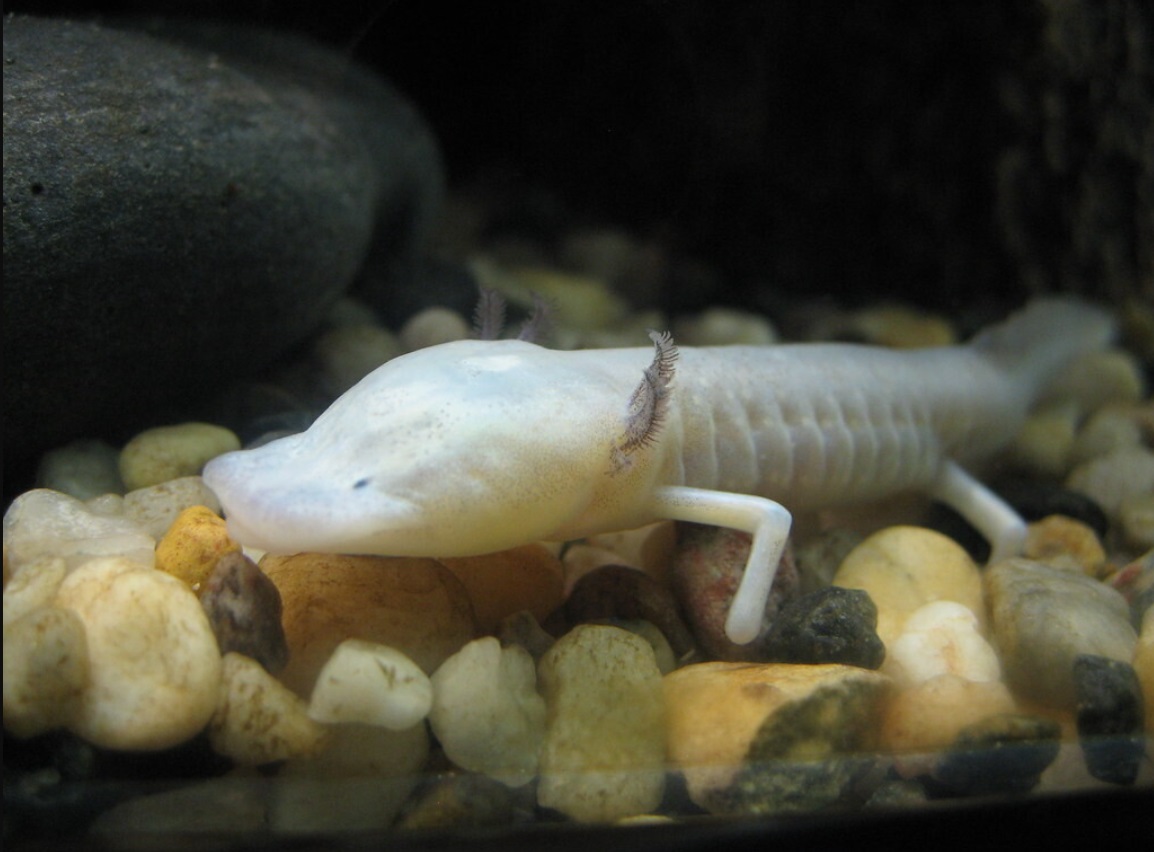
Blind Salamander Blanco
So rare that only one has ever been found.times - in a location located northeast of San Marcos, Texas. The species was discovered by workers in 1951, when they were digging a small crevice from a flowing channel in the Blanco River. Only four individuals were found, and since then there has been no evidence of a salamander. Blanco's blind salamander breathes through skin gills and probably preys on invertebrates and other salamanders. The species may be threatened by a decline in the quality and quantity of groundwater on which the population depends.
 Source: ZooPicture.ru
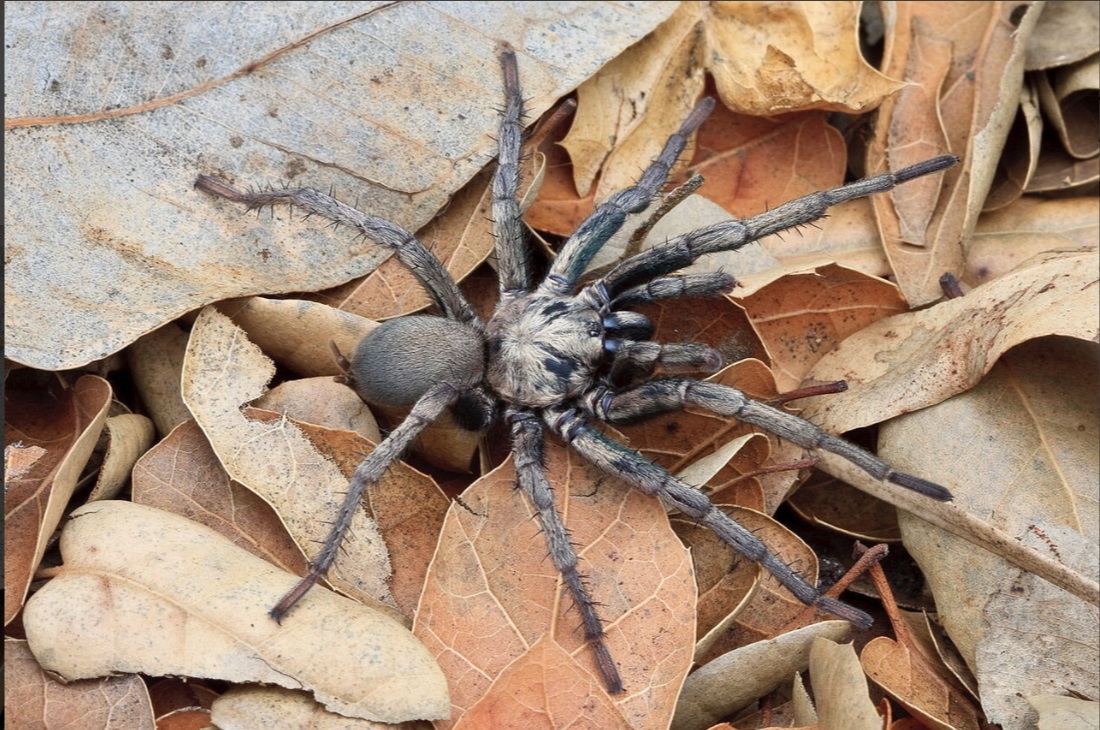
Fagildy's haymaker spider
It was first described in 1931 by researchersstudied two females who were found near a village in north-central Portugal. Males have never been found, but they are known to wander around in search of females and dance around their home to mate. In 2011, Dr. Sergio Henriques announced that he had solved the mystery of spiders - they live underground. This is the only known hay spider that has chosen such a habitat for itself.
So far, there is only circumstantial evidence thatthat Fagilda's haymaking spiders are still alive. The researchers note that they can be affected by wildfires, agricultural development and urban growth.
 Source: Wikiwand
Big Mushroom Cougar
Otherwise, the species is called NahuelbutaAusterroomphaliaster. It is the first member of the mushroom kingdom to be included in the list of the 25 most wanted lost species. It was first described in 1988 in the Bibliotheca Mycologica, endemic to the forest mountain range of South America. Not much is known about the Great Puma mushroom: it is considered monotypic, that is, it may be one of a kind.

Holly pernambuco
This holly is endemic to Brazil:scientists did not find it for almost 200 years. The existence of the Pernambuco holly is known only from one specimen collected from an unidentified location in the Atlantic Forest, off the coast of South America.
When the first colonists arrived there half a century agoago, the Atlantic Forest was estimated to cover an area of more than 1 million km². Now more than 85% of its area has been lost due to deforestation and agricultural development.
 Source: Wikipedia Commons
Long-billed Attenborough echidna
If the Attenborough echidna still exists, then thisone of the five surviving species of the monotreme order, found only in Australia and New Guinea. Their origin dates back to the Jurassic, about 160 million years ago. This species is the smallest of the long-billed echidnas and probably the most endangered. The species was studied only from one individual, which was found by a Dutch botanist during an expedition to Mount Cyclops in 1961. Judging by the statements of local residents, the animal may still be in the mountains.
Not all lost species are definitely extinct; somecases where representatives are found several centuries later. However, monitoring low-abundance species is important to maintain their numbers and the diversity of flora and fauna.
Read more
Astronomers have found a new solar system object beyond the orbit of Neptune
First complete map of the human gut
There was a battery the size of a grain of salt. It can power devices for 10 hours