What Happens After Infection With Coronavirus?
To understand how COVID-19 vaccines work, first
- Macrophagesare white blood cells that absorb anddigest microbes and dead or dying cells. Macrophages leave behind parts of the invading microbes called "antigens." The body identifies antigens as dangerous and prompts antibodies to attack them.
- B-lymphocytes- These are protective leukocytes.They produce antibodies that attack parts of the virus left behind by macrophages. B lymphocytes are capable of producing antibodies for a long time. Unlike naive B cells involved in the primary immune response, the response of memory B cells is somewhat different. B lymphocytes are able to divide several times faster and produce antibodies with much higher affinity (especially IgG). B-lymphocyte activity in secondary lymphatic organs is highest during the first two weeks after infection. Subsequently, after 2-4 weeks their reaction decreases.
- T-lymphocytes- another type of protective leukocyte. They attack cells in the body that have already been infected.
When a person first becomes infected with the virus,causing COVID-19, it may take days or weeks for his body to develop and use all the germs it needs to overcome infection. Once infected, a person's immune system remembers what it has learned about how to protect the body from the disease.
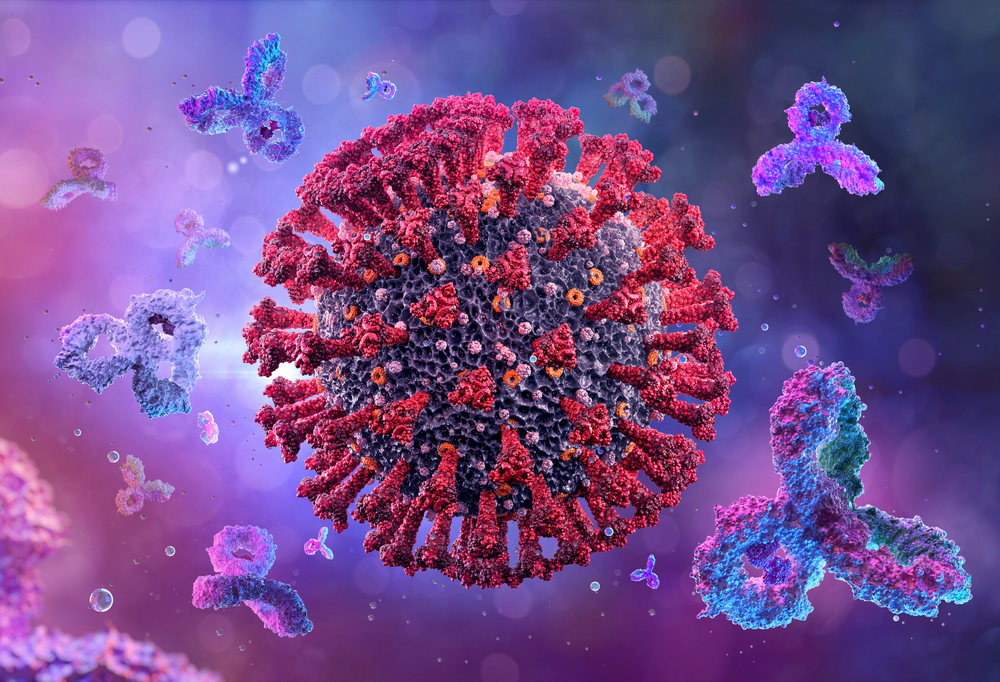
There are several T-lymphocytes in the body,called "memory cells", which quickly go into action if the body encounters the same virus again. When familiar antigens are detected, B cells make antibodies to attack them. Experts are still studying how long these memory cells protect against the virus that causes COVID-19.
How do COVID-19 vaccines work?
COVID-19 vaccines help the body develop immunity to the virus that causes COVID-19 without having to get infected.
Different types of vaccines provide protectiondifferently. But with all types of vaccines in the body there is a supply of T-lymphocytes "memory", as well as B-lymphocytes, which will remember how to fight this virus in the future.
Usually, after vaccination, the body producesT-lymphocytes and B-lymphocytes after a few weeks. Therefore, it is possible that a person could have contracted the virus that causes COVID-19 immediately before or immediately after vaccination and then become sick because the vaccine did not have enough time to provide protection.
Sometimes, after vaccination, the formation processimmunity can cause symptoms, such as an increase in body temperature. These symptoms are normal and are a sign that the body is developing immunity.
What happens after vaccination?
First, do an antibody test after the vaccinenot necessary. If you were vaccinated, then the vaccine, most likely, worked and no test will add anything to this fact. Moreover, everything depends not only on the vaccine, but also on the human immune system. It can be lowered for several reasons - due to immunodeficiency, immunosuppressive therapy and other factors.
There is no way to determineWill a person become infected after vaccination or is he protected forever and 100%. Why? The fact is that for this, scientists need to first understand what exactly distinguishes the sick vaccinated from the non-sick. It can be as low level of antibodies or, perhaps, their "quality", and the history of previous infections can also affect the situation.
In any case, some special "markersprotection "(which indicate the likelihood of disease) for coronavirus vaccines, researchers have not yet found. However, the search is underway. And, nevertheless, even for already well-known diseases, knowledge about such correlates cannot be called complete and reliable.
Antibodies do not provide a 100% guarantee. Why?
It is well known that antibody levels are associated withlevel of protection. However, not everything is so simple here either. In general, there is a large separate field in immunology that studies the correlators of protection. In this area, researchers are trying to find out what exactly in the immune system predicts whether a person will get sick or not when confronted with a pathogen. And in what cases does the disease still develop, even if the person has had experience with the pathogen. Scientists call this area “one of the most controversial in infectious medicine.”
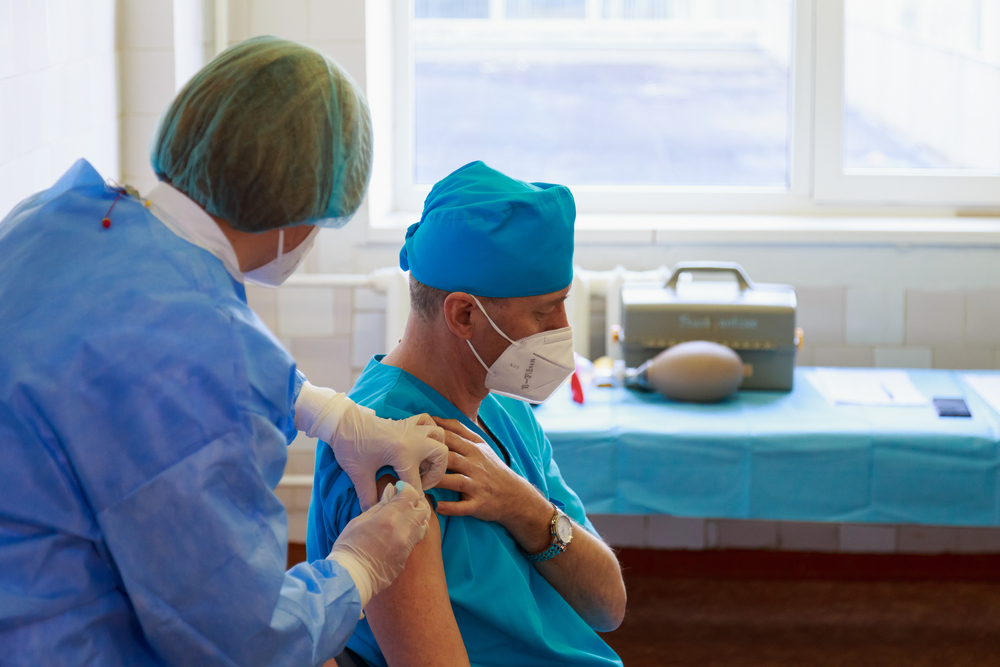
Yes, one of the main correlates of defense is antibodies. Sometimes their high level is enough. There is a certain threshold of antibodies at which it is extremely difficult for a person to become infected.
For example, for hepatitis A it is known that at a levelantibodies in the blood plasma of 10 international units per milliliter (10 mIU/mL) the disease is almost excluded. And this is a fairly low level - after vaccination against this disease, antibody levels are usually hundreds of times higher than this threshold. Scientists also established a protective level of antibodies, for example, when testing a vaccine against Lyme disease. It turned out that all those who received the vaccine but still got sick had antibody levels significantly lower than the average of 1,100 units. This means that the vaccine did not work in their case. By the way, the sick people did not differ in any significant way from the non-sick people. That is why scientists came to the conclusion that it is all about antibodies.
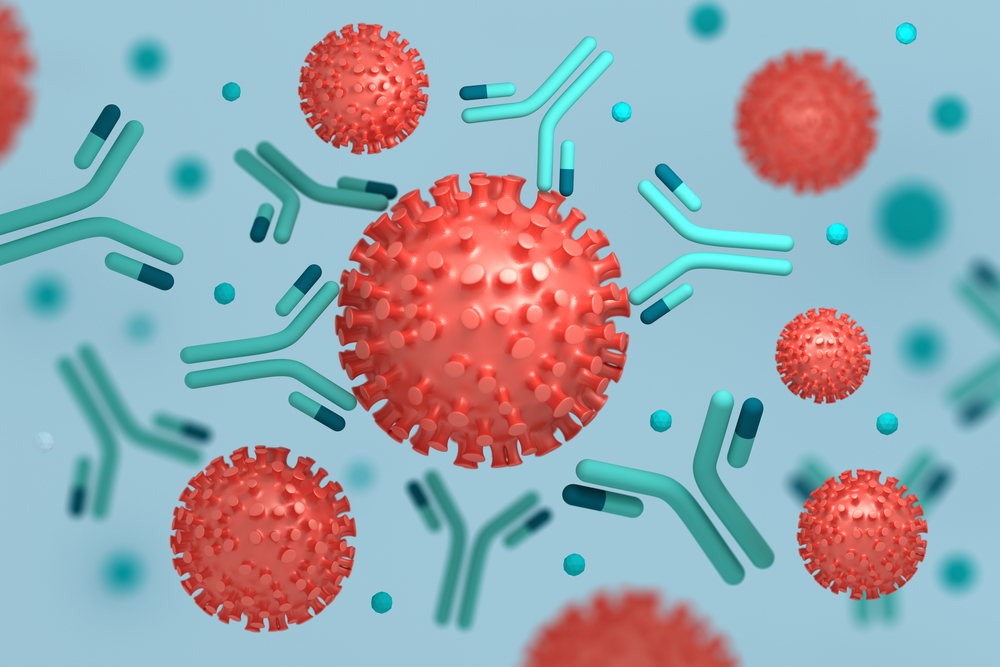
But how do scientists investigate the correlates in more detail?protection, the more difficult it is to say something unambiguous. Often, the total antibody level alone is not sufficient to predict the presence or absence of protection. For example, for influenza, it is considered that with a total antibody titer of 1:40 and above, the disease usually does not occur. However, antibodies against the virus can be of different types, they can be present in the blood or mucous membranes, and it is not always possible to guess which of them is "more important".
Just in the case of influenza, this difference between the types of antibodies has been shown to have a significant impact on morbidity.
What is important besides antibodies?
Also, in addition to such a correlate as the total number of antibodies, other factors also affect the fate of the disease:
- StateB cell memory, which store information about antibodies and produce them during repeated infection.
Memory B cells - activated B lymphocytes,re-entered the stage of small lymphocytes as a result of cooperation with T-cells. They are a long-lived clone of B cells that provide a fast immune response and the production of a large amount of immunoglobulins when the same antigen is re-administered. Called memory cells, as they allow the immune system to "remember" an antigen for many years after its termination. Memory B cells provide long-term immunity.
- T cells of different classesthat help or are directly involved in the destruction of virus-infected body cells.
For example, memory T cells are a populationT-lymphocytes that store information about previously active antigens and form a secondary immune response, which occurs in a shorter period of time than the primary immune response, since it bypasses the main stages of this process.
- Other components of immunity, including innate.
- The amount of viral particles that enter the body (for example, with polio).
In general, all this suggests that inIn immunology, unfortunately, there is no single and universal parameter, the measurement of which would be sufficient to predict whether a person currently has sufficient immunity to prevent the disease or not. Although for individual diseases (for example, the same hepatitis A), long-term observations allow us to make some reliable predictions about whether a person will get sick, but in general terms, for a new disease like COVID-19, this task has no solution.
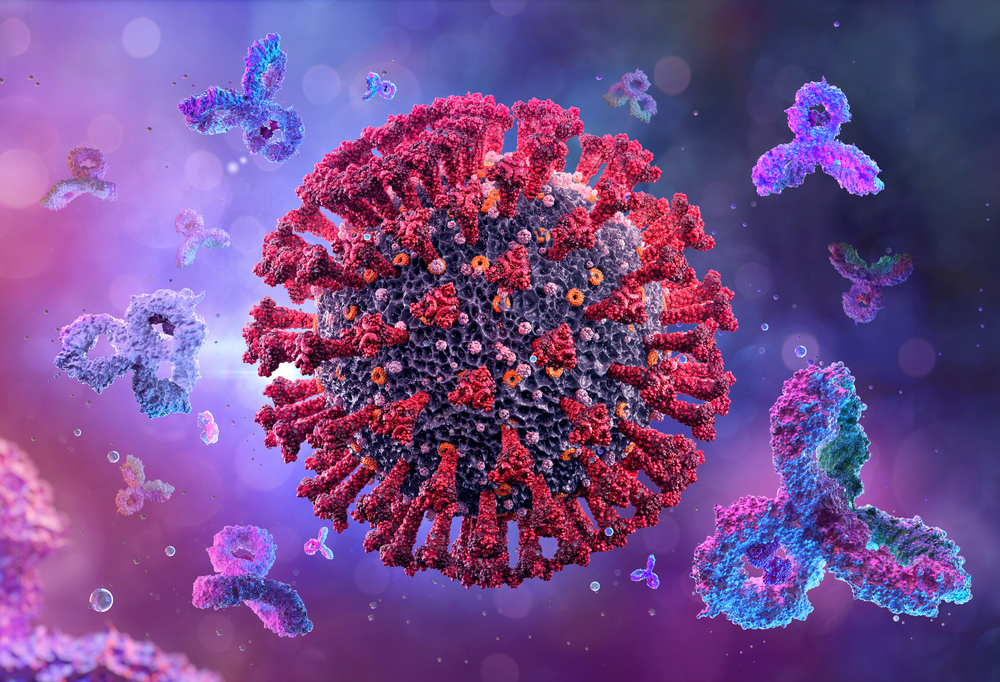
The most reliable data for the newinfections are data from vaccine efficacy trials. They, of course, do not give any information on each person separately, but they confirm that the chance of contracting coronavirus in vaccinated patients is several times lower than in unvaccinated patients.
How does vaccination prevent disease?
Memory B cells (as the name suggests) storememory of the organism against which the person is vaccinated. If you ever come across this organism, dormant memory cells will immediately recognize it and quickly begin to multiply and turn into plasma cells. Since plasma cells are already trained to make antibodies against the body, they are capable of producing large amounts of antibodies very quickly (within a few hours).
Antibodies attach to invading organismsand prevent them from attacking healthy cells. And because antibodies are produced so quickly, they are able to fight disease even before a person gets sick.
This accelerated and more intense immunethe response generated by memory B cells is known as a secondary response. It is faster and more efficient because all preparations for the attack were made during vaccination.
Several months came after the vaccination. What to do next?
From the moment the vaccination program began (inearly 2021) several months have passed. In addition, on April 28, Bloomberg, citing unofficial statistics, spoke about the third wave of coronavirus in Russia. Now the statistics are only getting worse - the number of cases continues to grow.
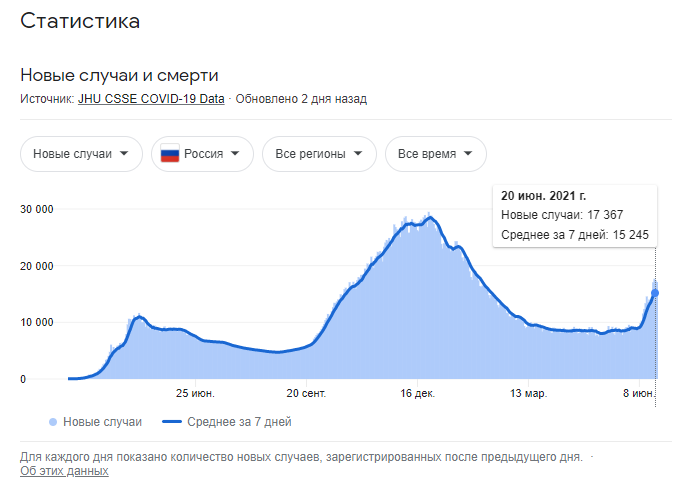 A source
It's time to think: isn't it time to get vaccinated again?
The best solution is to check your antibody levels(although this is not the only factor). If 3 to 6 months have passed since vaccination, you can do a blood test for antibodies to find out their number. If there are more than 100 of them, you can exhale (but still use personal protective equipment in public places). If it is less, this is a reason to contact your doctor and discuss further steps for revaccination. In the future, it is necessary to take an antibody test every 3-6 months.
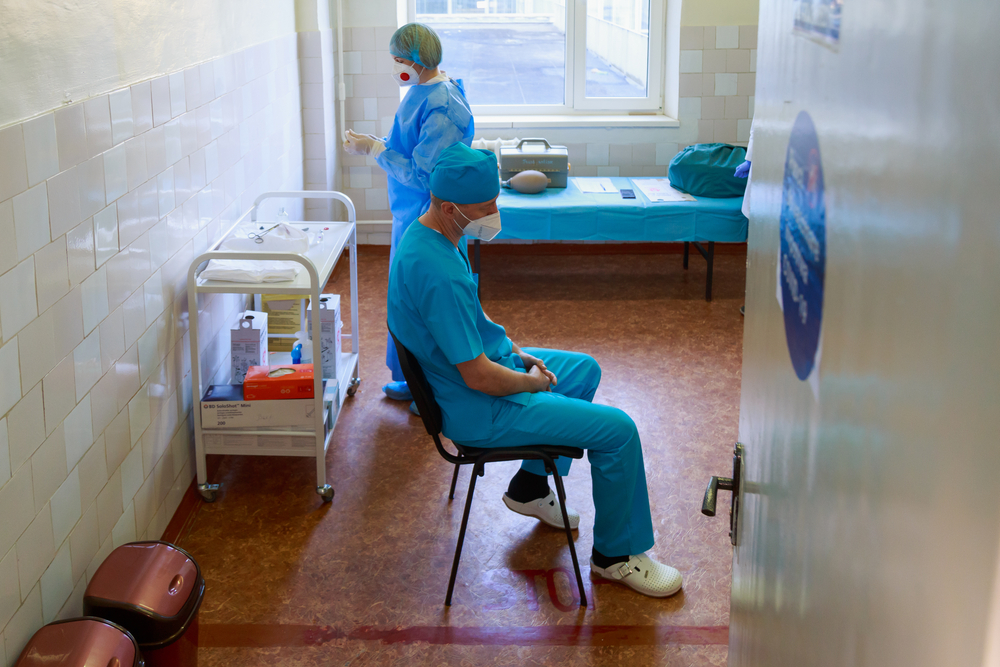
At the same time, in a patient with any antibody titerthe likelihood of getting sick with coronavirus again is extremely low, since any antibodies at any titer have protective properties. Immunologist Vladimir Bolibok told RBC about this.
“If a person after an illness had a low titerantibodies, and then they disappeared altogether, it can become infected. But, firstly, it is unlikely, and secondly, he will not be ill in a severe form, ”the specialist concluded.
Read more
The largest comet in history is seen in the solar system: it is almost a planet
New method instantly turns carbon into graphene or diamonds
Found an inexpensive way to save the centers of megacities from overheating
Antibody titer - limiting serum dilutionblood, in which antibodies can be detected. Allows to quantify the amount and variety of antibodies in human blood and the strength of the body's immune response that correlates with them.