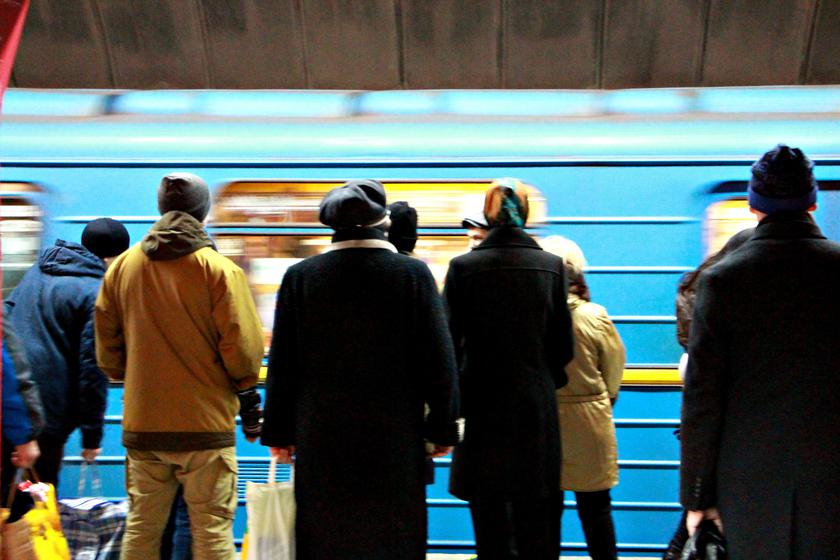
Launching a 4G network at one underground metro station in Kyiv looks like a rather ridiculous idea for a city with
From the point of view of the average person, it is not at all clear whyMobile Internet in the metro is limited to technologies from the last decade (EDGE), created long before the advent of YouTube and social networks and not implying, for example, video transmission for the mass consumer. Of course, the average person should not understand either technology or the background of the current situation, but this in no way interferes with the existence of a simple thought that irritates metro passengers every day: “Why the hell is my operator not able to give me normal Internet if it’s already 2020? » The fact that all operators are on equal terms and all do not provide such services at the same time, as a rule, does not mean anything to the consumer. He has his own, as it seems to him, special and deeply personal problem, which consists in a bad operator. The company employs slackers, parasites, greedy people, laymen who do not know about modern technical capabilities, and outright thieves who regularly steal money from his account. This is all the sorrow and pain of our consumer. Multiplied by the absence of attempts to figure out what’s going on. What is there to understand? And so everything has long been clear to everyone, isn’t it?
Therefore, launching 4G on one station (we do not chargenow taking into account ground stations, which, fortunately for residents of the left bank of the capital, are located near the Kyiv metro - they certainly still have connections) looks like a pure PR campaign. In fact, this is so, but for PR (and even more so for an idea that can bring all three operators to the barricades) this is a rather pale news feed. Because this is not about PR, but rather about politics. As in the case of the launch of 3G, which was delayed in our country by a good ten years, the essence of the problem lies in the lack of the necessary political will. Will giving appropriate permission to deploy such a network. Even the ancient Romans, who laid the foundations of modern jurisprudence, asked the question “cui prodest” (who benefits), which makes it easy to determine the culprit. If we were talking about some kind of backward African banana republic (with all due respect to the people of Africa and bananas), I would hypothetically imagine that the whole point is who is the beneficiary of this situation. This could be, for example, someone’s pocket company with a monopoly (due, of course, to historical circumstances) right of access to the infrastructure of such a sensitive enterprise of strategic importance (do you all remember that the metro is a huge bomb shelter in case of war?) what is the subway like? Someone, after all, is going to pay for the rental space for all the needed communications equipment? This is quite a lot of money and very easy from the point of view of modern business, which will last for a long time. But, thank God, we do not live in a banana republic, so we immediately dismiss such assumptions as obviously false.
The official stumbling block is the simplea political decision that should approve the amount of the same access fee for telecom operators and their contractor (which, by the way, has been known for a long time - Huawei became the company as a result of a decision in July 2019). This decision must be made by city council deputies at the next session, which will take place on March 12. Or not accept it (we have a free country, no one has the right to decide what deputies should vote for).
Therefore, in fact, the whole point of this “launch” that is not very clear to the layman is nothing more than pressure on the deputies, created entirely by legal methods of civil society.
It is the desire to use the availablePR tools and attracting media attention forced operators to join forces and go to this joint (and a little shameful for its scale) event. The previous time in my memory something similar in scope happened, we observed the opening by President Yanukovych of an overpass on Moskovskaya Square. This is just the scale of the president and a serious state project - the opening of a transport interchange in the capital (in fact, several such interchanges need to be launched a year in the capital alone, and this is not the business of the head of state, but of local government).
What will happen under the optimistic scenario?developments? In this case, operators officially promise to deploy 4G… at 8 stations of the Kyiv metro by the end of the first half of 2020 and by the end of this year to cover the entire metropolitan metro with a 4G network. The plan does not look very fast, but here it is worth remembering again that we are talking about a sensitive facility, access to the infrastructure of which is limited to only a few hours a day, and late at night. This is what makes the process slow. For those who, for some reason, are not familiar with Captain Obvious, we can add that there will be no separate fee for using 4G in the metro. Everything will be charged at normal user rates. I would not have mentioned this if I had not regularly faced such questions in life (sometimes it even becomes scary that we breathe the same air as people asking such questions in 2020, but we cannot remove the words from the song).
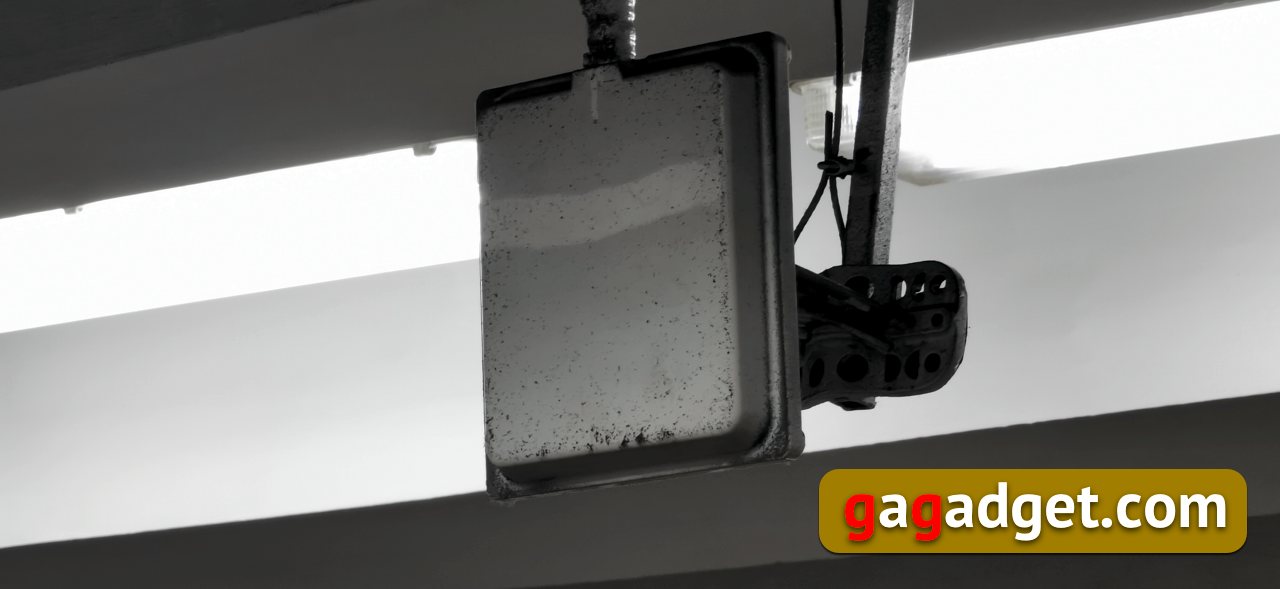
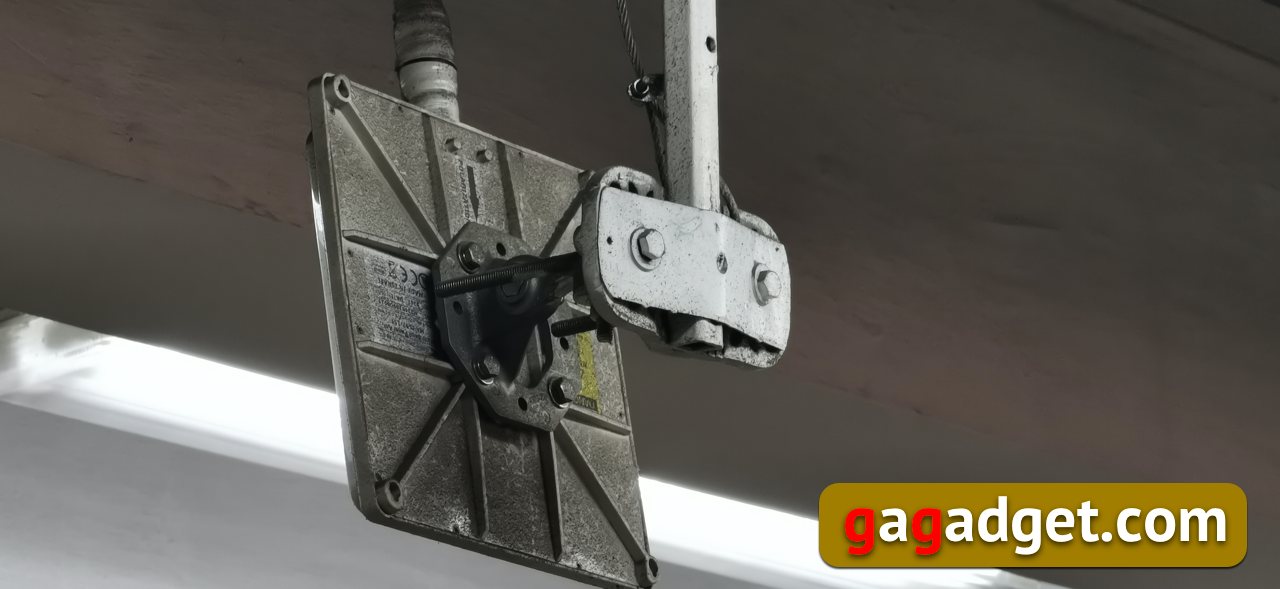
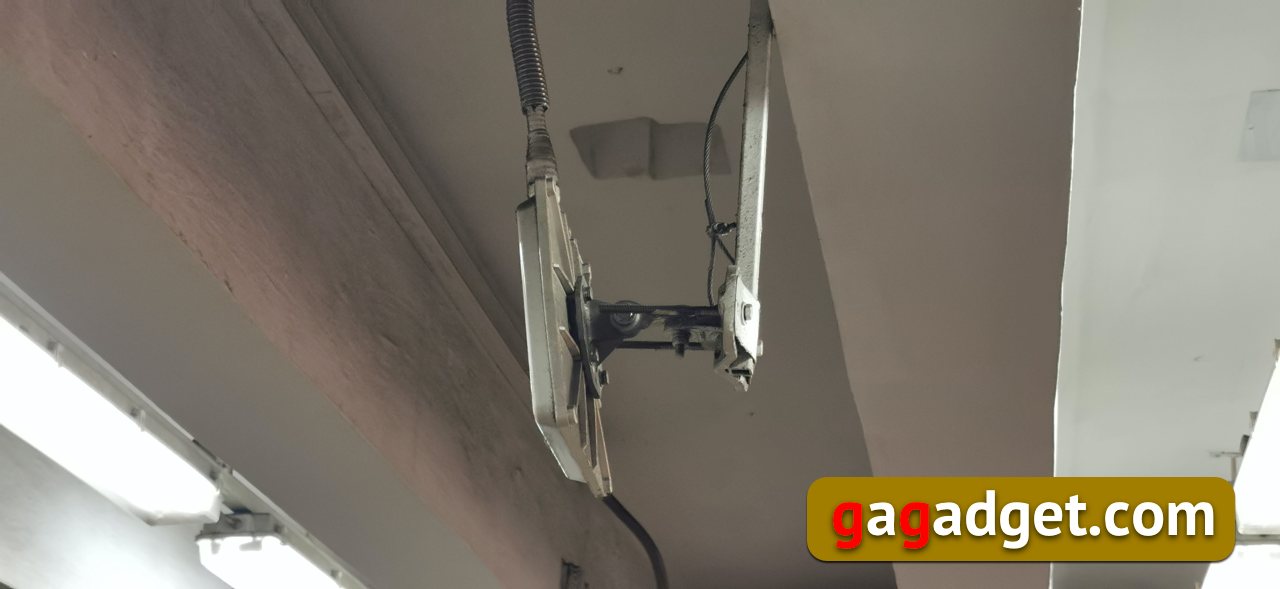
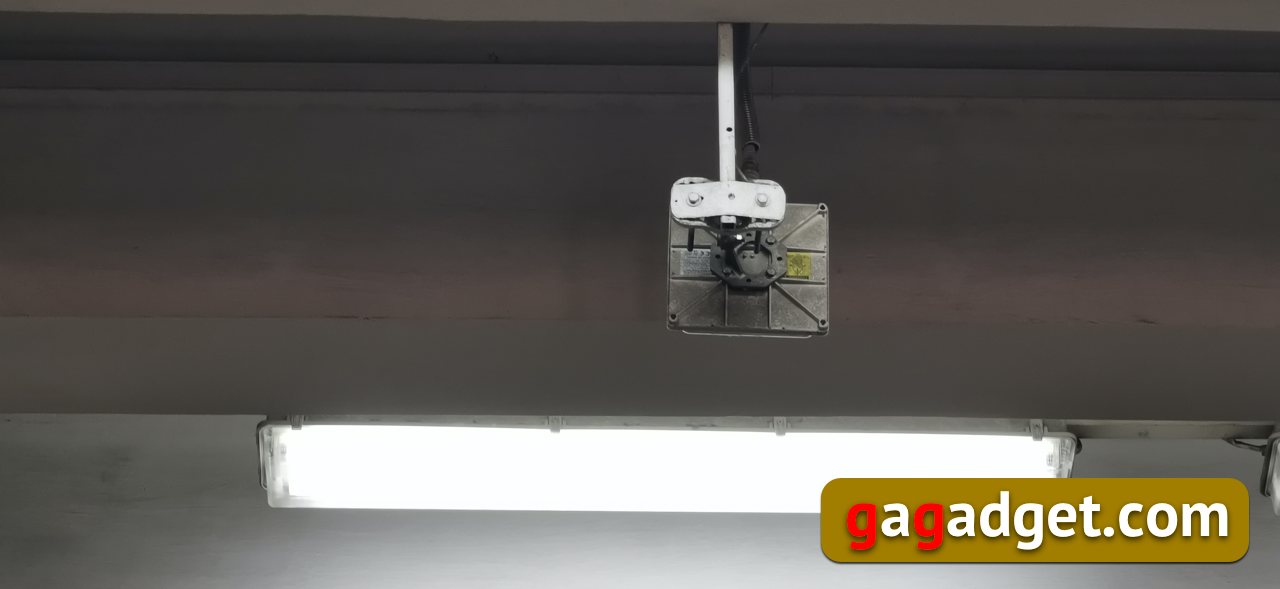
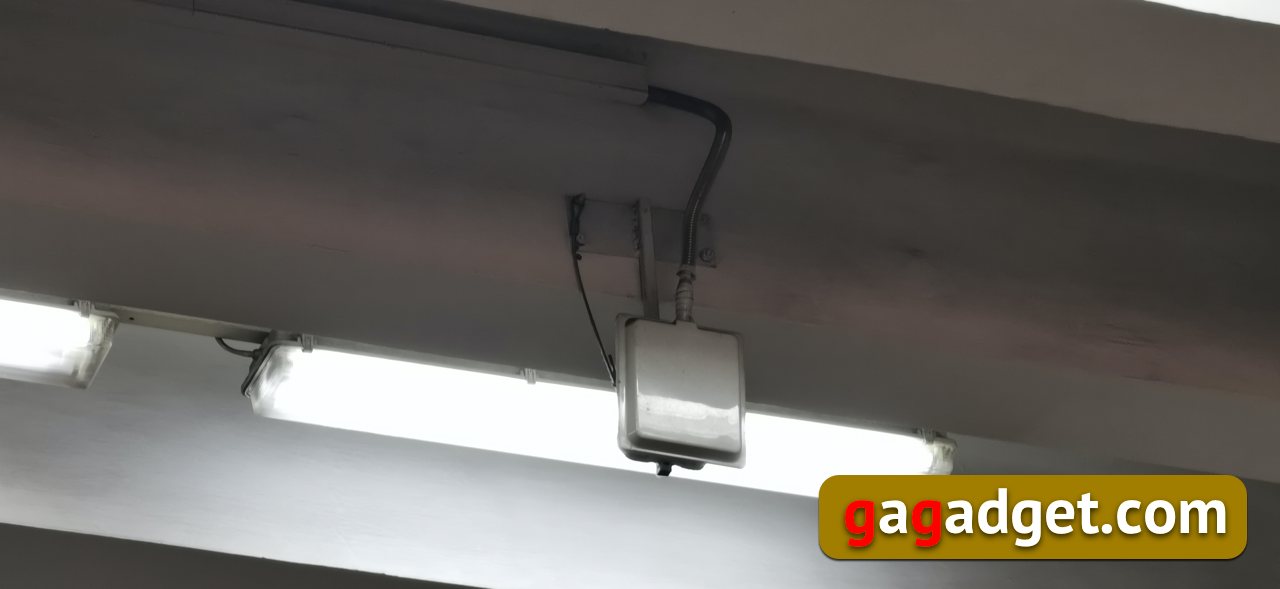
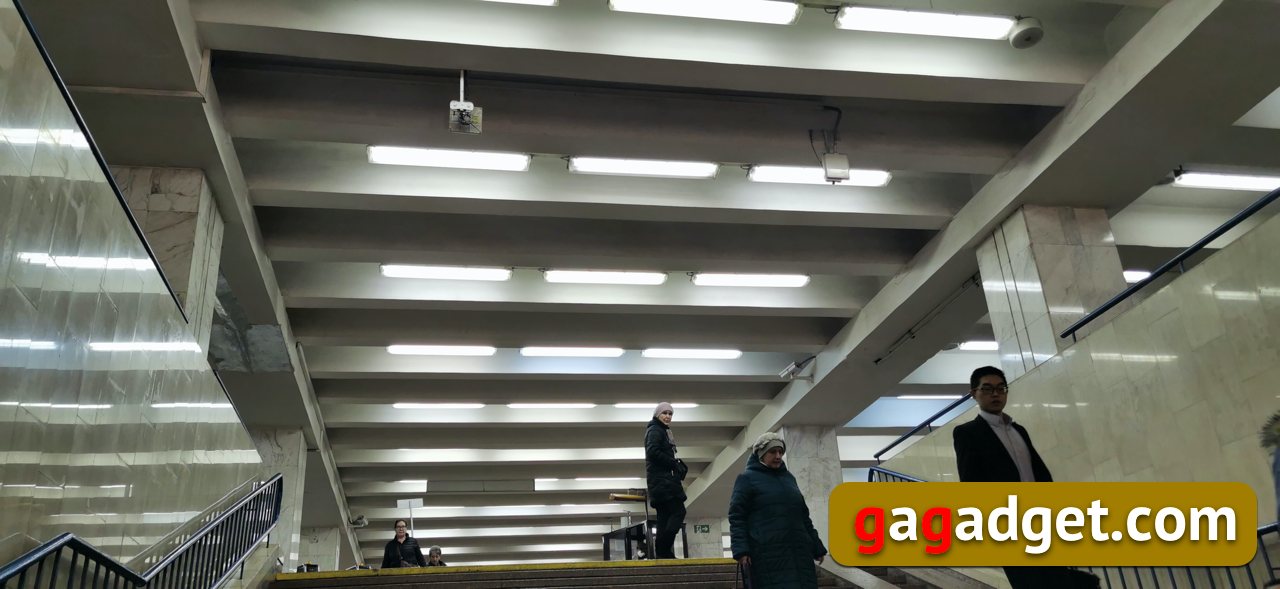
How does 4G work in the metro?This is the question that should really be of interest to our most inquisitive readers in the world. In fact, the data is transmitted through the same passive antennas (you can see how they look in the pictures below, but in general they can be seen by everyone who enters the station if they look up in front of the steps) installed at the stations now. Only now they (except for the Akademgorodok station, where, in fact, they launched the 4G network) are working in EDGE, and 4G requires additional equipment. Which is installed in the utility rooms of the station. They were not shown (although it would certainly have been interesting), because the goals were different - the problems, as I already said, lie in the plane of politics, not technology.
</ img>
</ img>
</ img>
</ img>
</ img>
</ img>






What questions would actually be interesting to get an answer:
- What does the infrastructure of mobile Internet at stations and in tunnels look like?
- What equipment is used for this (and how much)
- How traffic is distributed between all subscribers of the three operators
- What peak loads can such equipment withstand (how many connections, what volumes of transmitted data)
- Which parties and companies are involved in the process of organizing mobile Internet in addition to the three operators and the equipment supplier. And what are their roles and expertise
Getting answers to all these questions, I'm afraid, is extremely difficult.difficult. The operators will nod at the contractor (all the big shots fall on them, and not on the equipment manufacturer, and especially not on the metro administration; no one will think about politicians at all, but they really don’t decide anything here, they only collect money from consumers). The contractor hides behind the interests of the client and a signed non-disclosure agreement (the interests of clients come first - this is normal practice). The Metropolitan will hide behind its strategic status as a sensitive facility and in some ways it will also be right, of course. But now you know what really happened and why.