Anomalies in the distribution of hydrogen in the Ockathorne crater of the dwarf planet Ceres indicateAbout availability
Evidence obtained from detector datagamma rays and neutrons (GRaND) aboard NASA's Dawn spacecraft. A detailed map of the hydrogen concentration in the vicinity of Occator was obtained from observations in elliptical orbits, which allowed the spacecraft to get very close to the surface during the final phase of the mission.
The GRaND neutron spectrometer has detected an increasedthe concentration of hydrogen in the uppermost layer of the surface of Occator, a young crater 92 km in diameter. The article claims that excess hydrogen is in the form of ice. The results confirm that the outer crust of Ceres is ice-rich and that ice can persist in impact discharges on airless ice bodies.
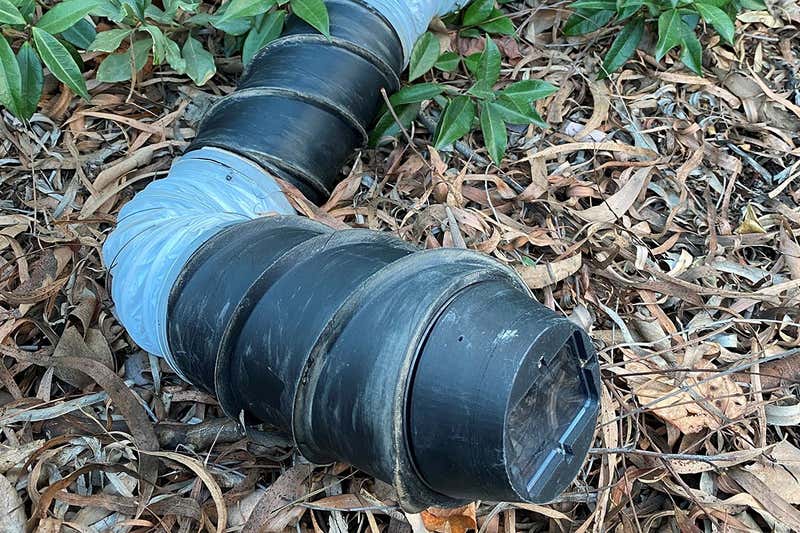
A robot snake will be sent to Saturn's moon
“We believe that the ice was preserved in shallowsubsoil for about 20 million years after the formation of Occator. The similarities between the global distribution of hydrogen and the structure of large craters suggest that impact processes brought ice to the surface elsewhere in Ceres. This process is accompanied by the loss of ice as a result of heating the surface by sunlight, ”the researchers noted.
Scientists suggest that the blow, as a resultof which Occator was formed, carried out the materials from a depth of up to 10 km. Thus, the observed increase in the concentration of hydrogen in the crater and ejected matter confirms the theory of scientists that the crust of a celestial body is covered with ice.
Read more
Unknown virus genetic material found in human DNA
NASA's plan to search for life on the satellite of Saturn has been published
Wild ticks will be specially released in Russia for pest control