US researchers have discovered new clues about a curious fossil site in Nevada, Cemetery.
The researchers identified the fossils byat least 37 ichthyosaurs scattered throughout the area, which are about 230 million years old. The bones were preserved in different layers of rocks, so scientists believe that the creatures could have died hundreds of thousands of years apart, and not at the same time.
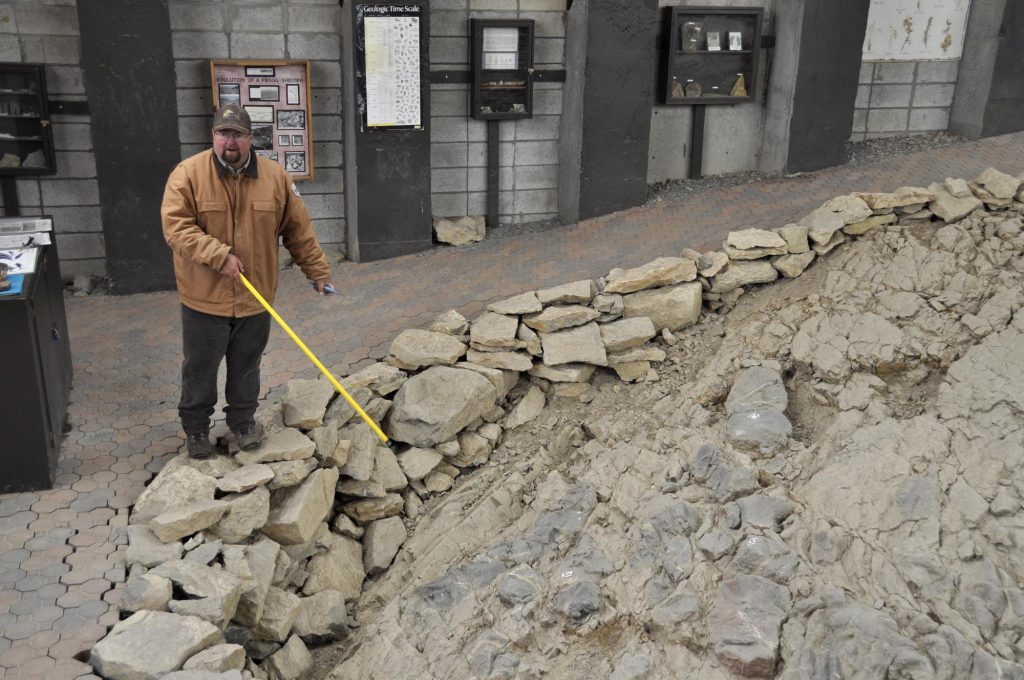 Fossils of an ancient predator in the Berlin Ichthyosaur Park. Image: Berlin-Ichthyosaur State Park
During a new study of the ancientFossils palaeontologists spotted a few tiny bones among the massive adult remains. The analysis showed that they belong to embryos and newborns. Scientists are sure that the creatures were sent to the place in groups for protection during childbirth, like modern sea giants (for example, whales). Paleontologists believe that the fossils belonged to mothers and children who died in this place over the years.
Additional support for this hypothesis is provided bythe fact that the researchers found no evidence of volcanic eruptions or significant environmental changes when testing for chemical content in materials surrounding the fossils. In addition, a geological study showed that the reptiles died on the ocean floor quite far from the coast. These findings refute two alternative theories - a massive catastrophe and the beaching of animals.
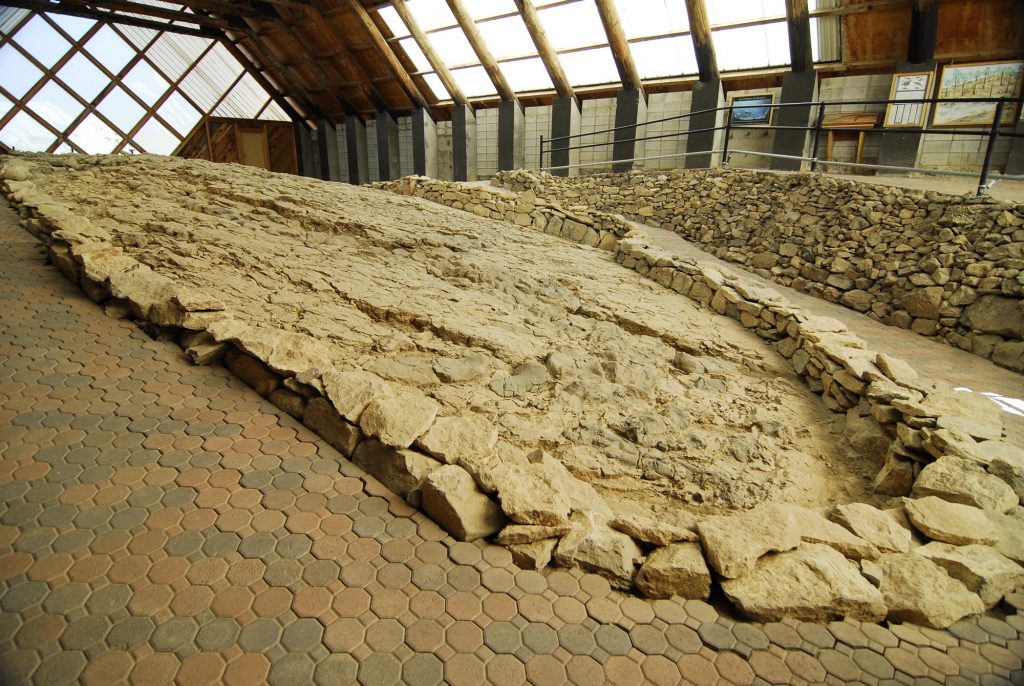 Fossils of an ancient predator in the Berlin Ichthyosaur Park. Image: Berlin-Ichthyosaur State Park
The "graveyard" of ichthyosaurs has long attracted attentionresearchers. When the remains were first discovered in Nevada in the 1950s, many paleontologists believed that all of these creatures died at the same time. The area that is part of the Berlin Ichthyosaurus Park in Nevada was a tropical sea in the late Triassic period. In previous studies, scientists believed that climate change or the composition of sea water could have influenced the mass extinction of ancient reptiles. A new study rejects this theory.
Read more:
17-year-old engineer came up with a magnetless motor: it can be used in electric vehicles
Published test video of the world's first propeller with 11 blades
It turned out how old the water we drink today
Cover image: Pyotr Menshikov, CC BY-SA 4.0, via Wikimedia Commons