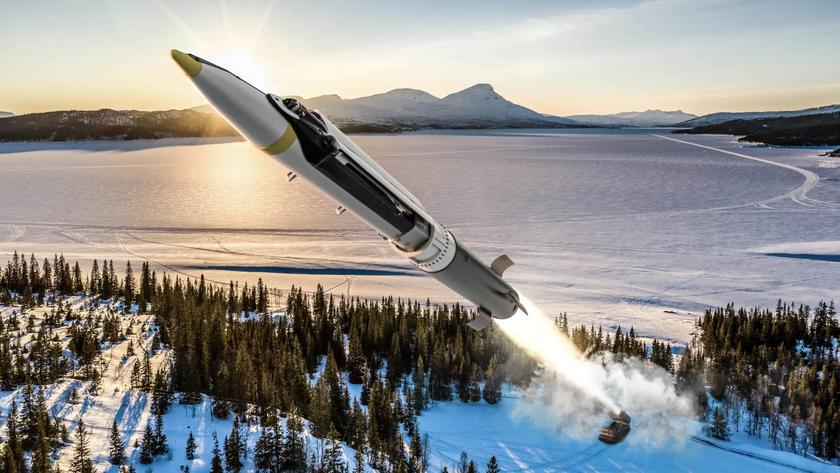
The Armed Forces of Ukraine may receive a high-precision Ground-Launched Small Diameter Bomb (GLSDB) system next year.This is
What is known
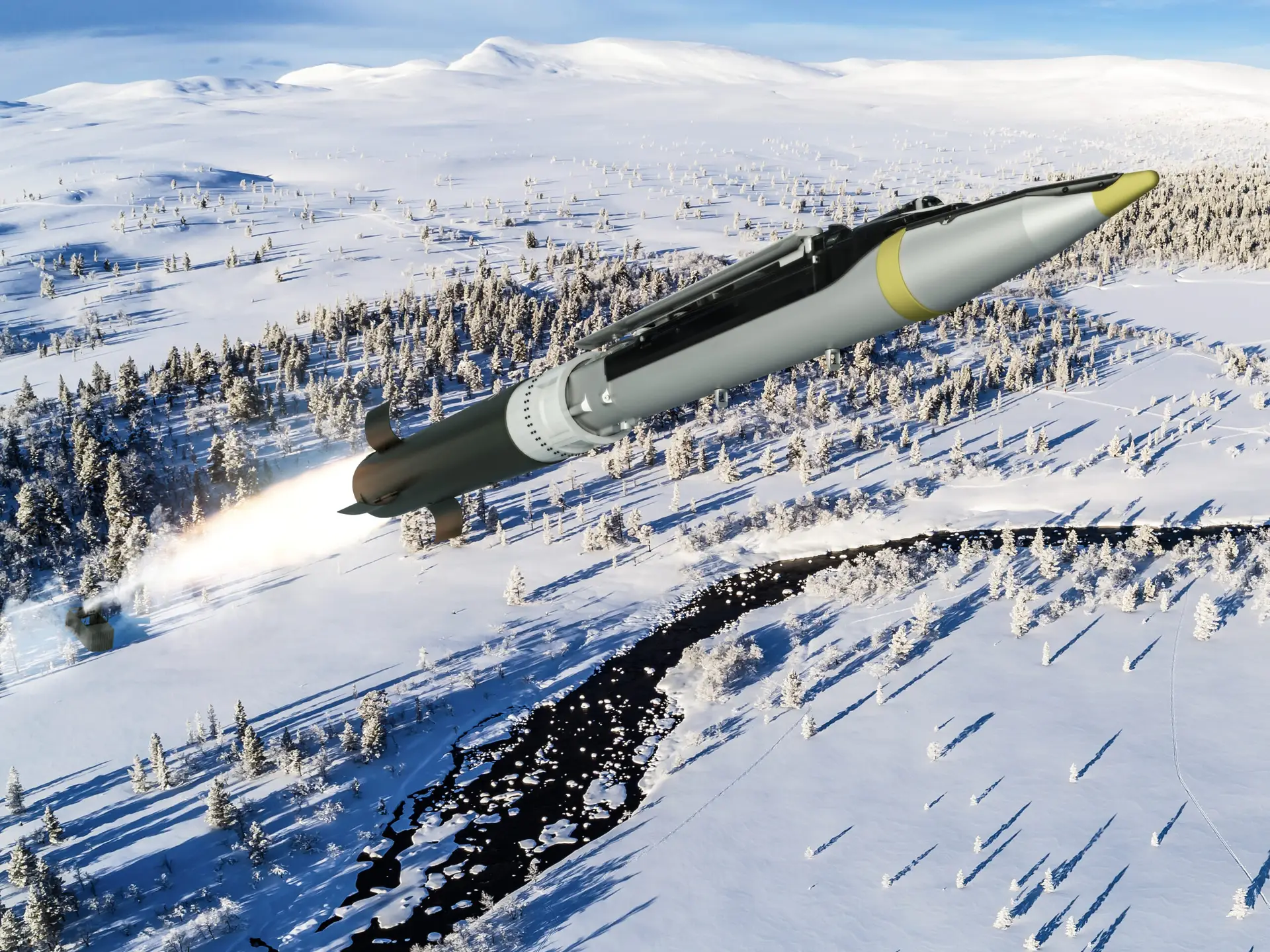
GLSDB will be able to significantly increase the possibilitiesof the Armed Forces of Ukraine, as it will allow delivering high-precision strikes against military targets far behind the front line. The launch range is 150 km. For comparison, the GSMLR shells for the M142 HIMARS and various variants of the M270 MLRS can hit 80 km. By the way, GLSDB is also compatible with M142 and M270, which also plays into the hands of Ukraine.
</ img>
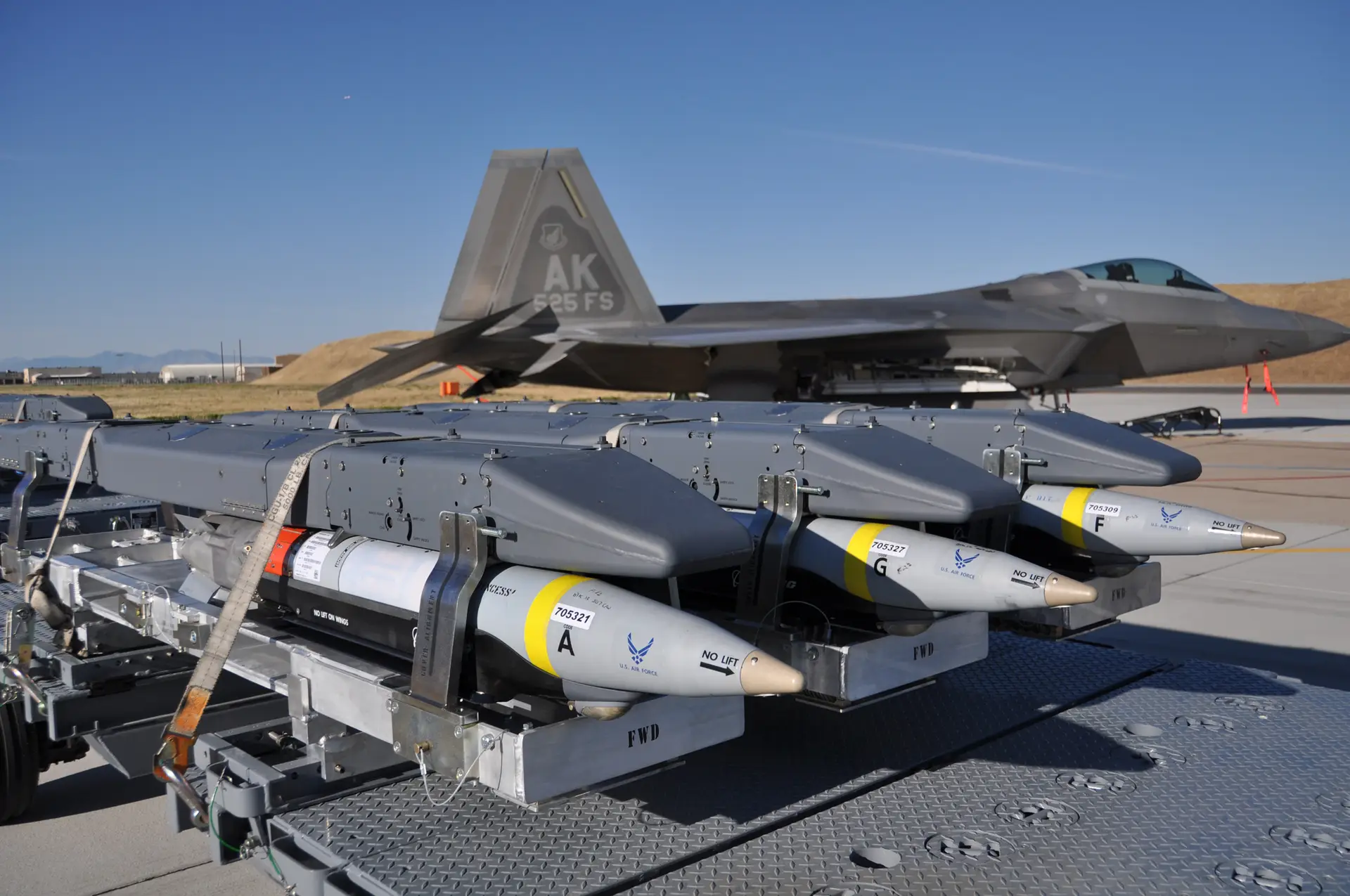
Reuters wrote that with the initiative to transferIn Ukraine, the new ammunition was made by the American concern Boeing, which is the manufacturer of GLSDB together with the Swedish company SAAB. This means that Sweden must also approve the transfer of shells to Ukraine. But most likely there will be no problems.
</ img>
Each GLSDB projectile is a combination ofan M26 unguided rocket and a GBU-39/B SDB aircraft guided bomb which weighs approximately 115 kg (250 pounds). The GLSDB is propelled by the M26 rocket motor and then the GBU-39/B moves towards the target using the built-in GPS paired with an inertial navigation system.
Yli 150km kantaman omaava maasta laukaistava#GLSDB-täsmäammus pystyy muuttamaan suuntaa lennon aikana. Sillä voi siis iskeä myös maaleihin, joihin perinteisillä epäsuoran tulen asejärjestelmillä ei pystytä vaikuttamaan. Lue lisää: https://t.co/8b9tvJySbh #turpo #puolustus @Saab pic.twitter.com/F2vuY26Zgn
— Saab Finland (@SaabFI) November 28, 2022
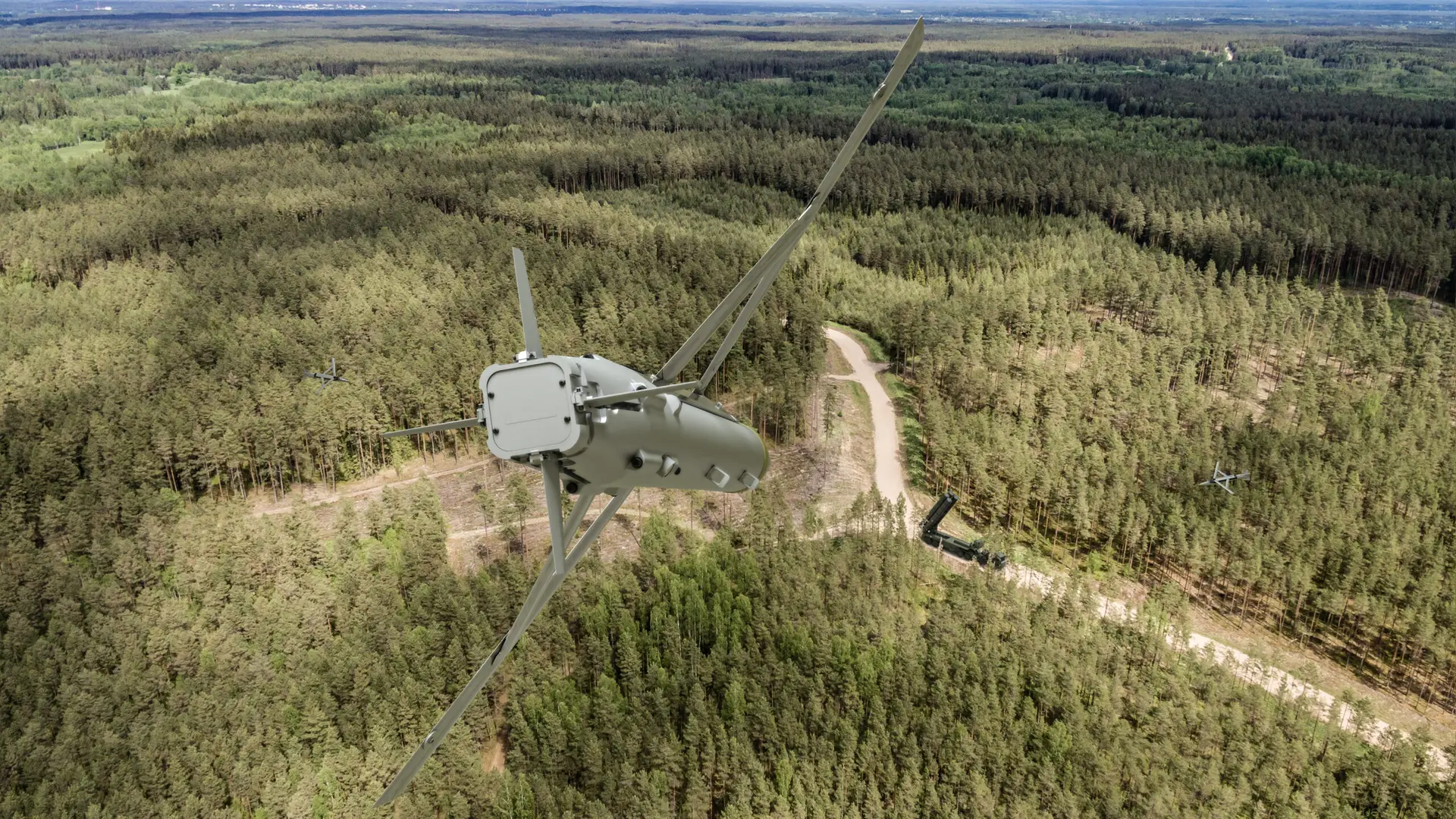
The advantage of the projectile is its very high accuracy.and resistance to enemy electronic warfare. Therefore, GLSDB will be a very relevant decision in the war between Ukraine and Russia. According to SAAB, the deviation from the target is less than 1 meter (3 ft). The Boeing and SAAB projectile has enough firepower to destroy a range of targets, from soft-skinned vehicles to hardened bunkers (you get the idea).
</ img>
It is worth emphasizing that GLSDB does not move onballistic trajectory. This means that the bomb can hit targets from different angles. SAAB says that GLSDB can be launched from "hidden and protected positions" to reduce the chance of detection.
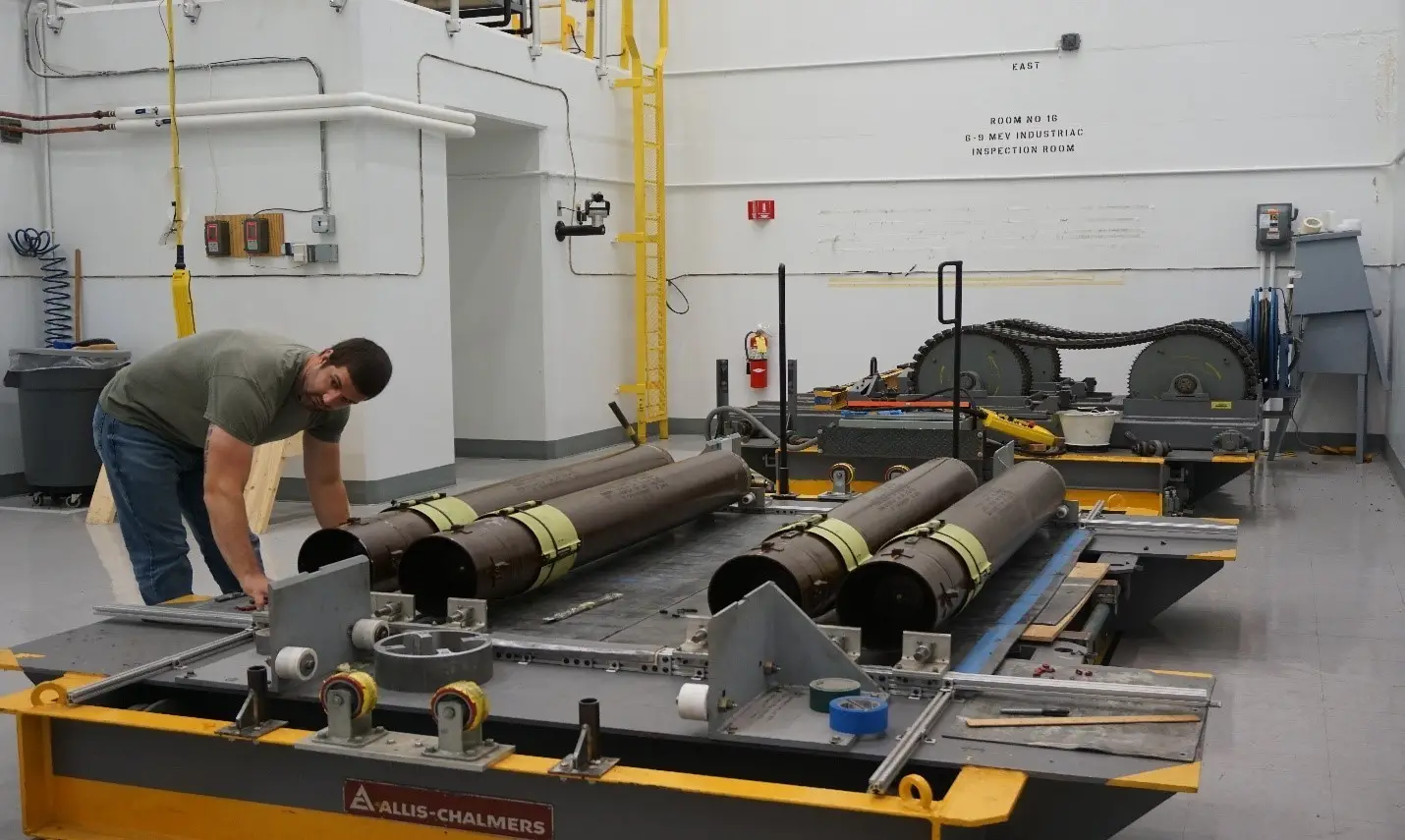
The cost of the ammunition is unknown and most likely weWe won’t know it soon, since we are talking about a new development and it is unlikely that the Pentagon will want to disclose this information. The only thing that can be said here is that the price of the GBU-39/B SDB bomb is $40,000. The GMLRS missiles for the M142 HIMARS and M270 MLRS cost between $100,000 and $150,000, i.e. one full salvo from the M270 costs approximately $1.2-1.8 million. In the case of the M142, it is half that price.
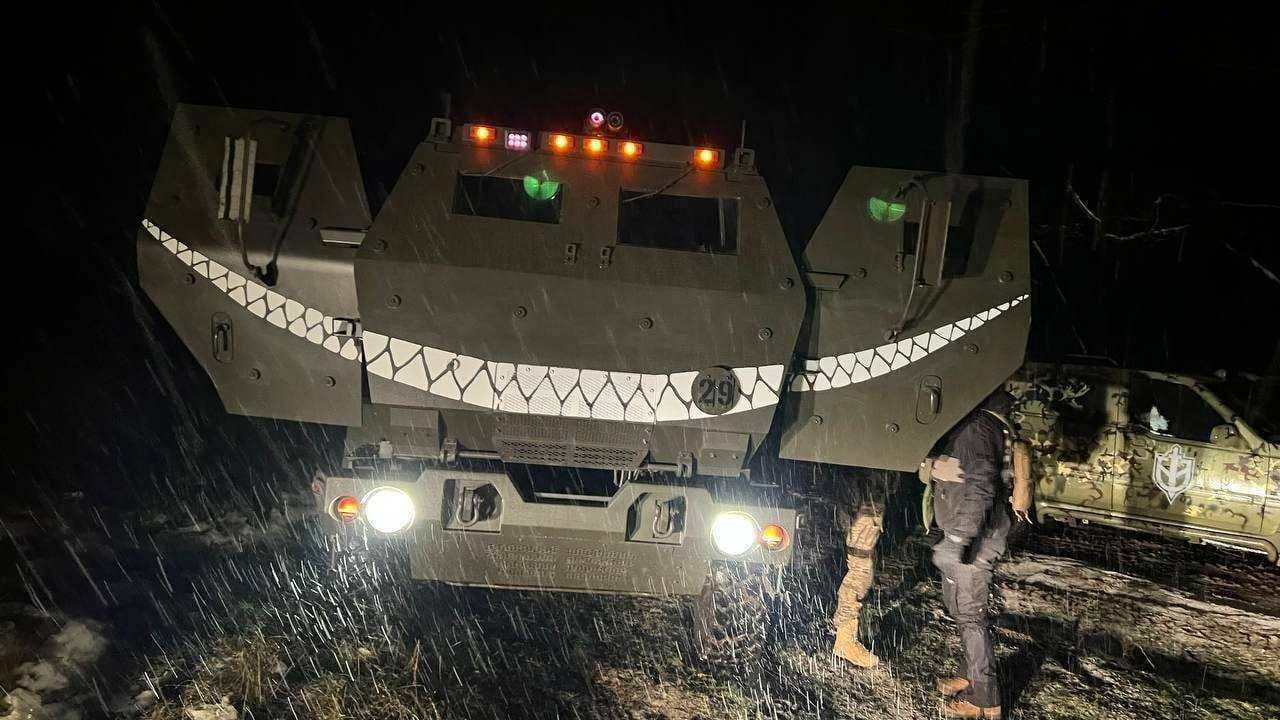
All parties will benefit from the transfer of GLSDB to Ukraine.Except Russia. The Armed Forces of Ukraine will receive high-precision projectiles that will allow them to hit enemy military targets for more than 100 km. Moreover, the Armed Forces of Ukraine already have experience with the M142 and M270. The fact that Boeing and the US Department of Defense already have established contacts in terms of ensuring fast deliveries for the Armed Forces of Ukraine also plays into the hands of Ukraine. Yes, we are talking about Harpoon rockets. Although this is not officially confirmed.
</ img>
The United States will be able to actually see what it isrepresents a new development of Boeing and SAAB, which did not participate in hostilities. Also for the United States, this is another reason to postpone the supply of ATACMS tactical ballistic missiles with a range of about 300 km.
An American and a Swedish company will be able toshow off new shells in a real war and attract potential buyers. For example, the Baltic countries, which are actively strengthening their defense capability, or Poland.
</ img>
The main question is whetherBoeing to produce GLSDB in the volumes required by the Armed Forces of Ukraine. Although it is already possible to say with great confidence that it will not be able to, since many shells will be needed, and Reuters is already writing about the “low pace” of supplies. However, even small batches of GLSDB can help Ukraine in its offensive/counter-offensive next spring.