A new phase-contrast tomography (HiP-CT) scanner scans blood vessels as small as five microns.For
With this X-ray system, scientistswere able to find out the reason for the lack of oxygen in the blood in people infected with coronavirus. Having scanned the patient's lungs, they saw how the virus blocks the connection between the capillaries that saturate the blood with oxygen and the vessels that deliver blood to the organs. According to the researchers themselves, previously there was only an assumption that COVID-19 causes disturbances in the transport of O2 through the body, but now it has been confirmed.
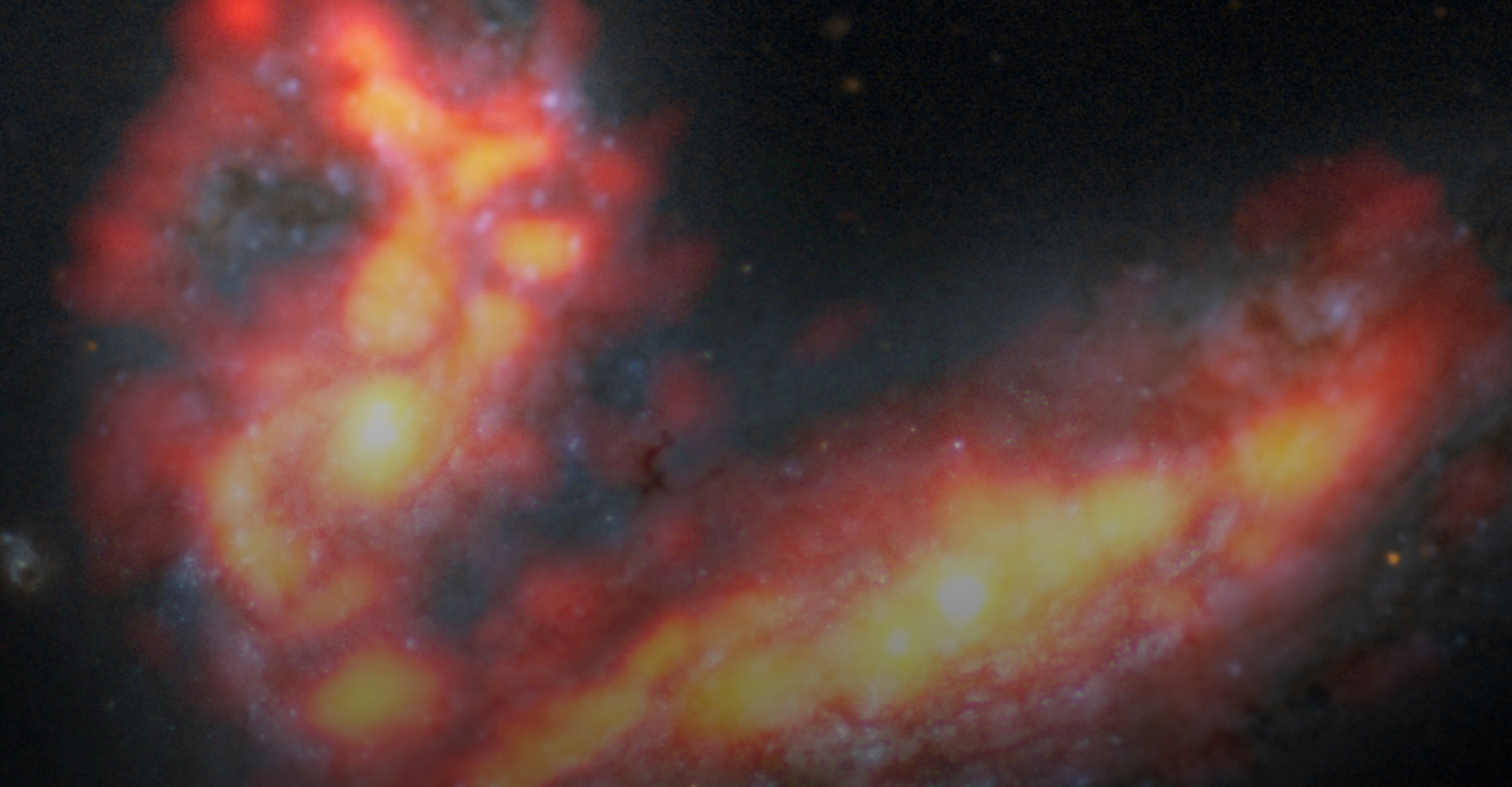
Astronomers have found out what prevents the birth of new stars in galaxies and killstheir
According to the paleontologist and chief scientist atESRF Paul Tafforo, the creation of the new tomograph involved several other technologies that are used to study fossils. Thanks to this, he and his team were able to improve the sensitivity of the scanner. In his opinion, this will help to make images of organs, tissues and blood vessels at the cellular level.
Scientists are going to use X-rayspictures in order to compile an atlas of human organs. For now, it will contain the brain, heart, kidneys, as well as healthy lungs and lungs of a person who died from COVID-19. According to the researchers, the atlas will be publicly available to both physicians and the interested public.
Read more
A huge "black hole" was found in the middle of the Pacific Ocean. The network is wondering what it is
Large reserves of organic matter were again discovered on Mars. Scientists are looking for traces of life
Divers have found the treasures of the legendary "Island of Gold". Artifacts cost millions of dollars