A new floating city in South Korea will be protected by flooding as well as be on full
Busan City Authority in the Republic of Korea,UN-Habitat (United Nations Human Settlements Program) and OCEANIX signed a landmark agreement to build the world's first prototype floating city with a sustainable economy. It is planned that such a settlement will not be threatened by rising sea levels.
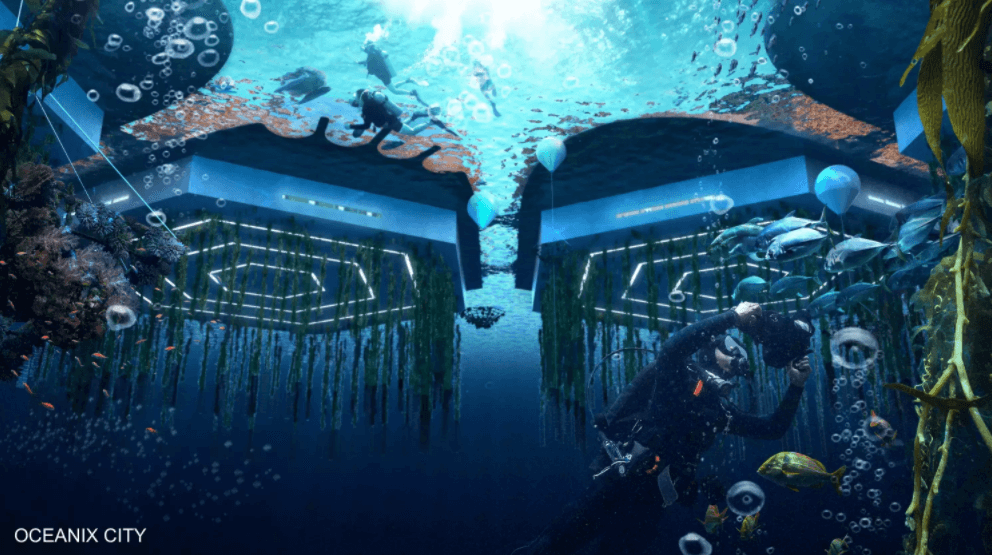 OCEANIX
As we know, coastal cities are more threatened by climate change than others.In the future, floods will lead to the destruction of urban infrastructure, which will forceToday, two out of five people in the world livewithin 100 km of the coast, and 90% of megacities around the world are vulnerable to sea level rise.
The floating city is conceived as a flood-protected infrastructure that producesOwn food, energy and fresh water with fully integrated, zero-waste closed-loop systems."Sustainable floating cities are part of the arsenal of climate change adaptation strategies available to us.Instead of fighting water, let's learn to live in harmony with it.Busan is an ideal choice to deploy a prototype of a fundamentally new city," said the executive directorUN-HabitatMaimunah Mohd Sharif. Like many coastal cities, Busan is threatened byAt the same time, the UN noted the technological development of South Korea - the country is ready to implement a complex project.
The OCEANIX Floating City is essentially a set of hexagonal platforms located on the water.
Hexagons are widely considered to be one of the most effective architectural forms: they allowbuilders to save both space and materials.
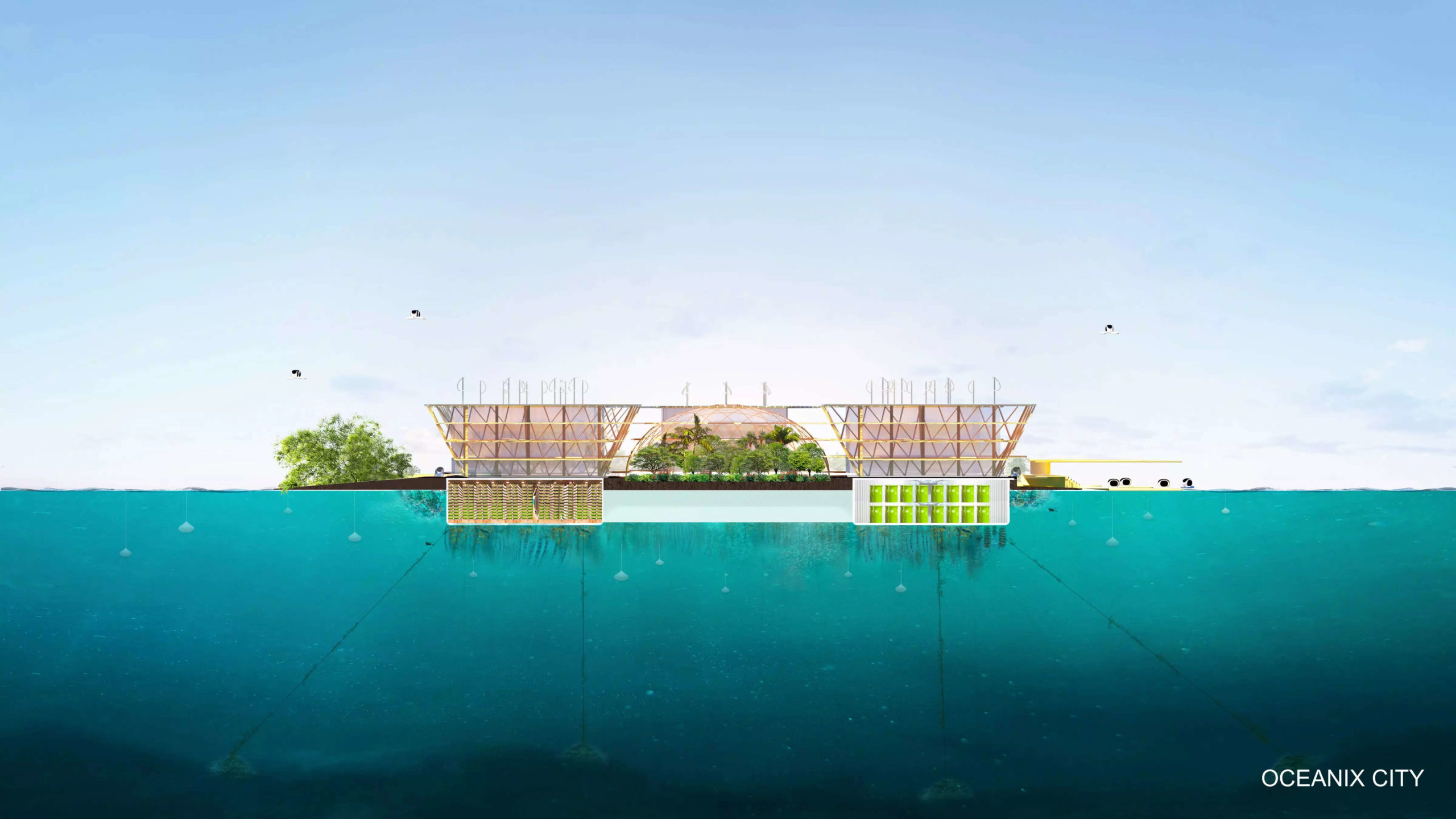 OCEANIX
The city's platforms will be reinforced with limestone pavement, two to three times harder than concrete, but still buoyant.This material is created by exposing underwater minerals to an electric current.Over time, it becomes stronger and can be restored.The design of the city has not yet been approved - OCEANIX has not yet decided on the size of the city.The preliminary cost of the project is about $200 million, the construction itself will last about three years.
Read more
Space exploration can cause humans to contract extraterrestrial viruses
Biologists have created a bacterium that destroys the protective shell of cancer cells
"The Last Hero": These missions will no longer return to Earth, but continue to transmit information
OCEANIX is a technology company founded by Itai Madamombe and Mark Collins Chen in 2018. Designs and builds floating cities.
United Nations ProgramHuman Settlements (UN-Habitat) promotes sustainable human settlements development through advocacy, policy-making, capacity-building, knowledge generation and strengthening partnerships between governments and civil society.