When defendant Kyle Rittenhouse took the stand, answering questions about the sequence of events,
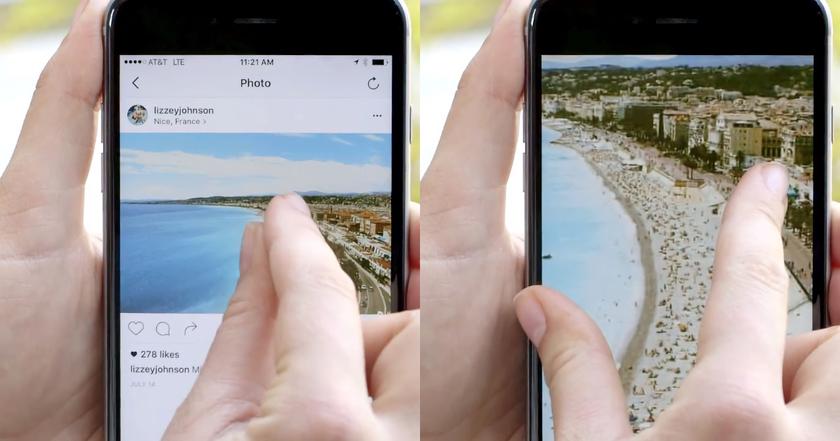
“Apple's iPad has artificial intelligence that lets you view things through three dimensions and logarithms.“, – the defense insisted. “They use artificial intelligence or their logarithms to create what they think is happening.. So it's not really an enhanced video, it's Apple's iPad software creating what it thinks it is, not what it actually is.
Although it is unclear from the full video of the trial,whether or not the judge specifically prohibited the prosecution from using an iOS device or otherwise enlarging the footage, the result was the same: Instead of an iPad, jurors watched the original, smaller clips on a Windows computer connected to a large TV in the courtroom. The images did not fill the entire TV screen.
Judge Schroeder argued that it was the prosecution, andnot a defense, bears the burden of proving that Apple does not use artificial intelligence to manipulate video footage. He demanded that they provide an expert to testify, but did not allow the prosecution to take an adequate break to find such an expert. The judge suggested that prosecutors could somehow find such an expert in 20 minutes. Of course, the prosecution failed to do this.
This case clearly demonstrates how vulnerablethere may be adequate and sane people with the standard baggage of modern technical knowledge in the face of an illiterate person, but exposed by the power. And even under the conditions of case law, such antics should not be permissible in principle, since the consequences of a court verdict can be completely unpredictable.
Six criminal charges have been brought against Rittenhouse in connection with the Kenosha shooting. He is charged with the murder of two people.
Source: appleinsider
Illustrations: petapixel
</ p>