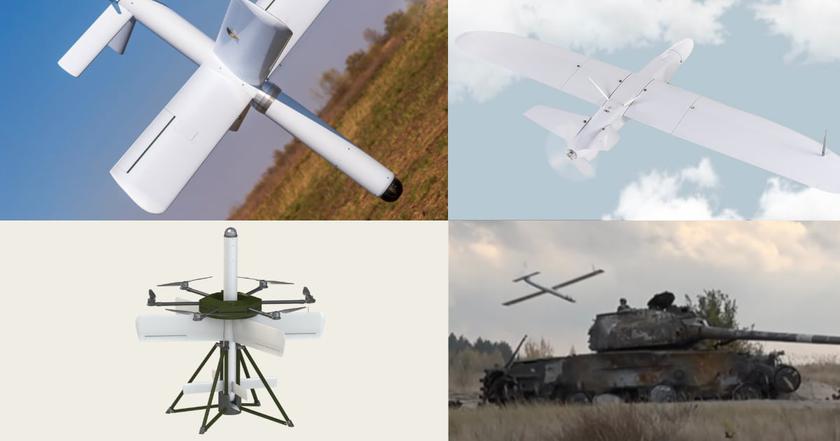
The appearance on the battlefield of such weapons as loitering munitions significantly draws the line
A bit of history
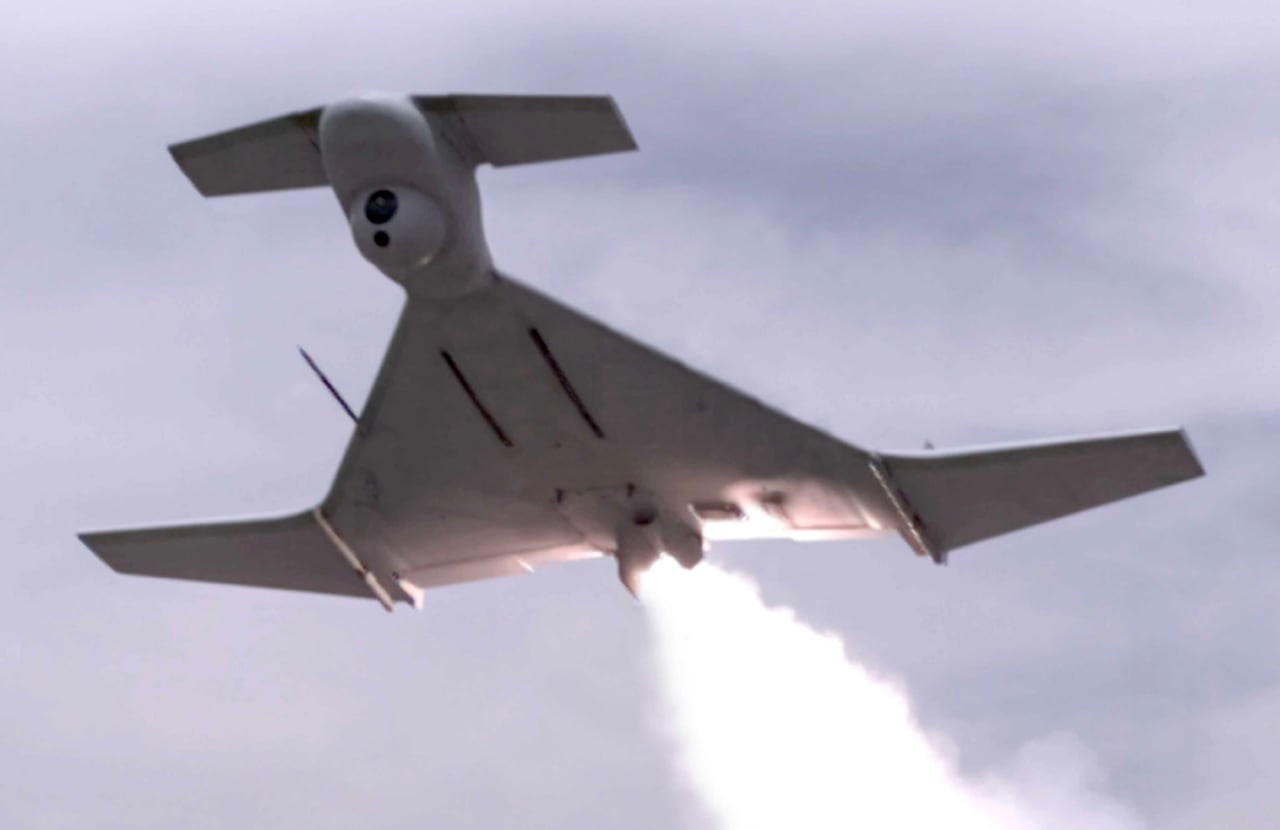
The media likes simpler and punchier terms andheadlines, so the label “kamikaze drone” was quickly attached to this class of weapons (in English the term “suicide drones” also took root). Technically, a loitering munition is more of a missile than a drone; whether it is classified as an unmanned aerial vehicle or not is still an open question. For example, no one would even think of classifying the M982 Excalibur guided precision projectile as a UAV, although it is clearly a close relative of loitering munitions. On the other hand, the Israeli Harop is definitely a reconnaissance and strike UAV with a standard function of returning to base after completing a flight mission. For him, turning into a kamikaze is more an exception in his work than the rule. And its first combat use was recorded in 2016 in Karabakh, that is, 7 years after the start of production.
</ img>
Israeli strike and reconnaissance UAV Harop manufactured by Israel Aircraft Industries, a pioneer among loitering munitions
Of course, today kamikaze drones are notweapons that can turn the tide of war, but they have undoubted advantages: the difficulty of detecting (and therefore eliminating) by the enemy, the safety of use for the operator (he can be at a distance of a dozen (or even tens) of kilometers from the place of impact. You can’t discount and the psychological factor in the very threat of the use of such weapons to the adversary, a weapon against which there is no protection and which can deliver a surprise strike at any time. ammunition in Ukraine and abroad” (translated by the Focus website) characterizes this type of weapon as follows:
“If a small group of infantrymen in factduplicates artillerymen, this poses a danger to enemy forces in more protected or safe areas of the battlefield. Long-range strikes can be launched from anywhere and disrupt operations throughout the theater of operations, detecting and destroying objects such as fuel depots, supply convoys and headquarters.
RAM: Ukrainian ram
The history of this loitering munitionbegan in 2015, when the company KORT (Company of Defense Radioelectronic Technologies) was founded. The English version of its name is CDET - Company of Defense and Electronics Technologies. It was created by volunteers who provided the Ukrainian Armed Forces with intellectual developments. The company’s declared goal is “to provide the Armed Forces of Ukraine with modern weapons to increase the defense capability of our state.” Among the company's projects are the Khmara and Khmara-3 counter-UAV systems, as well as anti-cumulative screens for armored vehicles and modernization of the BTR-60.
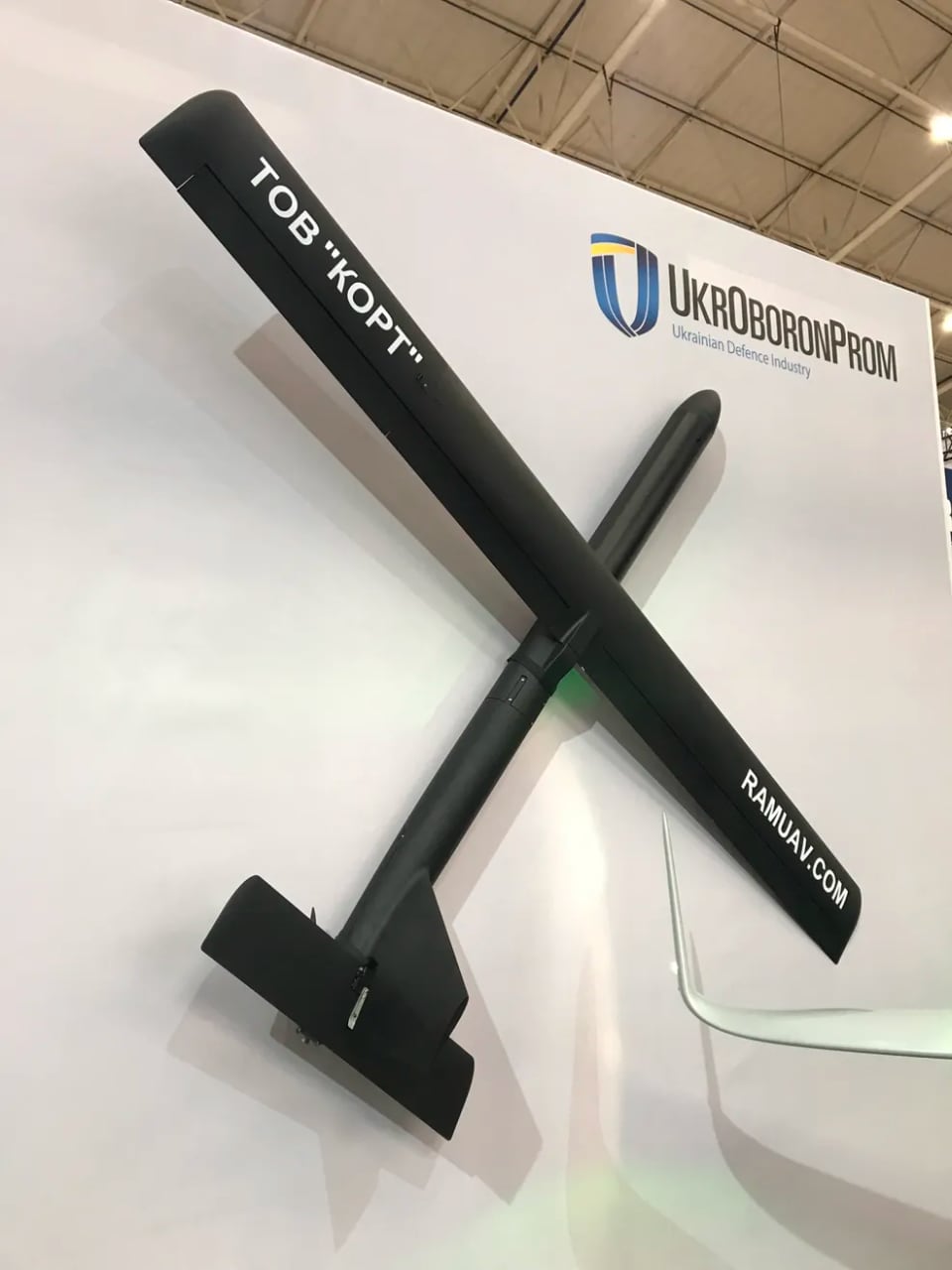
At the exhibition “Zbroya and Bezpeka” in 2019, at the stand of Ukroboronprom, the company demonstrated its first sample of loitering ammunition called RAM (translated from English as “ram”).
</ img>
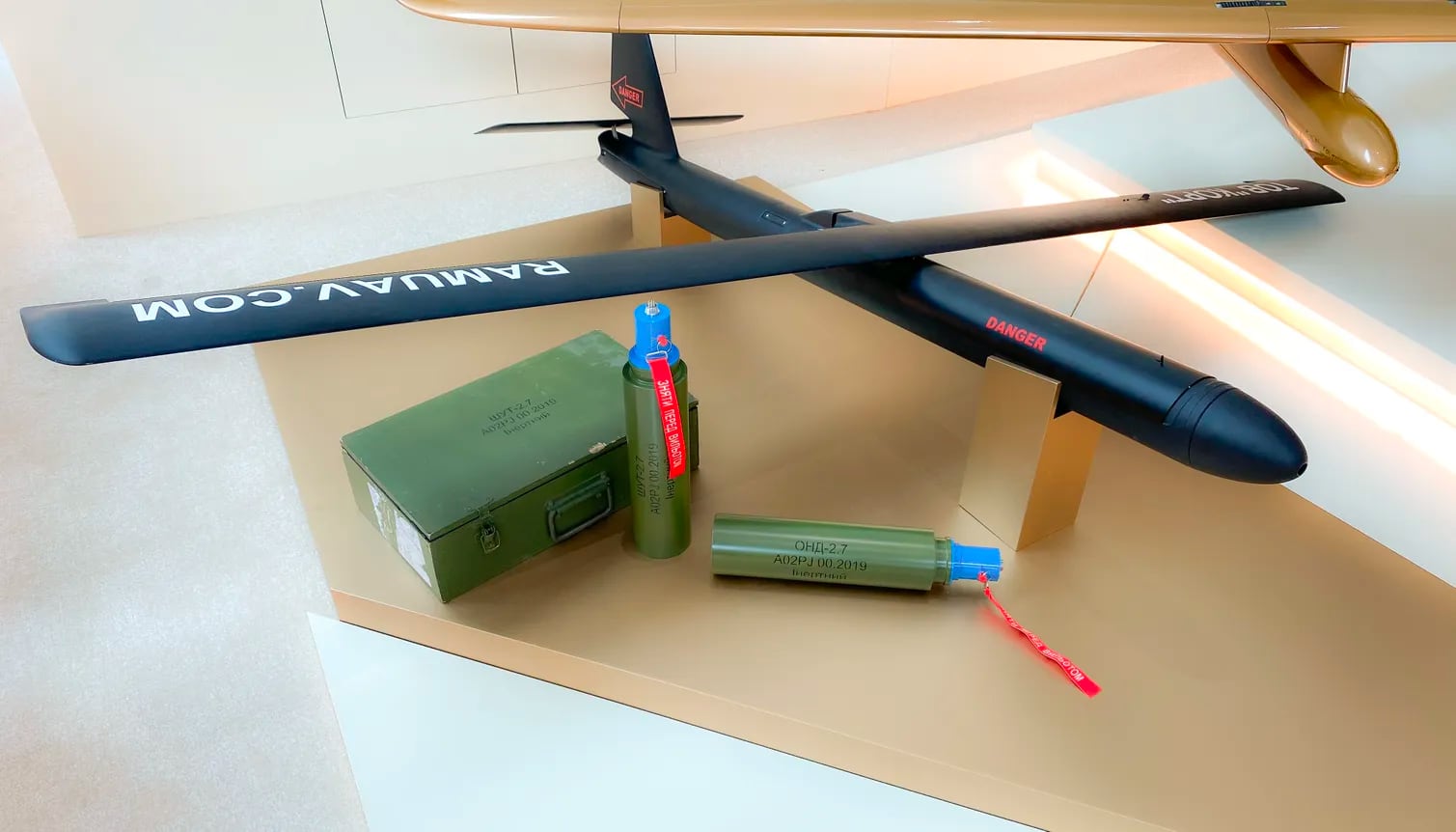
In 2020, RAM was officially introducedat the international exhibition UMEX 2020 in Abu Dhabi (UAE), entirely dedicated to unmanned systems, at the stand of the Ukrainian company Spetstechnoexport, which exports Ukrainian-made weapons. RAM was announced as an unmanned system with a flight time of 30 to 150 minutes, a range of up to 30 km, a maximum speed of 50 km/h and a probable deviation from the target of no more than 1 meter and can hit moving targets. This allowed the manufacturer to say that RAM can be used in urban environments with “minimum possible collateral damage.” The ammunition can be equipped with three types of warheads weighing from 2.5 kg (flight time is 60 minutes) to 4 kg (flight time is up to 30 minutes): high-explosive fragmentation, thermobaric and armor-piercing. The first is equipped with 150 striking elements with a destruction area of 45 square meters and is intended for attacks on infantry and lightly armored vehicles. Thermobaric ammunition is capable of hitting field structures with an area of up to 15 square meters. The anti-tank combat head has an armor-piercing power of 40 mm.
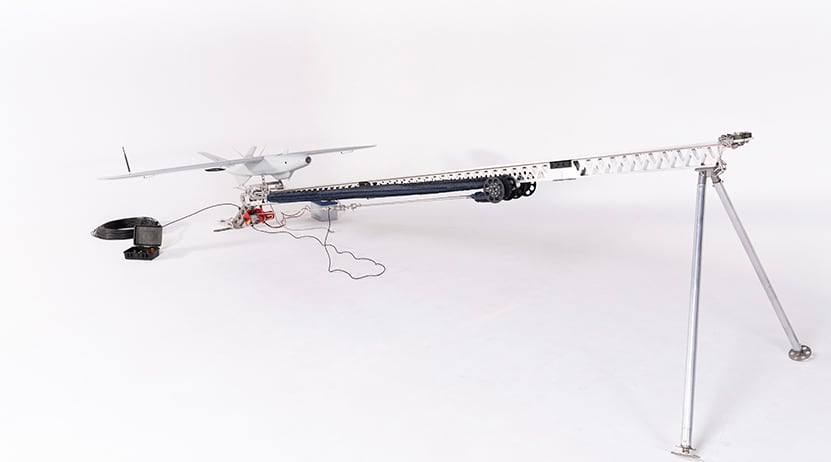
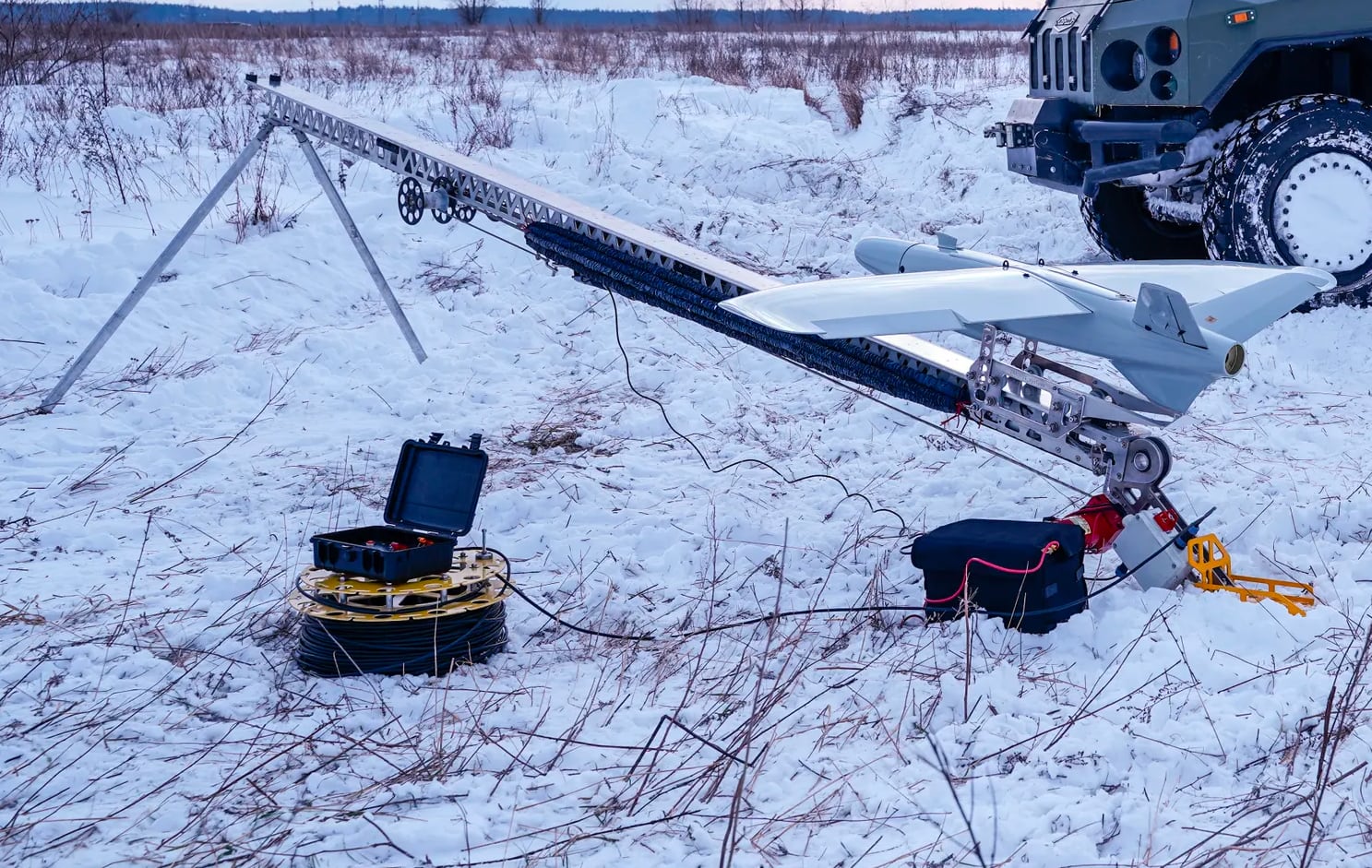
In reconnaissance configuration, RAM is capable ofincreased flight time up to 150 minutes. The wingspan is 2 meters 30 centimeters, the fuselage length is 1 meter 78 centimeters, and the take-off weight, depending on the configuration, ranges from 8 to 10 kilograms. The launch is carried out using a catapult, the RAM deployment time is 10 minutes.
</ img>
Back in 2018, ammunition was tested with the defeat of a standing tank. How many prototypes were produced is unknown, at what stage the development of RAM is also impossible to determine.
RAM II generation
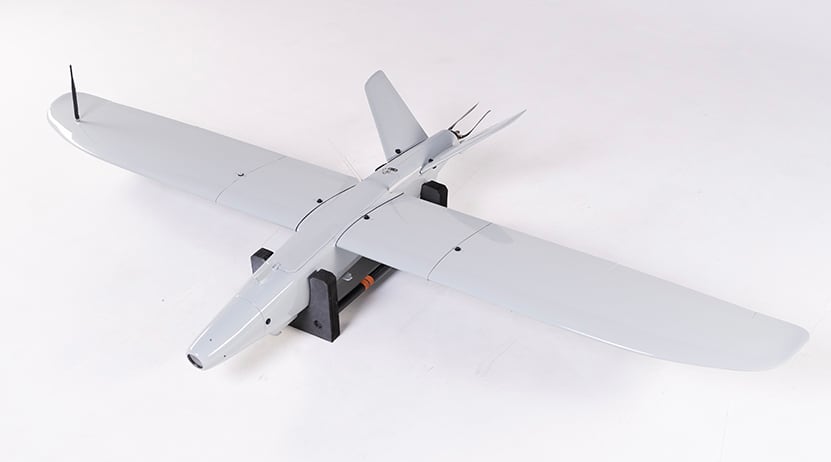
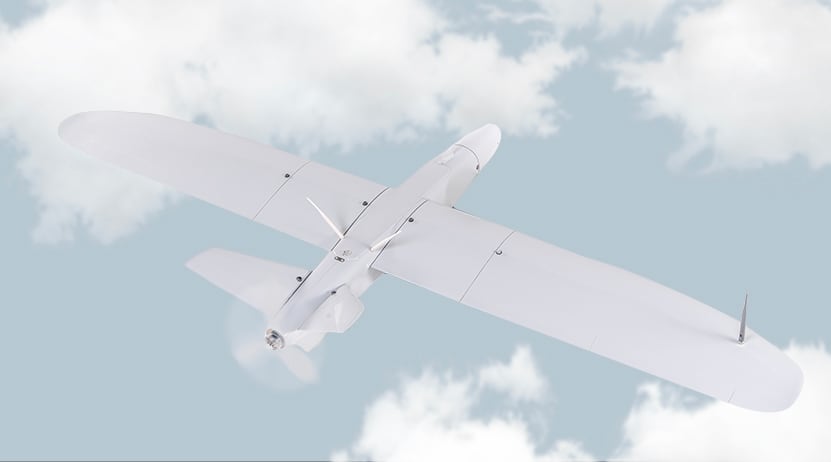
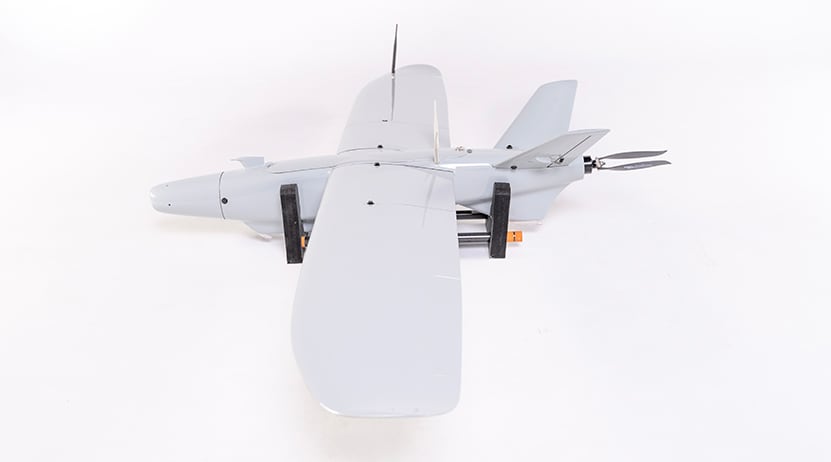
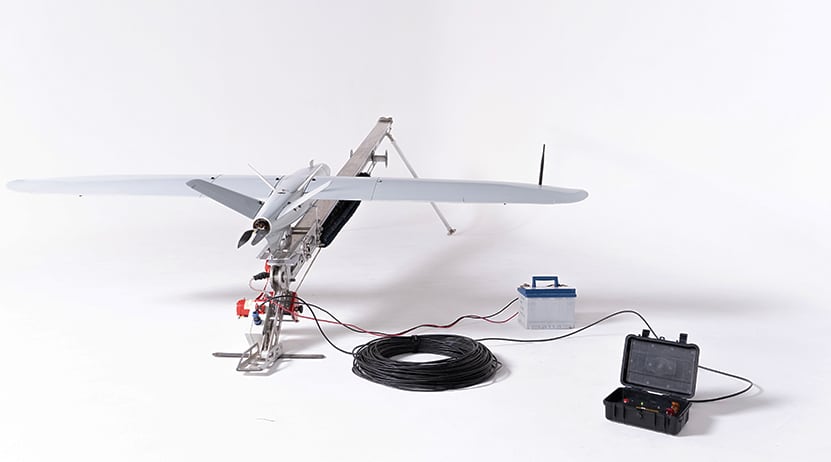
All this did not prevent the company from launchingdevelopment of the second generation of its loitering ammunition, called RAM II. Information about it is on the website of Ukrspetsexport, which is part of the Ukroboronprom concern, which indicates that this kamikaze drone is offered for export.
</ img>
</ img>
</ img>
</ img>
</ img>
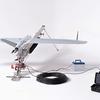
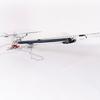
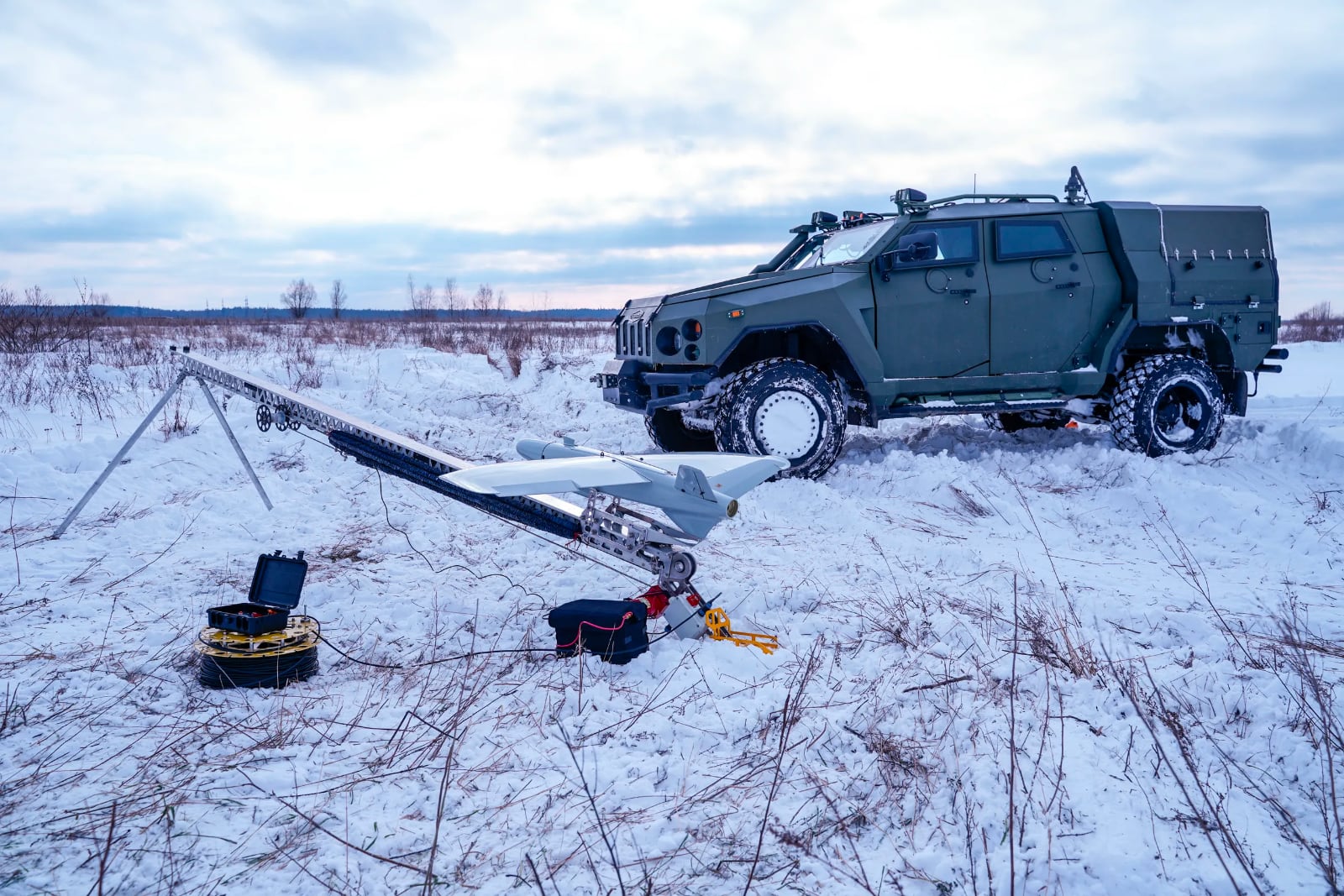
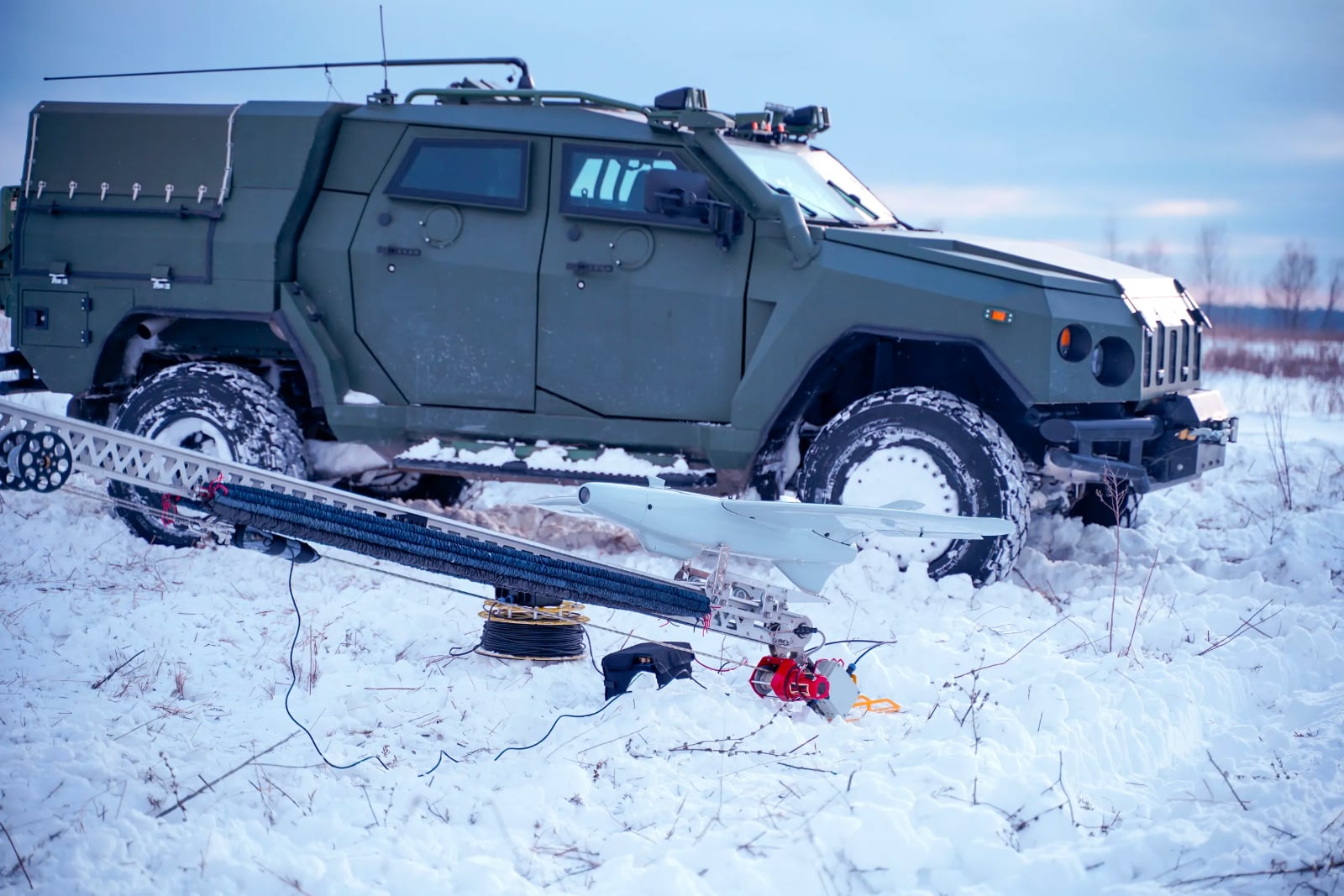
Nothing is known about the tests of RAM II, but the official website has real photos of it in the field. For the first time, the ammunition was officially shown in 2021, at the Zbroya and Bezpeka exhibition.
</ img>
</ img>
This model can definitely be attributed todrones - it looks not like a cruise missile, but like a UAV in a traditional form factor, with wings, a 1.45-meter long fuselage and a tail. The manufacturer talks about a standard FullHD camera with 10x optical zoom and image stabilization. The maximum flight range has been increased to 60 km, the communication control range is 30 km, the maximum flight altitude is 1 km, and the cruising speed is 70 km/h. The wingspan of the RAM II is 2.58 meters, the take-off weight is 9.8 kg, of which the payload reaches 4 kg. This UAV also takes off using a catapult and lands on the fuselage.
</ img>
Athlone Avia ST-35 Thunder (Silent Thunder)
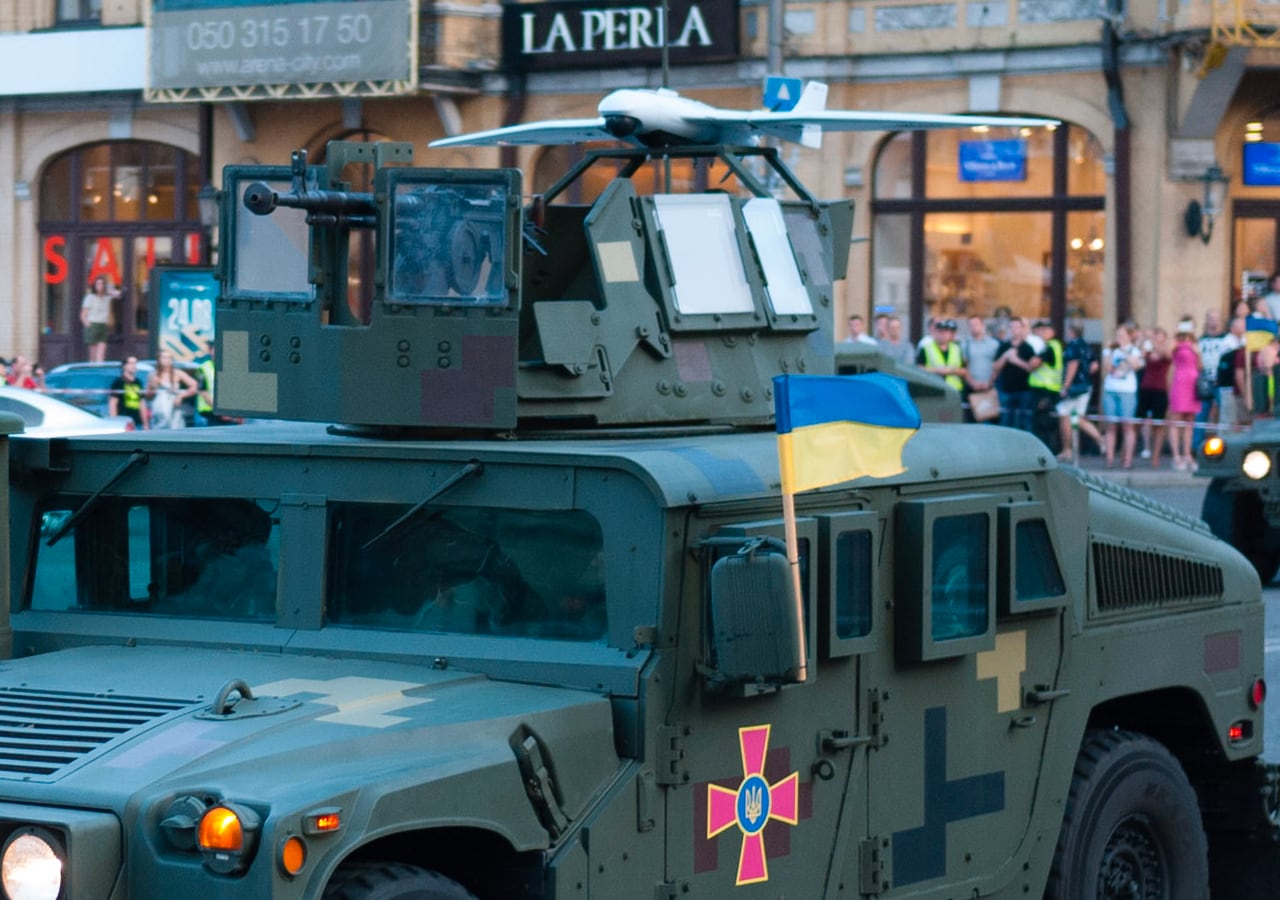
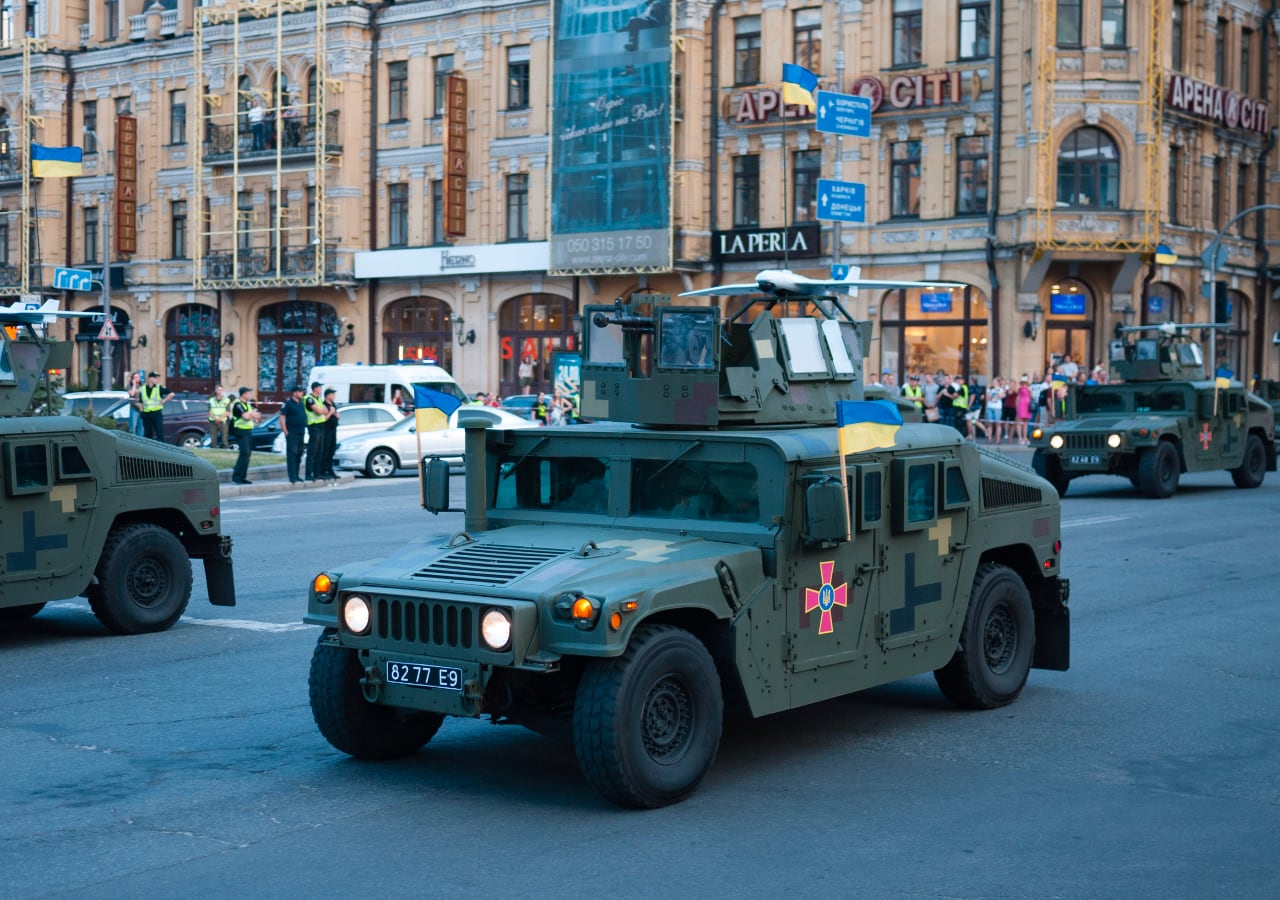
The company "Athlon Avia" is known, first of all,thanks to its Fury reconnaissance drones, adopted by the Armed Forces of Ukraine in 2020 and released, according to Wikipedia, in the amount of 400 pieces. Below is a photo of the Fury mounted on a Humvee during the 2018 Independence Day parade.
</ img>
</ img>
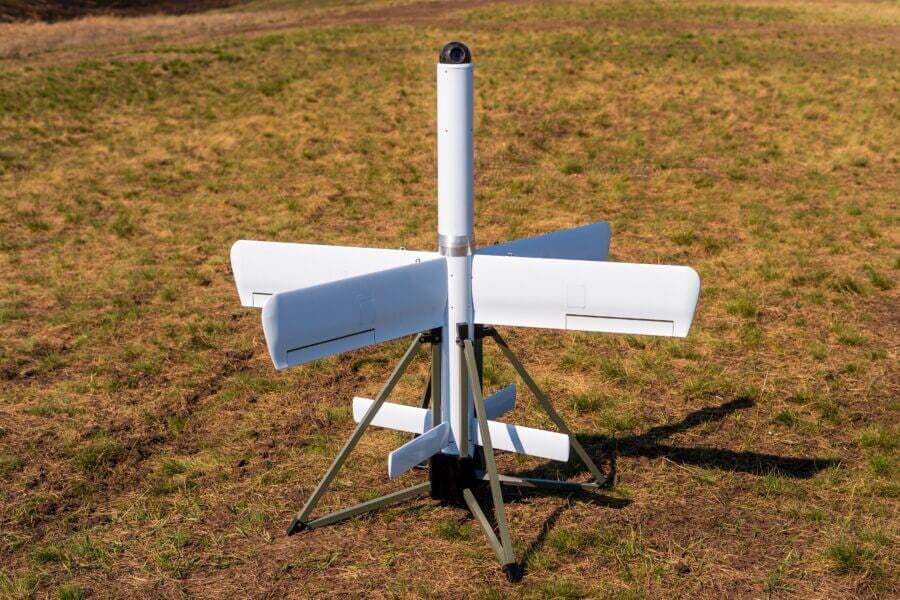
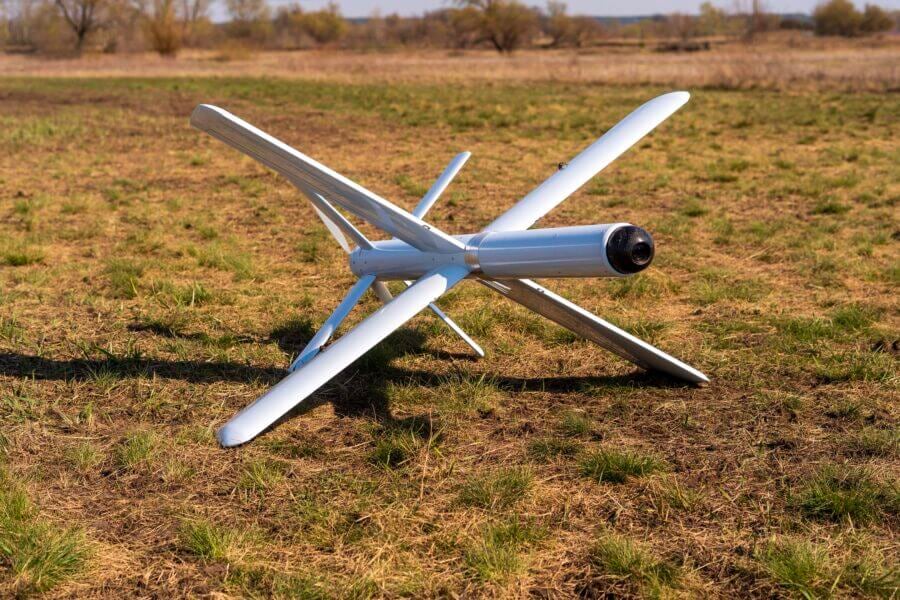
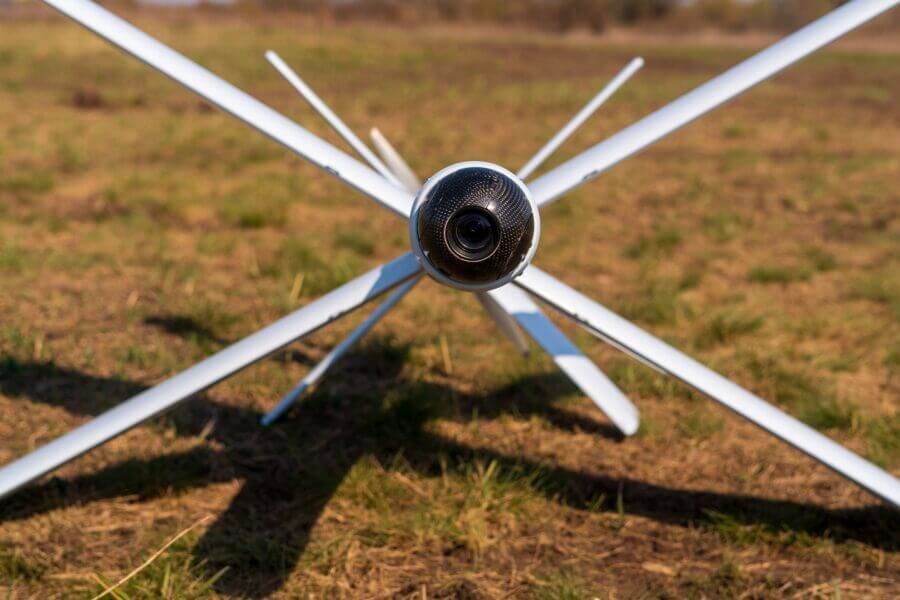
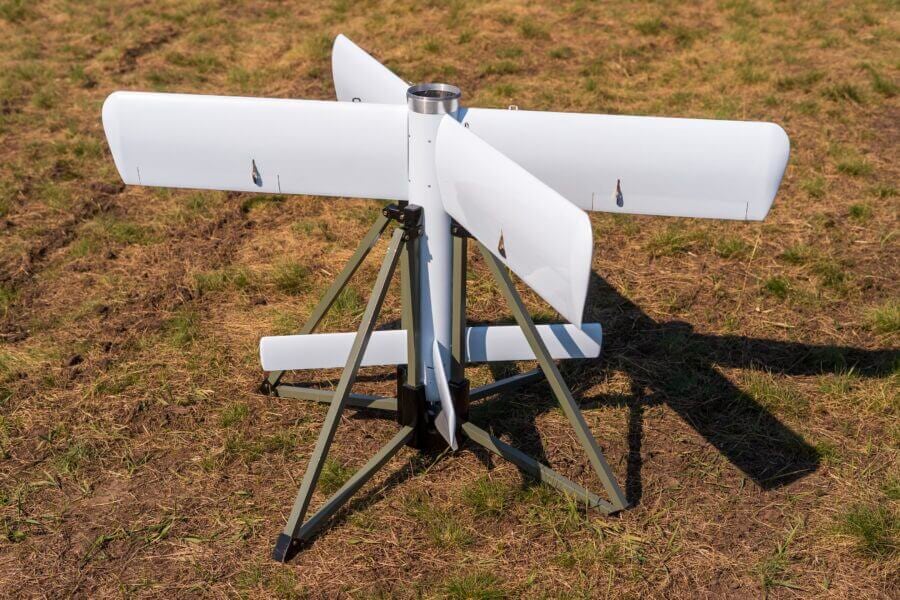
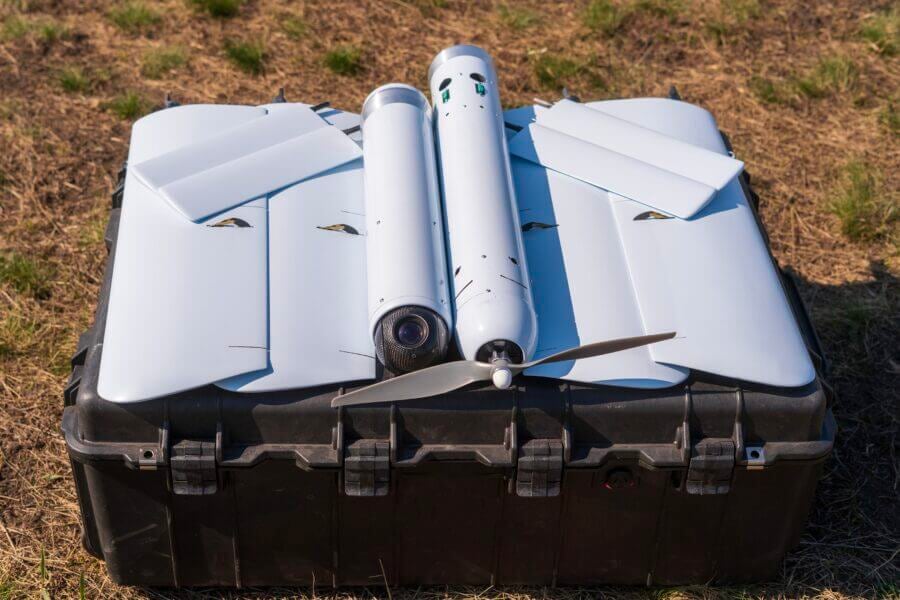
But now we are not interested in the reconnaissance UAV that has already shown good results, but in the development of the ST-35 Grom loitering ammunition, also known as Silent Thunder.
</ img>
</ img>
</ img>
</ img>
</ img>
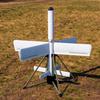
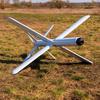
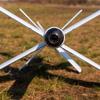
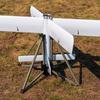
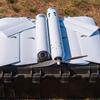
It has an interesting feature - it takes offvertically using a special hexacopter, and the ammunition itself looks like a cruise missile. The range of the ST-35 is 30 km, the flight time at an altitude of 800-1200 meters at a speed of 120-140 km/h reaches 60 minutes. The take-off weight of the Thunder is 9.5 kg, of which the warhead weighs 3.5 kg. Like the RAM, the ST-35 can carry three types of ammunition: high-explosive, thermobaric and cumulative, designed to destroy armored vehicles. The manufacturer claims a 95% probability of hitting a target with a deviation of up to 3 meters. Interestingly, the hexacopter rises to a height of 400-600 meters, after which the loitering ammunition is separated from the copter and goes into horizontal flight. The hexacopter is then used again to fly the repeater to an altitude of 1000 meters to control the ST-35.
Here is a 6-minute promo video of the system explaining in detail how it works:
The current status of ST-35 development is unknown. The Athlone Avia YouTube channel has several videos from 2021 with various options for testing guidance systems and hexacopter tests.
In the dry residue
On the current state of loitering ammunition andtheir combat use requires knowing several things. Firstly, they are not some kind of “wunderwaffe” with which you can win the war. Secondly, they can be extremely useful for targeted destruction of important tactical targets: air defense systems, command posts, multiple launch rocket systems and artillery. Thirdly, even if the state of Ukrainian development of kamikaze drones is hidden behind seven seals during the war, we know for sure that the Armed Forces of Ukraine have similar systems: Switchblade has already been delivered from the USA, the supply of the latest Phoenix Ghost loitering ammunition, which was created taking into account the current war with Russia. There is confirmation of the Ukrainian Armed Forces using Polish Warmate kamikaze drones. At the same time, Russian troops cannot boast of having such weapons: we heard about their kamikaze drone Kub-ULA only once and that it was shot down. The newest “analog shit” Lancets were successfully used in 2021 in Syria, but the same Brennan Devereux has doubts about their effectiveness on the battlefield. He says the Russian systems' minimum payload size is not disclosed, calling into question their destructive power, especially against armored vehicles. He also believes that “Russia created its [loitering] munitions to fight insurgents, not to conduct large-scale combat operations [with the regular army].”