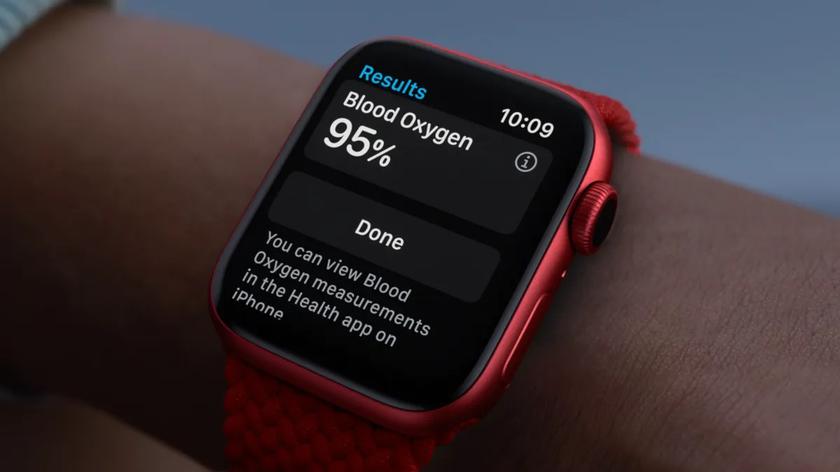
In the United States, a man filed a class action lawsuit against Apple. He blames the manufacturer and the sensor
What does it mean
A man bought an Apple Watch in 2020until 2021. He was confident that measuring oxygen in the blood did not depend on skin color, but is now convinced that the pulse oximeter does not work as correctly when interacting with his dark skin.
“For decades there have been reports thatthat such devices were significantly less accurate in measuring blood oxygen levels based on skin color. The real-world implications of this bias went unaddressed until the middle of the coronavirus pandemic, which coincided with a broader awareness of the structural racism that exists in many aspects of society,” the user assures.
He also stated that some researchersconfirmed the clinical significance of racial bias in pulse oximetry using patient records taken during and before the pandemic. We will leave the investigation of the veracity of these statements to lawyers and the court.
The man filed the lawsuit on December 24 on behalf of everyoneNew York consumers who purchased Apple Watch, as well as on behalf of residents of Alaska, Arkansas, Idaho, Iowa, Mississippi, North Carolina, North Dakota, Utah and Wyoming in accordance with those states' consumer fraud laws.
But the most interesting thing is that his accusationsare not baseless. In 2015, users complained that black tattoos on the skin interfered with the heart rate monitor on the Apple Watch and led to incorrect readings. And Apple itself has confirmed this: The ink, design, and saturation of some tattoos can block the light from the sensor, making it difficult to get reliable readings. But there was no pulse oximeter on the company’s gadgets at that time; it appeared in the Apple Watch Series 6 in 2020.