Content
- Equipment and design
- Software
- Cameras
- Performance & Tests
- findings
The T-series is the youngest in the vivo lineup.Apparently, it occupies an intermediate position between the stylish camera phones of the vivo V line and budget devices with the letter Y. The first model, vivo T1, has already appeared in Russia and at the time of writing the review is sold at a price of 14,999 rubles using a special promotional code. Is this a good option for the money? Let's take a closer look at the smartphone and find out.
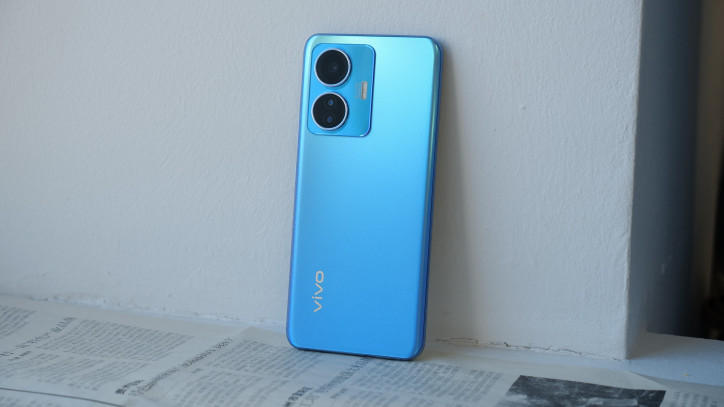
But first I'll confuse you.The fact is that under the name vivo T1, four different smartphones are sold in the world. The smartphone that came to us for testing is only available in Russia and India; it is also known as iQOO Z6 44W in India and globally as vivo Y55. In India, you can also find vivo T1 5G on Snapdragon 695, in Indonesia, the same smartphone is sold under the same name, but on Dimensity 810. In other countries, T1 5G with a variety of chips is sold as vivo Y77, Y77e, Y77e t1, Y55 5G, Y75 5G, iQOO Z6 and iQOO Z6 Lite. In Indonesia, there is still vivo T1 Pro on Snapdragon 778G, which in India is called iQOO Z6 Pro, and in some countries of Indochina, again vivo T1; in China, the same phone is sold under the name vivo S15e and for some reason on Exynos 1080. In general, if you see an ad for the sale of some vivo T1, then it’s not at all a fact that we are talking about the same smartphone that we are studying in this review. We have an option for Russia and India without 5G support.
 |
Vivo T1 Specifications |
|---|---|
| Network | 2G, 3G, 4G |
| Firmware | Android 12 with Funtouch OS 12 |
| Screen | 6.44″, 2400×1080 pixels, 20:9, 409 ppi, 61 Hz, touch 120 Hz |
| Chipset | Qualcomm Snapdragon 680, 6 nm CPU: 4 x A73 x 2.4 GHz + 4 x A53 x 1.9 GHz GPU: Adreno 610 |
| Ram | 6 GB |
| ROM | 128 GB |
| SIM and memory card | 2 x nano-SIM + microSD |
| Camera | Triple Main: 50 MP, 1/2.76″, Samsung JN1, 0.64 μm, f/1.8, phase detection autofocus, video recording 1080p@30fps Macro: 2MP, GC02M, f/2.4 Depth sensor: 2 MP, GC02M, f/2.4 |
| Selfie | Waterdrop notch, 16MP, Samsung 3P9, f/2.0, 1080p@30fps video recording |
| Battery | 5000 mAh |
| Charging | USB Type-C, 44W |
| Wireless interfaces | WiFi 5 bluetooth 5 FM radio GPS, GLONASS, Galileo, Beidou, QZSS |
| NFC | Not |
| Biometrics | Fingerprint scanner (on screen) |
| Sound | 3.5mm headphone jack |
| Water protection | Not declared |
| Dimensions and weight | 160.8 x 73.8 x 8.4mm 182 g |
Equipment and design
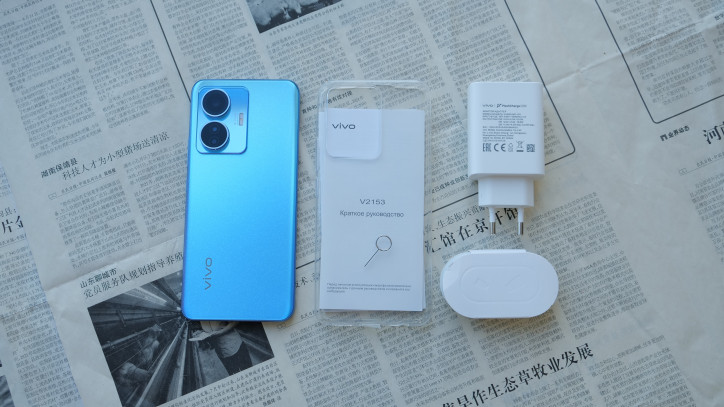
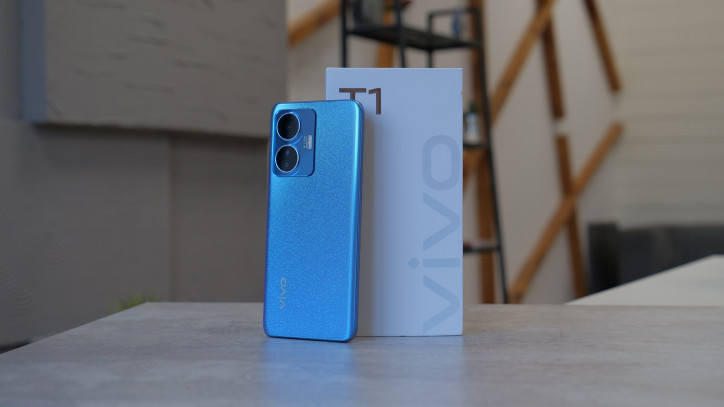
vivo T1 comes in a standard white boxwith a complete set: SIM needle, documentation, USB cable, 44-W charging, silicone case. No one is forgotten and nothing is forgotten, which is definitely good. They also put a protective film on the screen, what sweethearts.
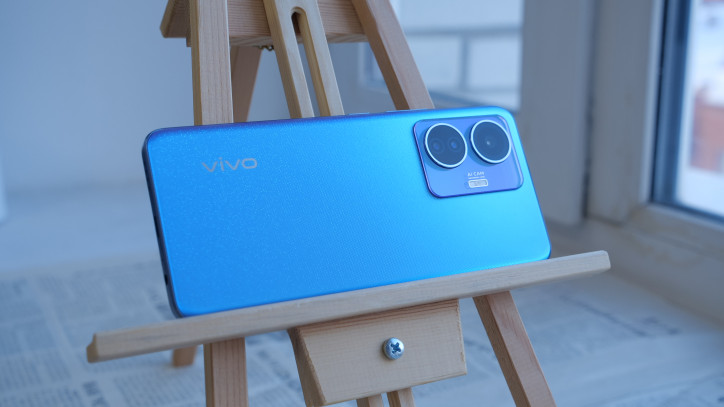
This phone comes in two colors:black and blue (“Star Trek” and “Mysterious Galaxy”). The body is completely plastic, but the materials are of high quality, so we won’t complain about it. In the color we received, the lid has an interesting shiny texture. It doesn’t look too flashy, but not boring either; It’s important to find a balance here, and vivo has found it. The ergonomics also deserve praise: due to the successful shape of the case, small thickness and weight (8.42 mm, 182 g), as well as the relatively small 6.44″ screen, using a smartphone is a pleasure.

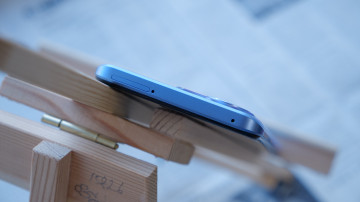
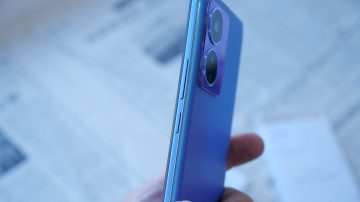
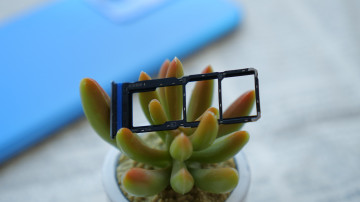
Let's go to the ends.Bottom: audio jack, microphone, USB Type-C, speaker. Right: lock button and volume rocker. Top: triple tray and optional microphone. Left is empty. As is clear from the listing, the fingerprint scanner was not built into the power button, it is here under the screen. Of course, an optical sensor is used, so the recognition speed is not the highest, but there are no complaints about accuracy.
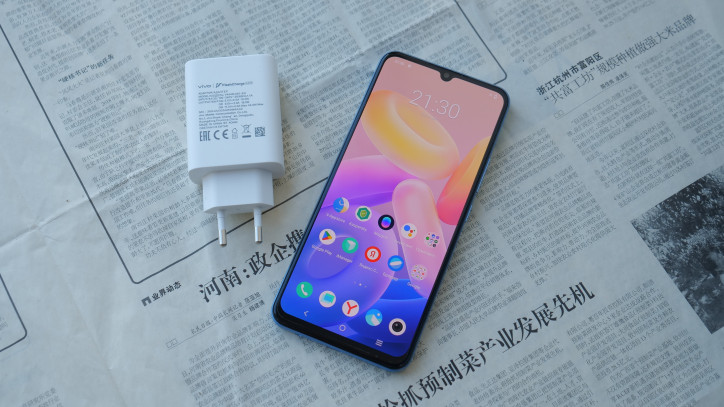
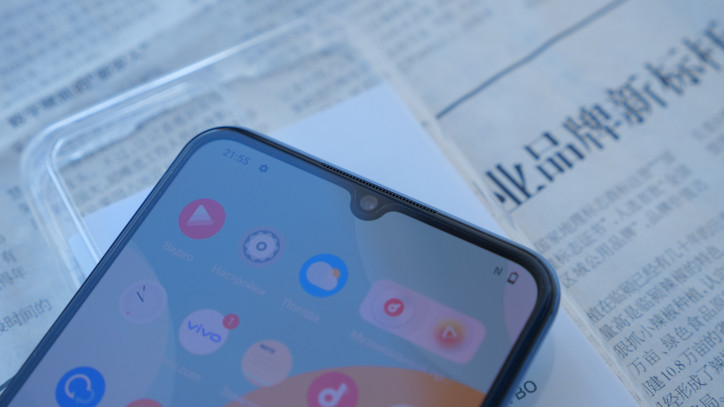
And since all our discussions are reduced to the screen,let's talk about it in detail. The AMOLED panel has a resolution of 2400x1080 pixels, and by the standards of inexpensive smartphones, this is a very good display. The screen refresh rate is 61 Hz; this is slightly more than the standard 60 Hz, but, of course, it is impossible to feel the difference. The touch registers touches at a frequency of 120 Hz in any scenario. There is a margin of brightness, the contrast is high, the color reproduction is pleasant. Great screen overall.
The multimedia speaker is also not bad, butsomehow plays alone. Why it was not necessary to connect a colloquial to help him and not realize a lorry in this way - I don’t know. They didn't even save on it! But they saved on vibration - not only is it not a tap (but this is normal for 14,999 rubles), but the motor itself is very weak, the vibration response is barely felt.
Software
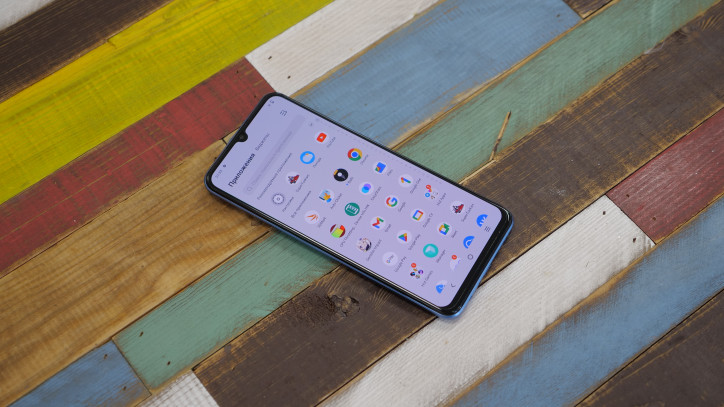
At the time of writing the review, vivo T1 was running onAndroid 12 with the proprietary Funtouch OS 12 shell, but now the distribution of the update to the thirteenth versions of the OS and shell has already begun. Funtouch OS – This is a good firmware with wide customization capabilities and a well-established visual style, but it is much more boring than Origin OS, another vivo shell that the company uses in its smartphones for the Chinese market. I don’t know why Origin OS isn’t coming to the world, but it’s very annoying. However, Funtouch OS is also very pleasant to use, so if you haven’t seen the Chinese vivo, you won’t be disappointed in the T1 interface.
Cameras
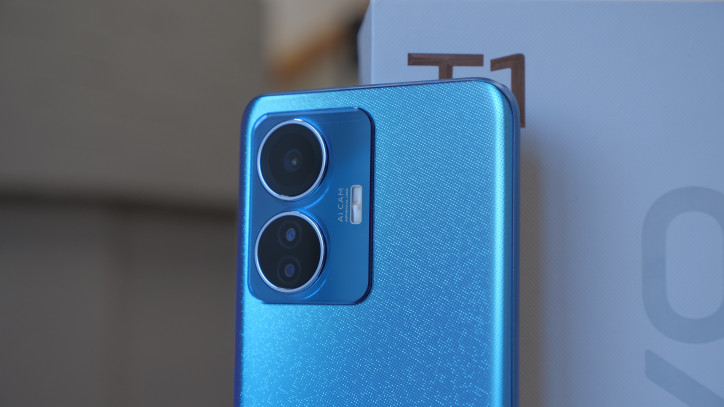
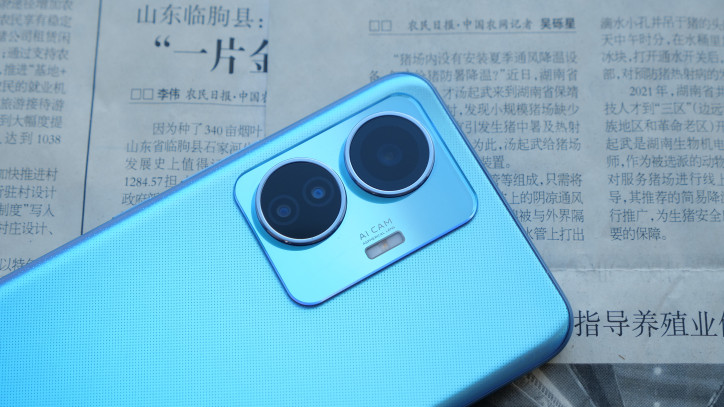
Behind the two huge eyes of vivo T1 camerashides not two, but three cameras! True, two of them are 2-megapixel plugs (GC02M1). And the main 50-megapixel camera does not match the size of its eye, because it is based on a tiny Samsung JN1 sensor. There is no OIS or any other goodies (autofocus and flash, of course, are).




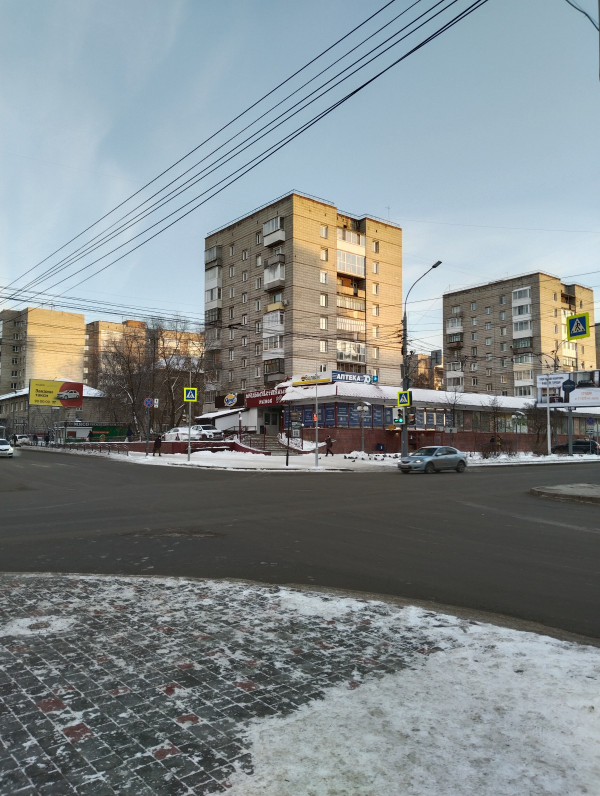


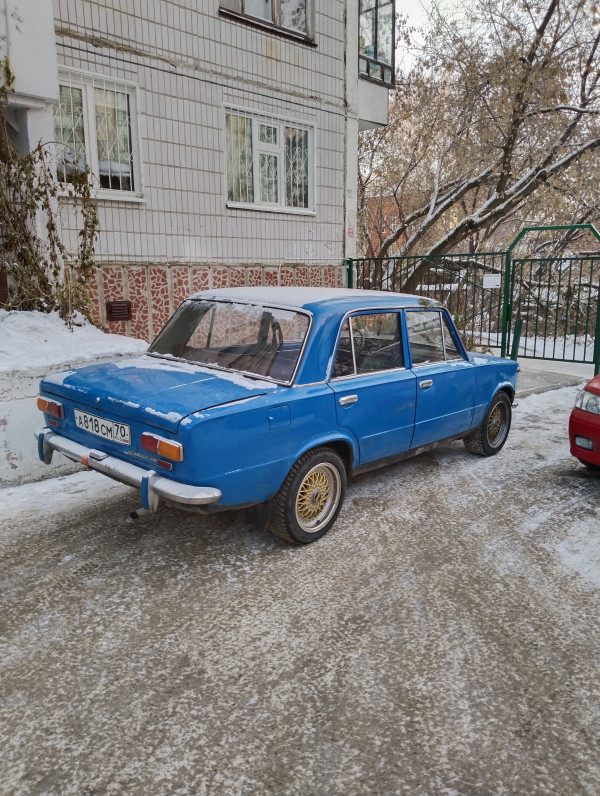




A decent budget camera, nothing more, nothing less.Night scenes lack detail because the small sensor can't capture enough light. And in the daytime, an interesting feature of the algorithms is manifested: the noise reduction is very weak, but many small details are preserved. An unusual approach, but definitely interesting. In terms of color reproduction, the camera is very good, even in low light conditions.


The front camera is based on the Samsung 3P9 sensor;She shoots great. Good selfies that you won’t be ashamed to show in the… Well, where do you put your photos there, in general. In terms of video shooting, everything is sad: 1080p@30fps on the main camera and front camera, 720p@60fps on the main camera. I think there is no need to describe it in more detail.
Performance and tests
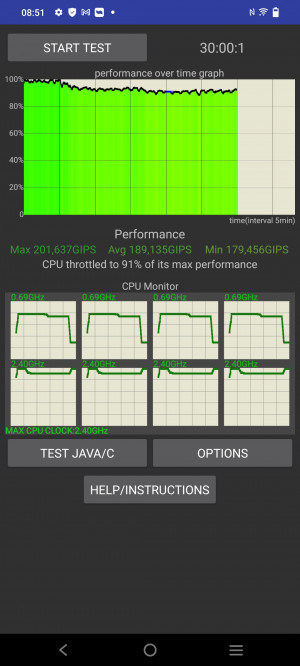
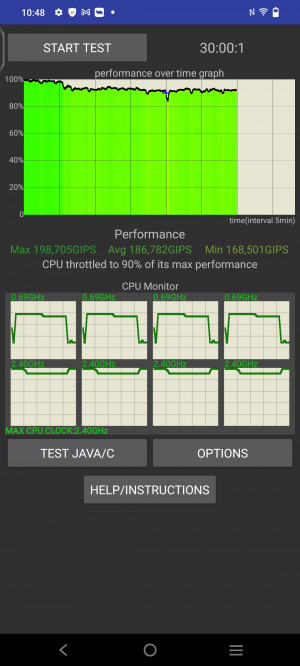
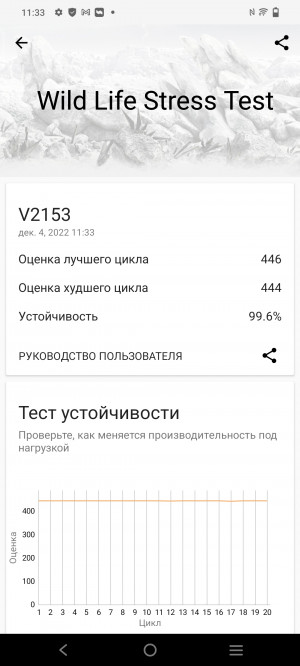
The vivo T1 is based on the super popular affordableQualcomm Snapdragon 680 chipset. This is not the most powerful piece of hardware, but it is made according to the modern 6 nm process technology, which means it is very energy efficient. This is exactly what throttling tests show: the values are low, but practically do not change over time. Moreover, there is no difference between the normal and the game mode, it is here only for all sorts of software chips.
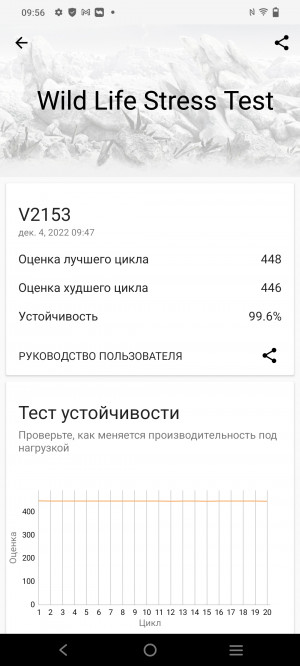
auto mode
Well, what is it like to play with such iron?Not bad, actually. In Genshin Impact, you can set the settings to medium, manually rearrange the frame rate to 60, and generally enjoy. You can, of course, set the graphics higher - but then the pleasure from the game will be very conditional. SuperTuxKart doesn't run very well at maximum speed, but a slight decrease in graphics settings also corrects the situation. In a word, in the most demanding games, the graphics will have to be reduced, and in the rest everything will just be fine.
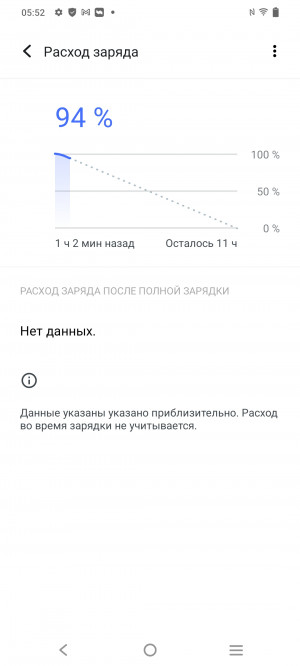
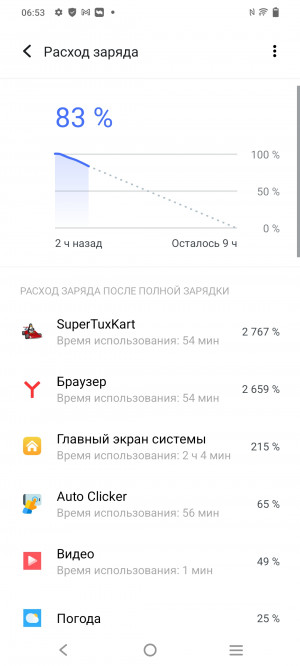
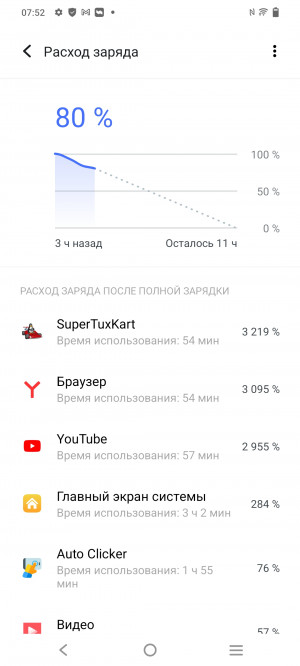
The battery capacity is standard formodern smartphone 5000 mAh. But non-standard for a modern smartphone is the combination of an AMOLED screen without increased hertz and an energy-efficient 6-nm chipset. As a result, autonomy is luxurious. With maximum brightness for an hour in YouTube, the smartphone lost 3%, in the browser - 9% and in SuperTuxKart - 6%. After another three hours of tests (benchmarks, camera, games), 42% of the charge remained, that is, even in the most intense scenario, the smartphone was ready to give out almost 10 hours of screen. So for most users, vivo T1 will live quietly for three days without recharging. This is an excellent result.
And 44-W charging will help if the smartphone is stillunload at the wrong time. A full charge takes only 75 minutes, and in 15 minutes the smartphone is charged by 25%, in half an hour - by 47%, in an hour - by 88%. Considering how slowly the vivo T1 discharges, 20 minutes of recharging should be enough for a full day of work.
Conclusions
vivo T1 went on sale in Russia at a price of 22999 rubles, which could hardly be called justified. However, it quickly fell in price and by the time of writing the review it is already offered for 15,990 rubles. And for the money this is a good offer: great design, great ergonomics, good selfie camera, decent performance, great battery life, fast charging. Yes, the main camera leaves much to be desired, but JN1 as the only useful camera, alas, is becoming the standard for smartphones for 15-18 thousand rubles; we saw the same in Tecno Pova 4 and Realme 10. So in this aspect, vivo is better than its main competitors.
© Oleg Lazarev.