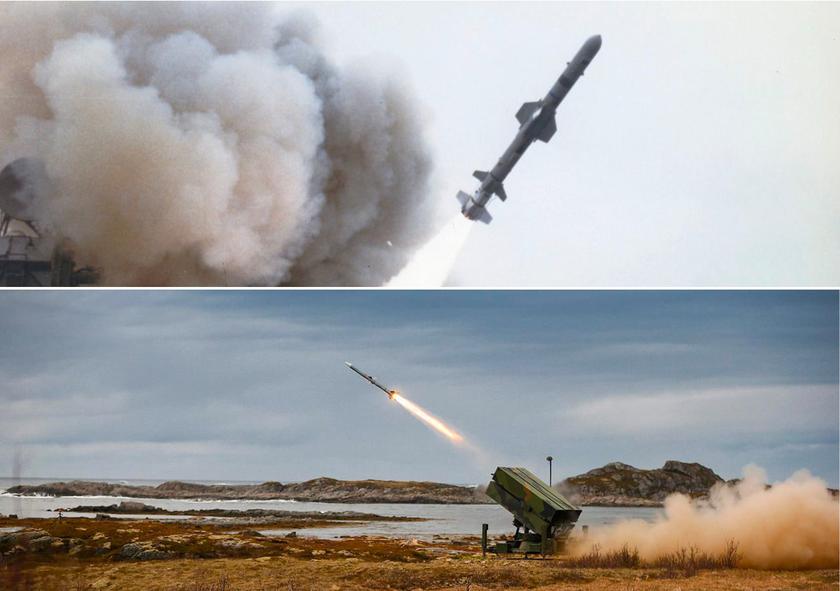
Speaking on March 30, 2022, before the Norwegian Parliament, President Zelensky asked for military assistance in the form of
Anti-aircraft missile system ️NASAMS
The abbreviation NASAMS stands for Norwegian AdvancedSurface to Air Missile System and translates as "Norwegian Modernized Surface-to-Air Missile System". This is a mobile anti-aircraft missile system developed by the Norwegian company Kongsberg Defense & Aerospace jointly with the American Raytheon, whose missiles it uses. The Raytheon family of missiles includes the Aim 9X Sidewinder Block II, AIM-120 AMRAAM and AMRAAM ER. It is an air defense system of small and medium (up to 20 km, for new missiles - up to 40 km for AMRAAM ER) range. NASAMS was adopted by the Norwegian Army in 1994 and became a replacement for the Improved Hawk air defense system.
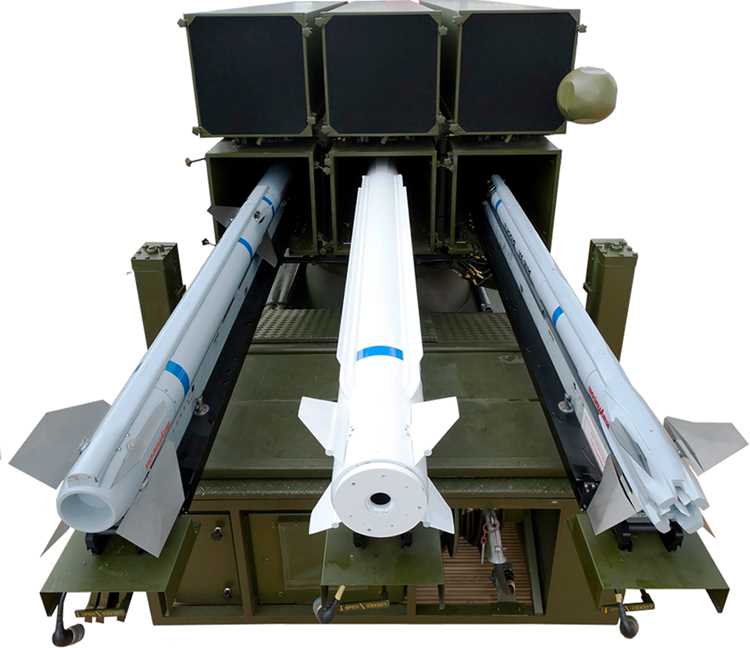
SAM NASAMS with three types of missiles used
The main performance characteristics of the NASAMS air defense system
- Range: from 2.5 to 40 km
- Target height: from 30 m to 16 km
- Response time: 10s
- Expand/collapse time: 15/3 min
- Target speed: up to 1000 m/s
Formally, these are air-to-air missiles(except for AMRAAM ER, which is designed specifically for air defense systems and has a range of action increased to 40 km - the ER s in the name means Extended Range), but can be launched from the ground and show effectiveness in defeating cruise missiles. NASAMS has a launcher optionHUMRAAM(Hummer AMRAAM) installed on the Hummer (in fact, it can be installed on any other mobile platform that is used by the armed forces) andSLAMRAAM(Surface Launched AMRAAM), that is, a ground launcher for AMRAAM missiles (in the video below).
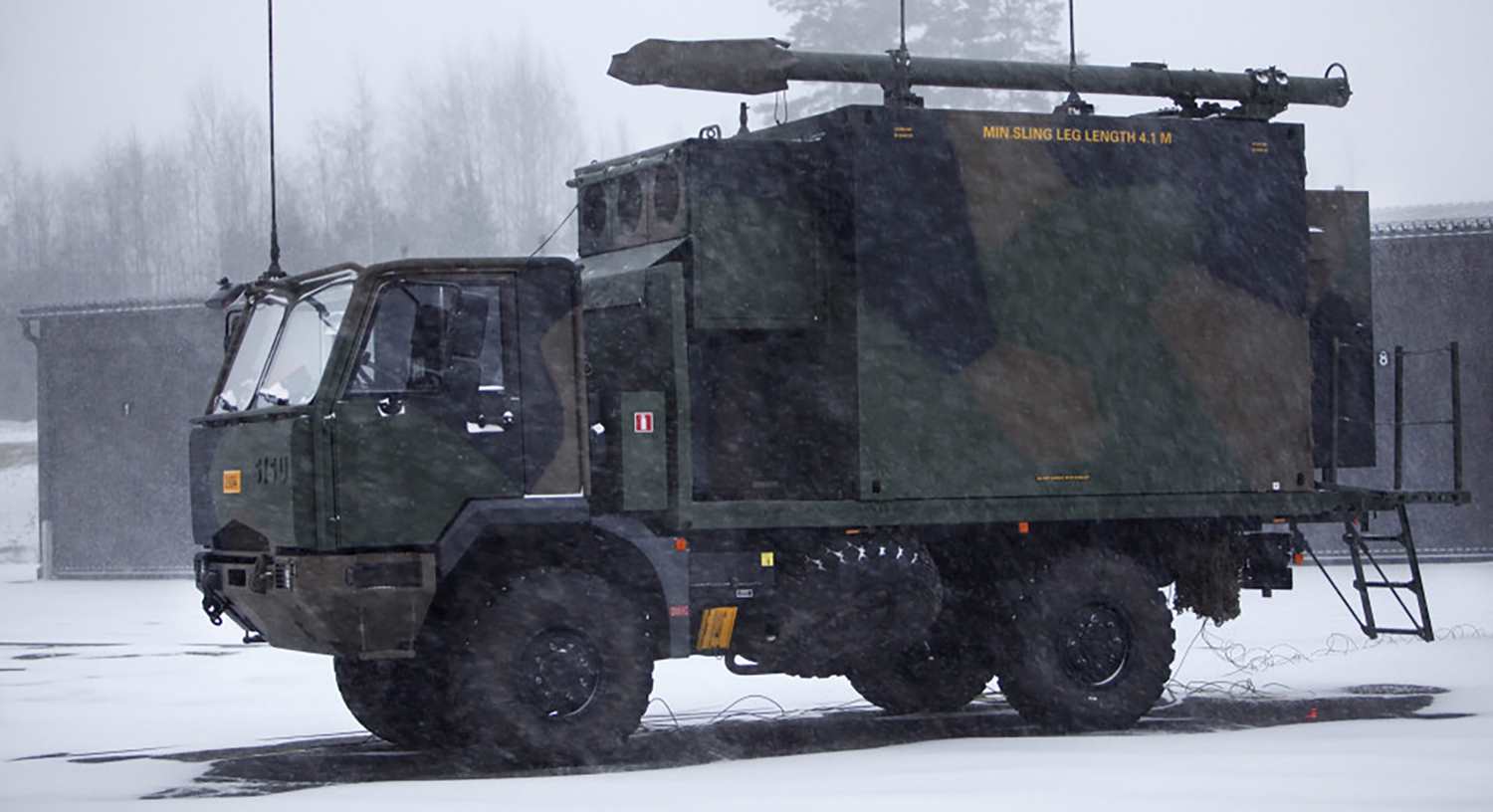
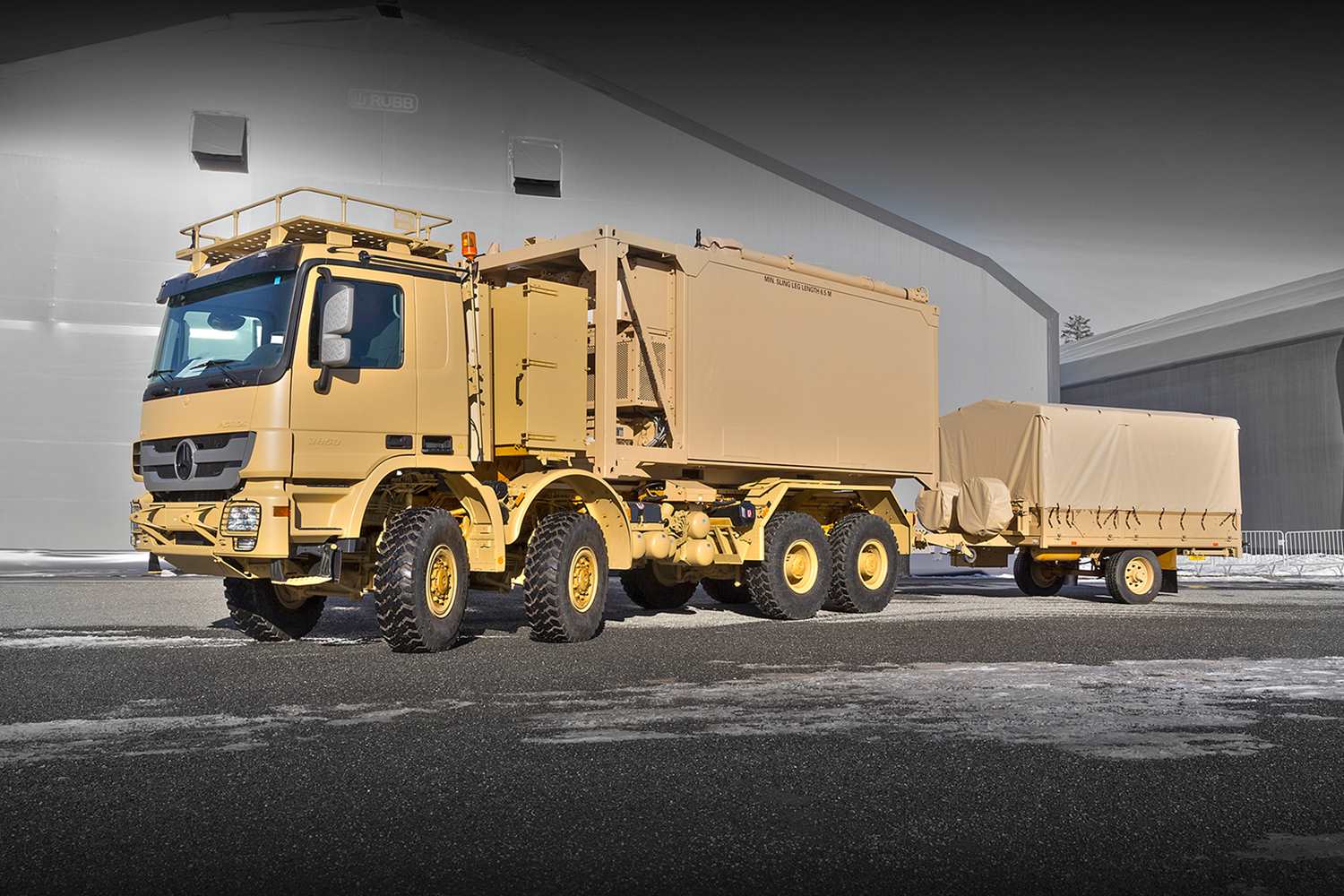
In the NASAMS system (usually they operate with standardunit - battery) includes 12 launchers (they are divided into 3 platoons) of 6 missiles each, 8 AN/MPQ-64 Sentinel radars, one vehicle with a multi-sensor camera type MSP500 and a launch control vehicle FDC (Fire Distribution Center).
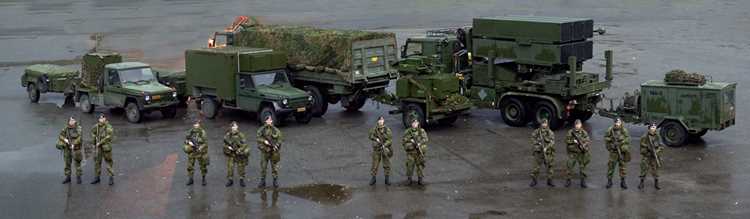
Radar Raytheon MPQ-64F1 Sentinel
Radar provides 360-degree surveillance,tracking and identification of targets at a distance of up to 120 km. It is capable of tracking more than 60 individual targets while simultaneously scanning the airspace for new ones. The radar weighs approximately 1,800 kg and can be placed on the roofs of buildings or on specially built structures to enhance radar coverage. MPQ-64F1 Sentinel is installed on off-road vehicles or trucks that carry an electric generator.
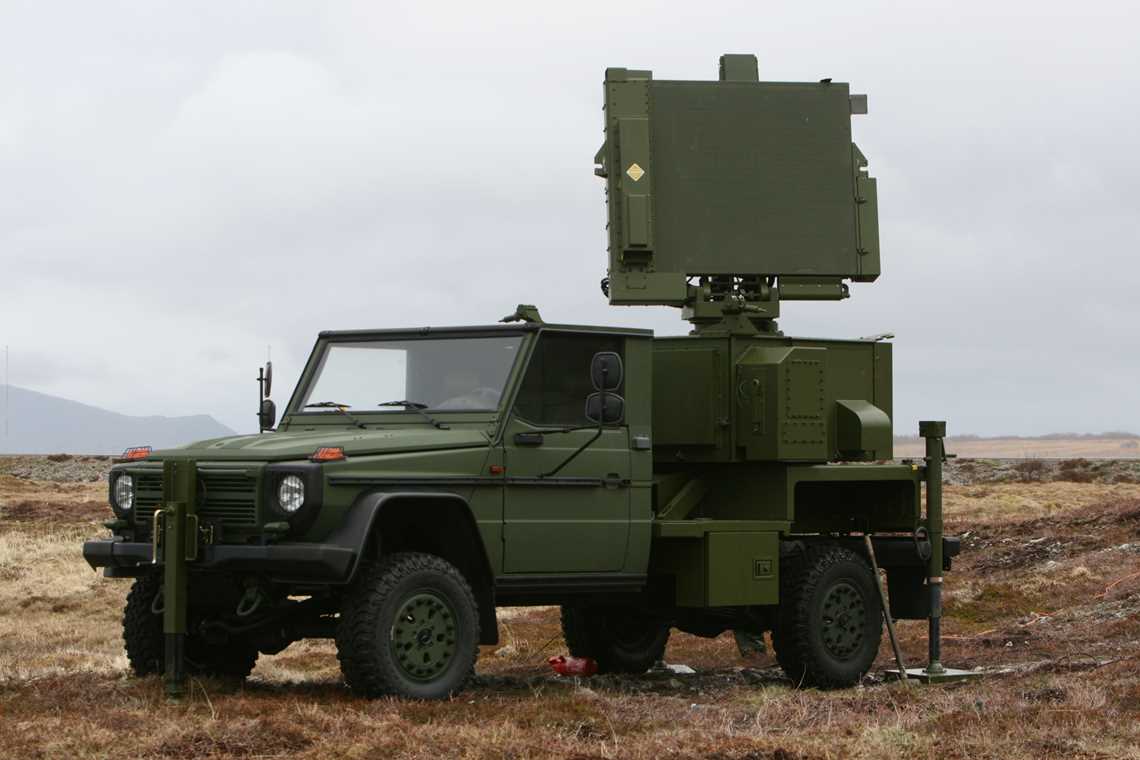
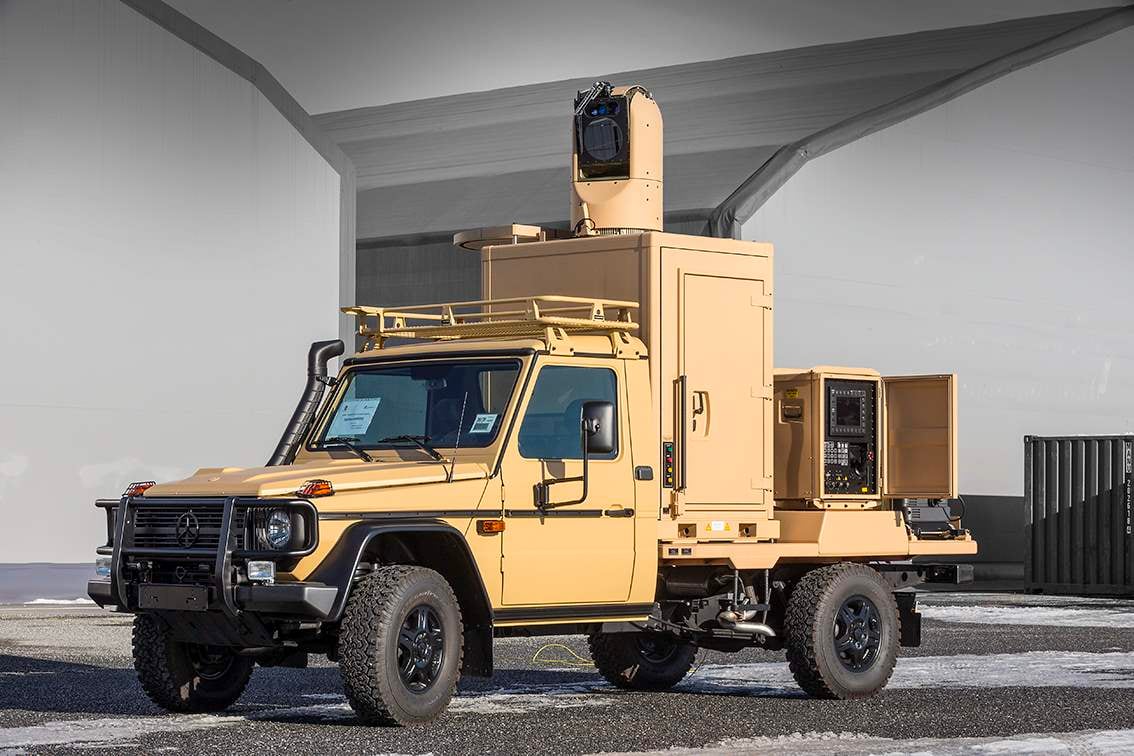
A car with a multi-sensor electro-optical camera
The electro-optical sensor provides the operatorNASAMS real-time video broadcast and electro-optical or infrared image. The sensor is installed on an off-road vehicle. The sensor unit uses an active stabilizer, which makes the vehicle with it highly maneuverable and simplifies the deployment and maintenance of the system.
</ img>
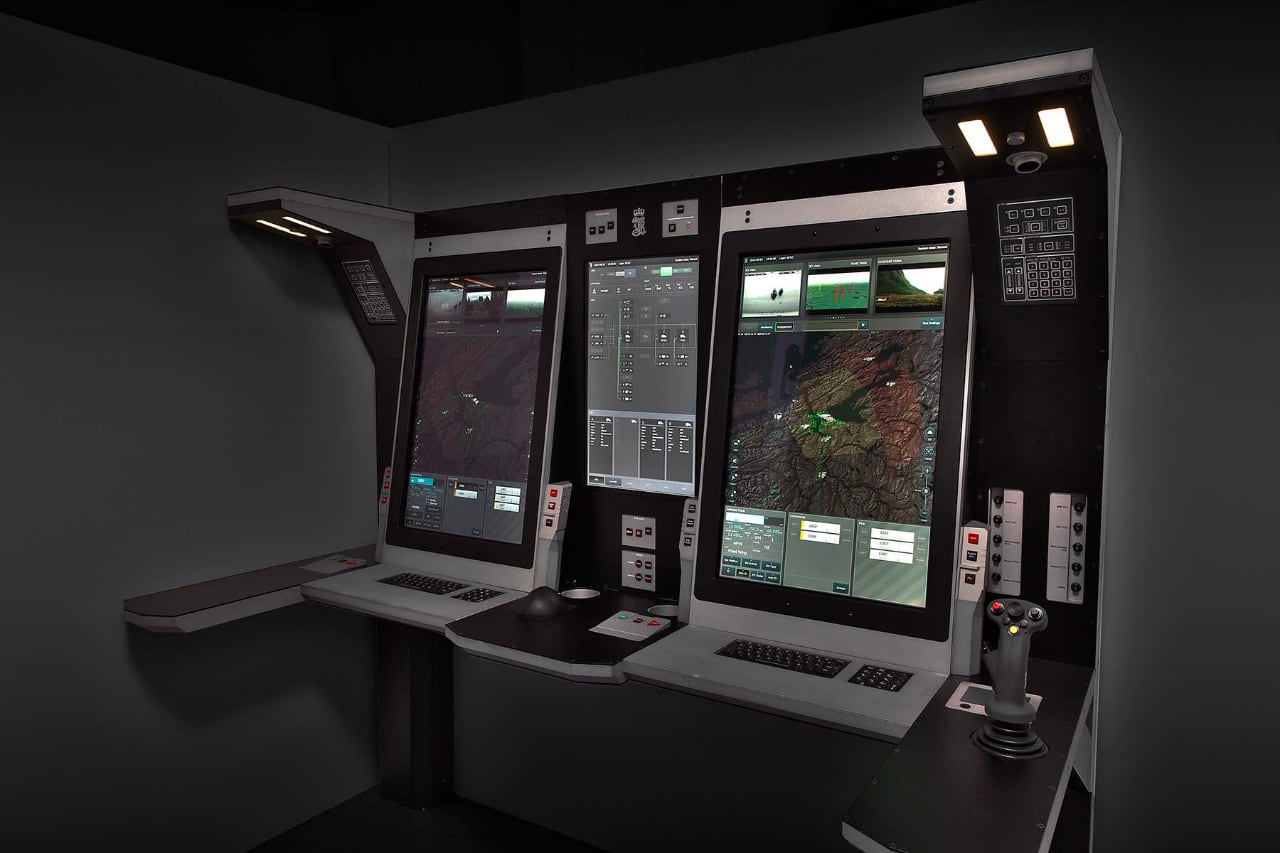
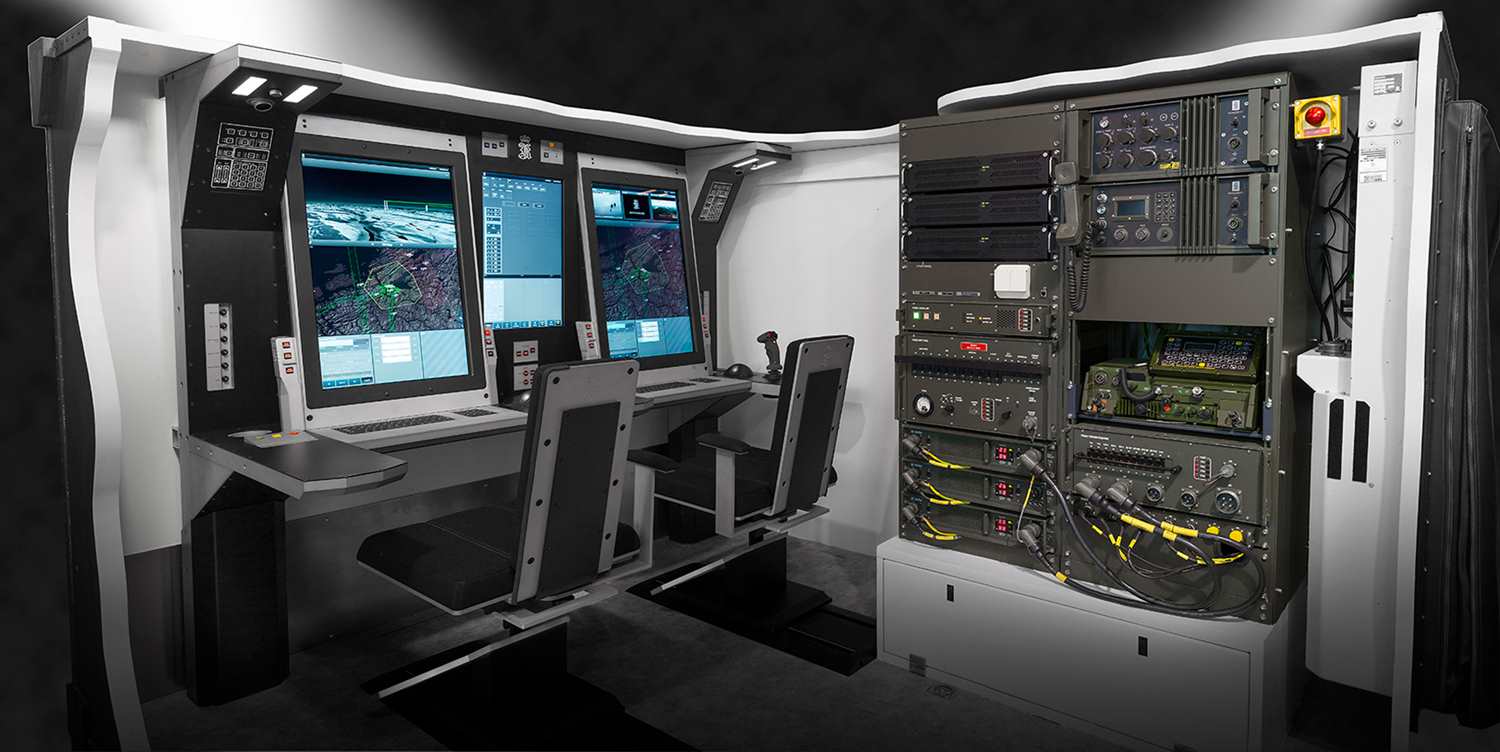
Mobile fire control center
</ img>
The NASAMS Fire Control Center has an opensoftware and hardware architecture that allows network and distributed operations, as well as the introduction of new technologies and capabilities. The center integrates approximately 10 different sensors and standard tactical data links, ensuring full compatibility with the tactical information of EU and NATO armed forces.
</ img>
</ img>
</ img>
The NASAMS system is in service with 12 countries:in addition to Norway itself, these are the USA (the complex is used as part of the White House air defense), Australia, Chile, Finland, Indonesia, the Netherlands, Spain, Qatar, Oman and Hungary. Since 2020, these complexes have been supplied to Lithuania.
Rocket Harpoon (Harpoon)
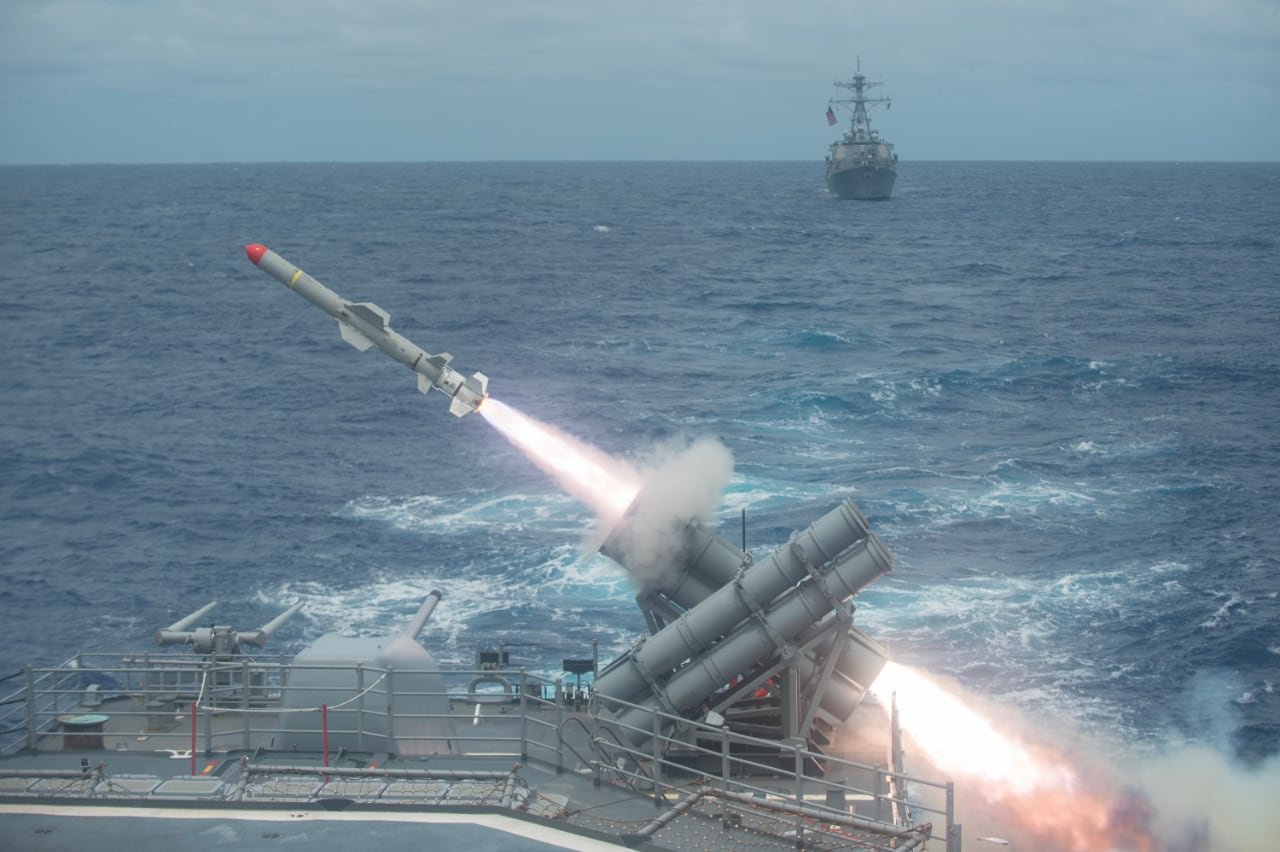
The Harpoon rocket is the most successful in the worldanti-ship missile, is in service with the armed forces of more than 30 countries. The current, upgraded version of the missile is called Harpoon Block II. It was developed by the aircraft manufacturing company McDonnell Douglas (in 1997 absorbed by Boeing, which is now the manufacturer of the rocket). Boeing says it has delivered more than 7,000 Harpoon missiles, costing one and a half million dollars in 2008 prices.
</ img>
Photo:A Harpoon missile is launched from the Ticonderoga cruiser USS Shiloh during a live-fire exercise in 2014 (Wikipedia).
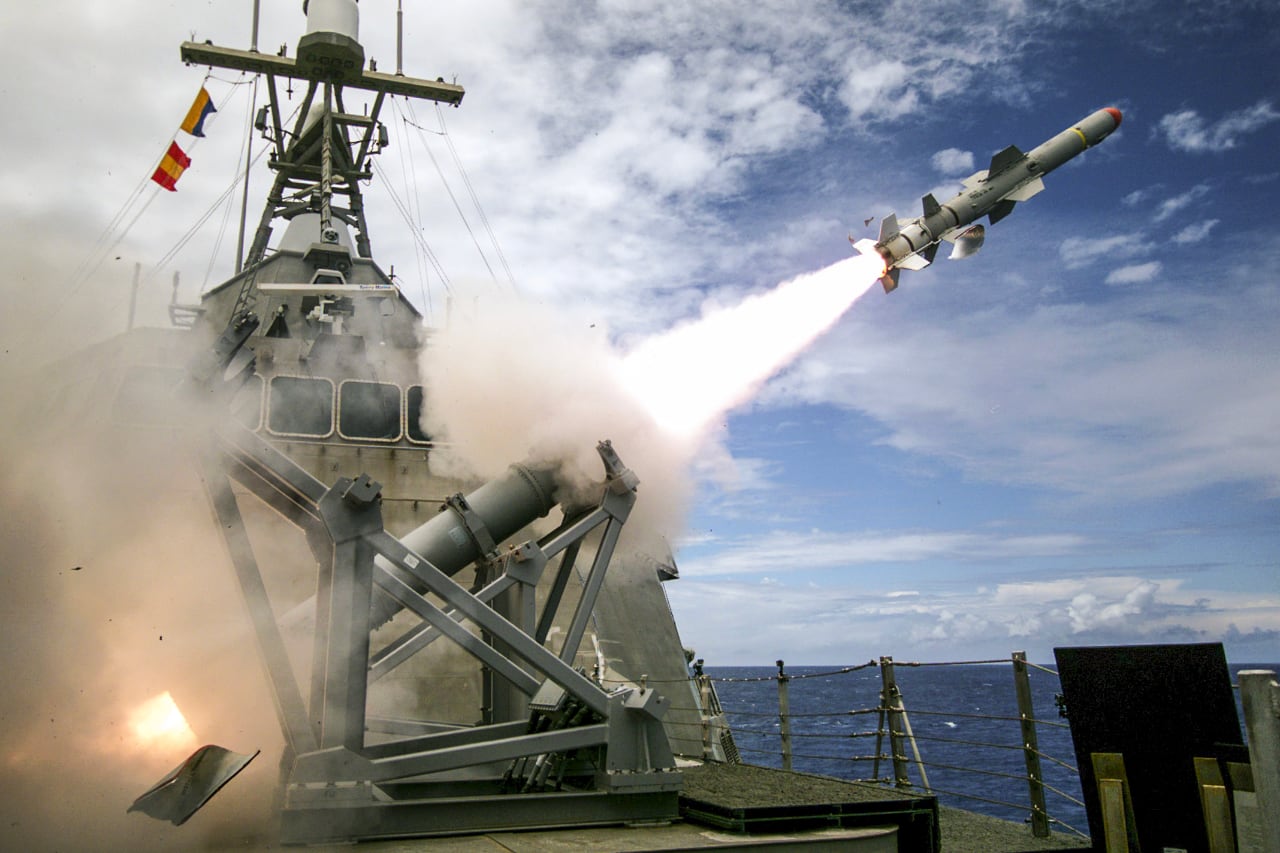
Initially designed (work began in1965) for anti-submarine warfare, but after the effective use of missile boats, the Pentagon saw potential in anti-ship missiles, so Harpoon development was refocused on this application. The 227-kilogram warhead provides lethal firepower not only against ships, but also against a wide range of ground targets, including coastal defense facilities, anti-aircraft missile systems, and port/industrial facilities.
The main performance characteristics of the Harpoon anti-ship missile
- Length
- aircraft launch option: 3.8 meters
- ship and submarine launch option: 4.6 meters
- Weight:
- aircraft launch option: 519 kg
- ship- and submarine-launched version: 628 kg
- Diameter: 340 millimeters
- Wingspan: 914 millimeters
- Maximum flight altitude: 910 meters
- Range: up to 280 km
- Speed: about 850 km/h
- Warhead: 221 kg, penetrating high-explosive fragmentation
</ img>
Photo:USS Coronado launches a Harpoon missile during an exercise in the Pacific, July 21, 2016 (Wikipedia)
Video: the history of the creation of the Harpoon rocket
The Harpoon rocket exists in three versions:
AGM-84:air-based
RGM-84:ship (shore) based
UGM-84:for launch from submarines
</ img>
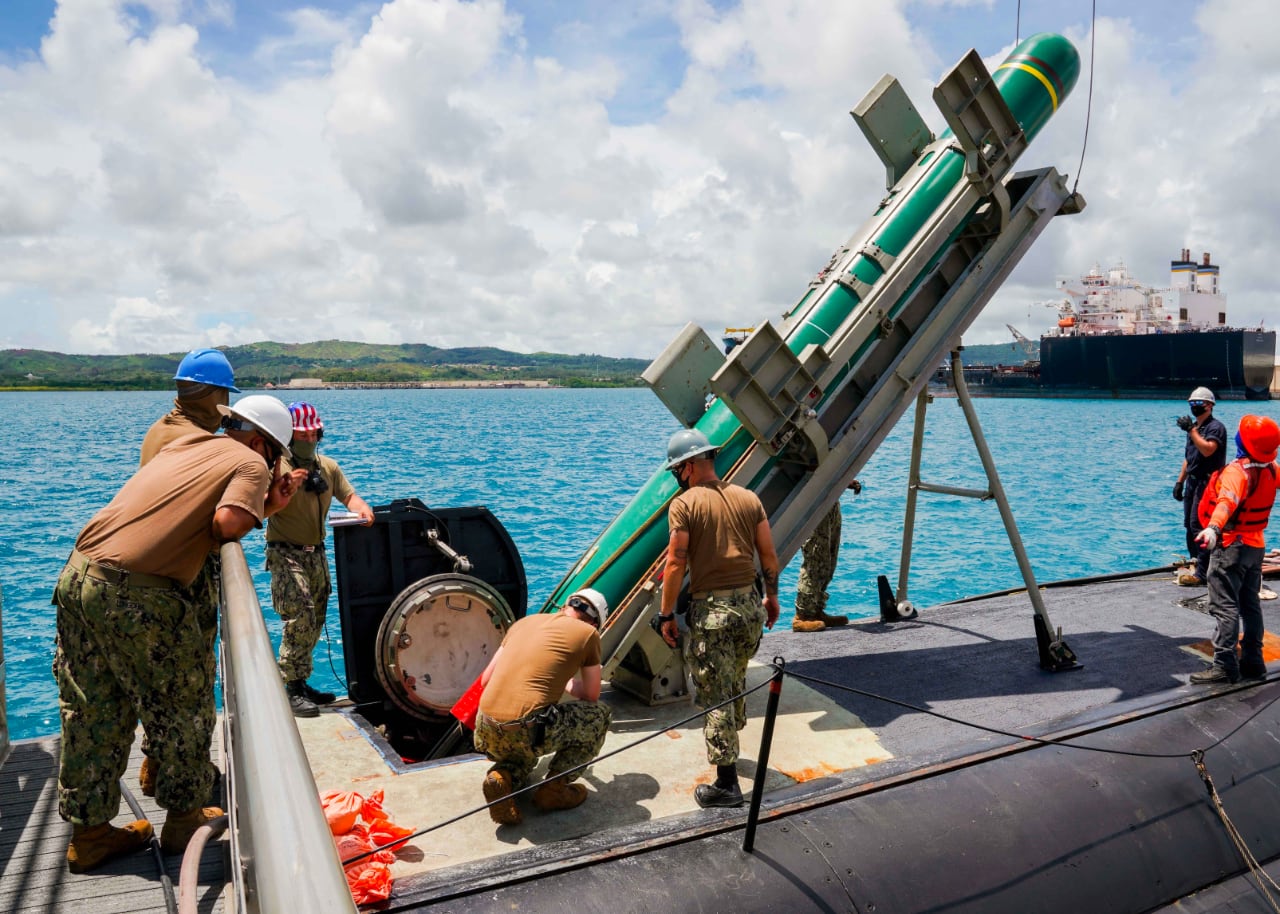
Photo:A Harpoon training missile is loaded onto the aircraft carrier USS Asheville during a certification exercise in 2020 (Wikipedia).
For those who want to know more
- The US administration is considering the transfer of Switchblade kamikaze drones to Ukraine, we tell what kind of weapon it is and what it is capable of (video)
- What are they fighting in the world now: modern assault rifles (machine guns)
- The predatory thing of the century: the history of the Predator UAV
- History of Boston Dynamics: company, people, robots
- 7 real threats to humanity that everyone refuses to believe
- Military technologies of the near future: laser protection, electromagnetic guns and other developments