The key feature of Samsung's new modular TV, The Wall, is microLED technology. Today we
First of all, it is worth noting that this is indeeda new technology, and not a marketing ploy when a new name is given to a long-existing development. MicroLED as a display type has significant advantages over LED TVs that currently dominate the market. In addition, The Wall from Samsung – This is not just a prototype or early development. According to the company, this model will go on sale before the end of 2018.
Advertising
Advertising
To fully understand why The Wall fromSamsung is a breakthrough – and why does it exist at all – Need to give a little more context. Let's start with the fact that your next TV almost certainly won't be MicroLED. And even the next one after him. However, one day this type may become the industry standard as the largest, brightest and clearest in existence.
Technology Overview: LED, OLED, MicroLED
LED
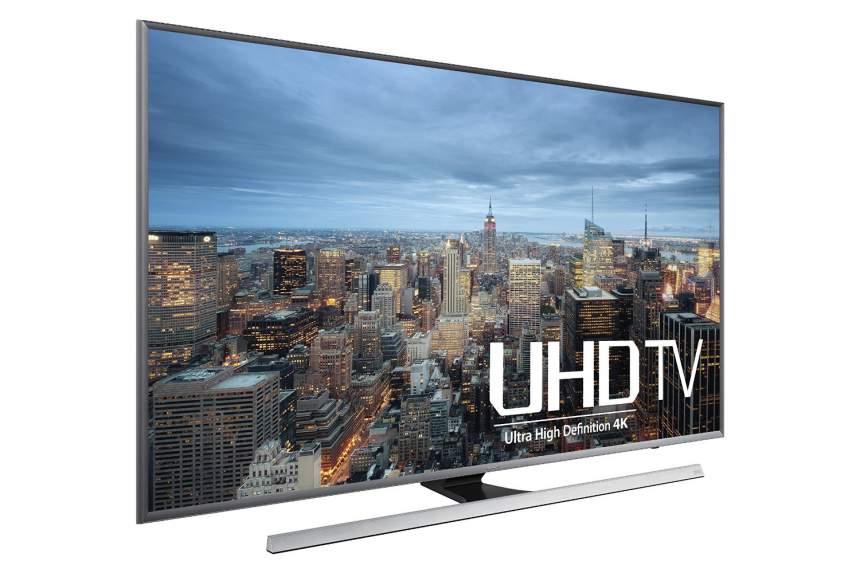

Let's turn to the technical side of the issue(don't worry, it won't last long). Now, as already mentioned, LED TVs dominate the market. LED itself – a designation for the light-emitting diode that is used in such displays to backlight while the liquid crystal display, layers of polarizers, color filters, and the shape of the glass shape this light into the image we see on the display.
Advertising
Advertising
LED works great and allows you to achievebeautiful image. But because it requires a backlight, it becomes extremely difficult to achieve truly dark blacks. Light leaks in, which shifts the range between the lightest and darkest shades that can be achieved on a particular device. This is especially noticeable on TVs with so-called edge lighting – the ones that create a strange halo of light around the display.
If you want to understand what quality looks likeLED TV – just turn on your TV. If it's not Sony or LG, it's LED – even the manufacturer gave it a cool-sounding name like Super UHD. Not bad, right? But it can be better.
Advertising
Advertising
OLED and MicroLED


Advertising
Advertising
In fact, it's better that already exists.This is exactly the exception in the form of Sony and LG, since only these two companies produce OLED TVs. OLED does not require a backlight. Instead, each individual pixel is highlighted exactly as much as required. There's no backlight, no weird warm glow where there shouldn't be any. Blacks appear black, the contrast levels are stunning, and the quality is, as Ray Soneira, president of DisplayMate said in 2015, "visually indistinguishable from perfect."
Fine! And this MicroLED effect is designed not only to preserve, but also to improve.
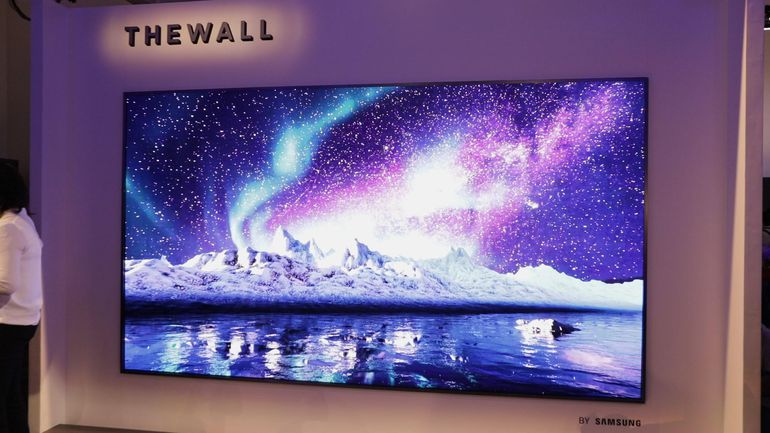

Like OLED, MicroLED abandons the rearbacklight, favoring incredibly small LEDs, each of which includes red, blue and green subpixels that emit light independently. However, unlike OLED, this technology uses inorganic material – gallium nitride, and this makes a big difference compared to organics for several reasons.
OLED panels are made from organic materials,which age over time, causing the brightness to suffer. In addition, aging can occur unevenly. Inorganic LEDs can be brighter than OLEDs and are not subject to aging. Pixel burnouts are also not uncommon in OLED, and if you hold up a static image on the screen for a long enough time, it may not immediately react when you switch the channel or resume playback.
Advertising
Advertising
The OLED manufacturing process also limitspossible sizes and shapes of the TV. Samsung calls the MicroLED technology in The Wall modular. Apparently this means you can “collect” TV made from small 9.37-inch blocks in the shape you want. The end result is a TV that's as good as OLED without the downsides.
What are we waiting for?
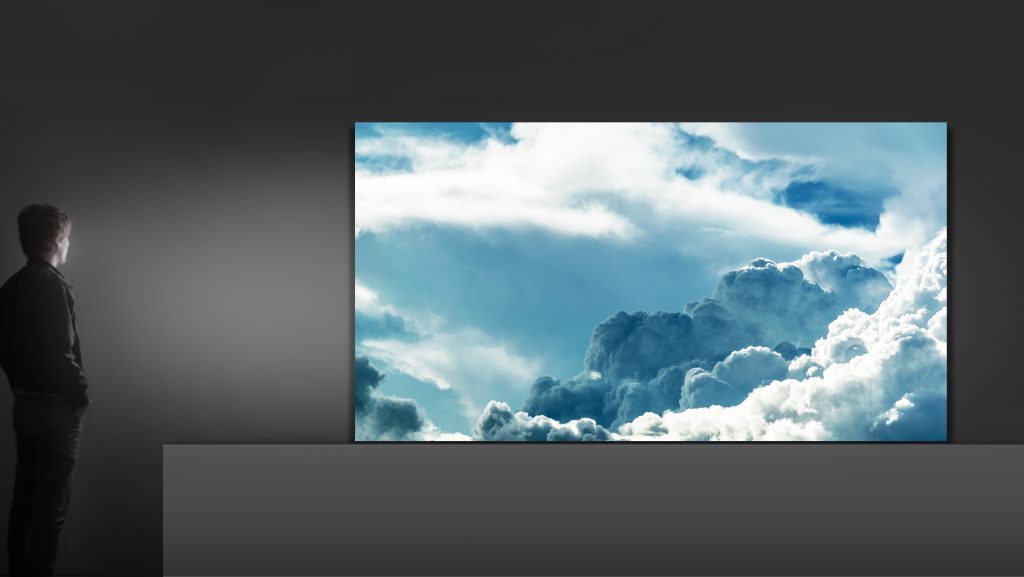

Yes, Samsung promised to release The Wall thisyear – however, as the presenter of the presentation said, the price will “correspond to the modern technologies that are used in it”. Simply put, this can be loosely translated into “a lot of money”. And even having the required amount does not mean that you will be able to buy such a TV in 2018. And even in 2019. And even in 2020.
“For now, call such a productconsumer is only possible with a big stretch”, – said Paul Gagnon, display analyst at IHS Markit. He noted that it will take about four more years for such TVs to become widely available. And we are talking only about production volume, and not about price reduction – even by 2022 it will almost certainly be fabulous. The very features of MicroLED that make the technology so amazing are also what make production so difficult.
Each MicroLED subpixel is produced andcollected separately. A 4K TV is made up of approximately 25 million of these subpixels – and each of them should work. That is why today the greatest hopes are placed on MicroLED by manufacturers of smartphones and smart watches. So, back in 2014, Apple bought the company LuxVue, which is engaged in the creation of MicroLED. And so far this technology has not been used in the Apple Watch. Imagine how long it will take to put on stream 146-inch TVs with a similar technical process.
Of course, times change and it was only recently 4Kseemed incredibly far away – today it is an almost universal standard. But MicroLED is different from 4K in that it is not a new generation. It's essentially just an improvement on what OLED already does.
So why all this talk?The fact is that LG is now the only company producing commercial OLED TVs. Sony purchases components for its OLEDs directly from LG. Most likely, while working on MicroLED in parallel, Samsung will soon enter the OLED TV market – Considering how long the company has been making such displays, this is not surprising.
The Wall can be considered a foundation for the future:Samsung has shown what it will be like, but for now we'll have to wait. But miniature MicroLEDs may go on sale this year. According to insider information, the fourth generation Apple Watch – will be equipped with such displays. although analysts are not without skepticism about these data.