When we talk about the Earth, on which people never appeared, the imagination immediately draws a picture of where the planet
Extinction of species
Human presence increased 100 timesnatural process of extinction of species. According to the latest estimates, it has not been higher since the Cretaceous-Paleogene extinction. This is one of the five great mass extinctions, it happened at the border of the Cretaceous and Paleogene, about 66 million years ago. By the way, part of this mass extinction was the disappearance of non-avian dinosaurs. According to a scientific hypothesis, it is associated with the fall of a meteorite on the surface of the Earth, which, with a shock wave of dust and sulfur, dramatically changed the planet's climate. In other words, humans are now affecting this planet like an asteroid.
Decline of nature caused by human activities,indicates that without us, the Earth would be a much wilder environment. Some extinct giants, such as moa, would live on it. This group of ostrich-like birds, some of which reached 3.6 m in height, developed in New Zealand for millions of years. But over the past 200 years, since the arrival of humans on these lands 750 years ago, all nine moa species have disappeared, along with at least 25 other vertebrate species, including the Haast giant eagle (Hieraaetus moorei) that hunted moa.
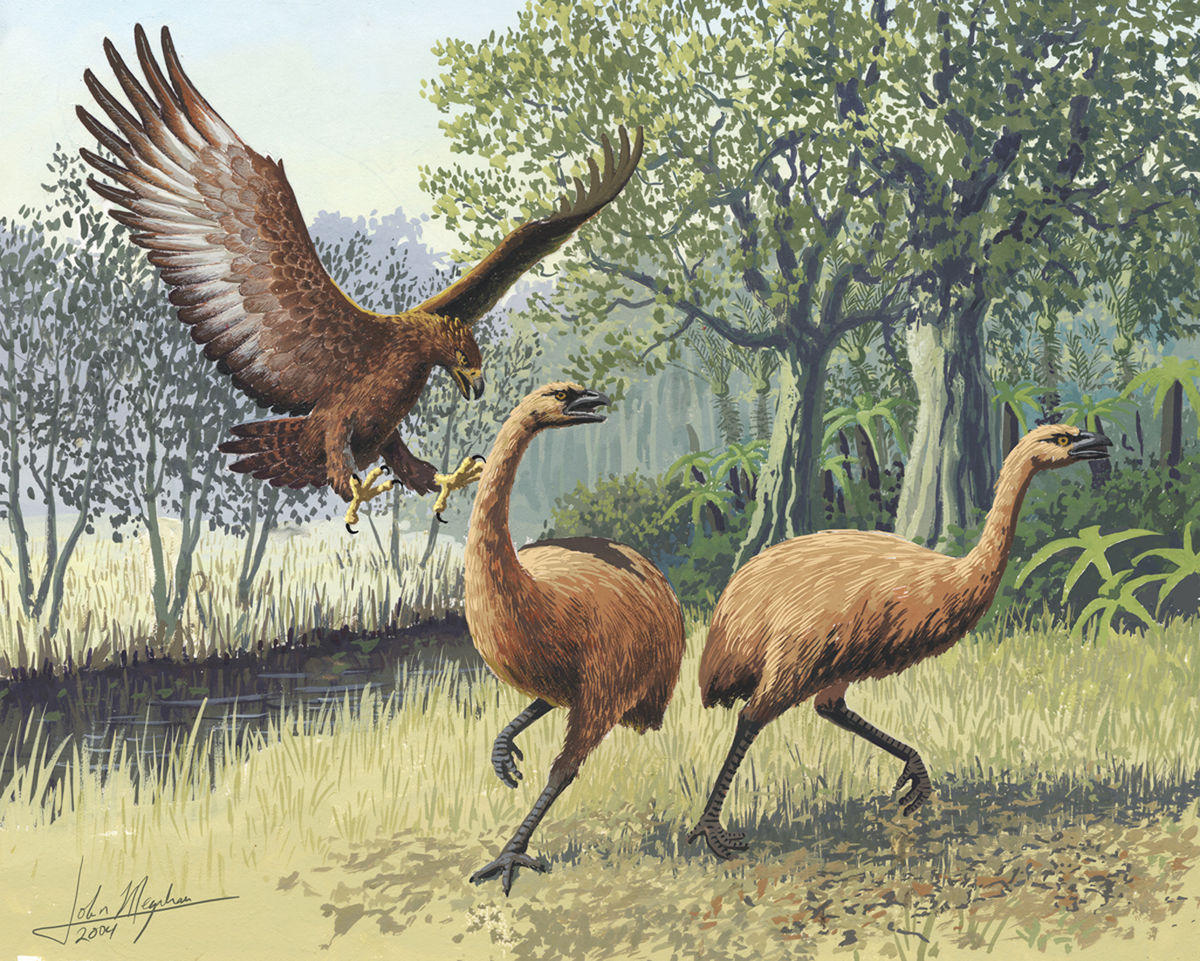
Giant moas and Haast eagles are just recentexamples of large animals, the disappearance of which is clearly associated with human activities (unregulated hunting and the introduction of invasive species into new habitats).
Earth-Serengeti
Seren Forby, Senior Lecturer in ZoologyThe University of Gothenburg in Sweden believes that humans have played a key role in the extinction of many large mammals. He led a major 2015 study published in the journal Diversity and Distributions. In it, the professor and his colleagues said that without people, the Earth today would become like the Serengeti, an African ecosystem teeming with life.
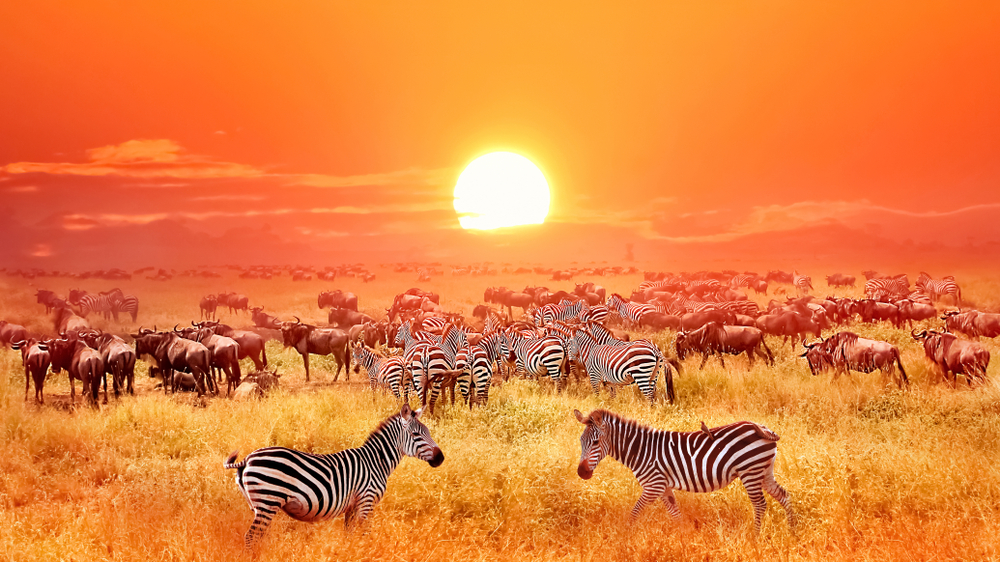
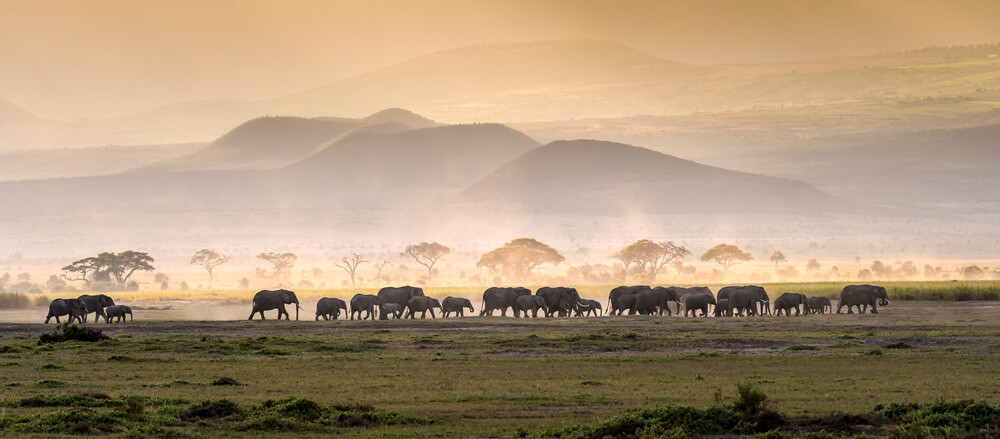
In this scenario, extinct animals like thosethat are found today in the Serengeti, including elephants, rhinos and lions, lived throughout Europe. For example, instead of African lions (Panthera leo), it would be inhabited by cave lions (Panthera spelaea), a larger species of animals that lived in Europe about 12,000 years ago. By the way, like the cave lions, the Barbary lions are officially considered extinct in the wild. Some individuals currently living in captivity are descended from Barbary lions, but there are apparently no purebred representatives of the subspecies among them.
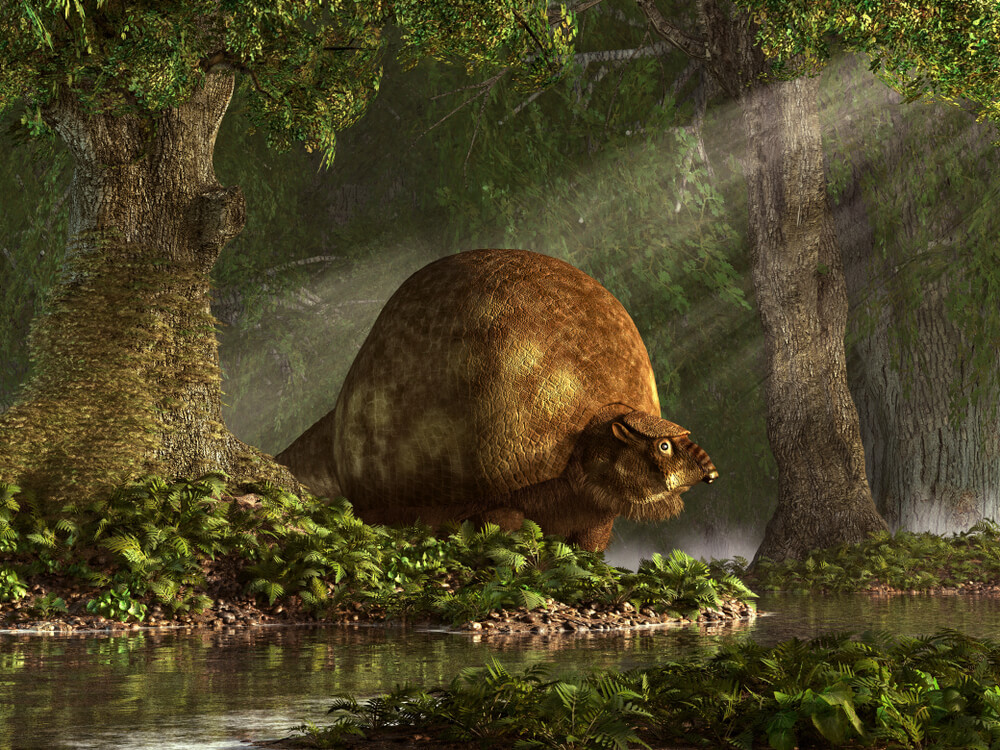 Glyptodon
According to scientists, America could becomehome to relatives of elephants and massive bears, as well as some unique species such as car-sized armadillos glyptodons and giant ground sloths.
What else has changed?
In just 2000 BC, the world populationamounted to several tens of millions. And already in 1700 there were already 600 million people on the planet, and today this figure has grown to 7 billion and continues to grow. And these are only human beings. According to the UN, the global cattle population is 1.4 billion, and in addition, at any given time there are approximately another billion pigs and sheep, as well as 19 billion chickens, that is, almost three for each person.
Humans have radically changed the landscape.Agriculture, coupled with the use of fire, have dominated the environment almost everywhere and changed it beyond recognition. In many regions, cultivated land has replaced natural vegetation. Today, up to 60% of the earth's surface is used in one way or another in the interests of man, in addition, he consumes more than half of the available fresh water reserves.
For example, rice production has made moreall ecosystems are flat. People create dams, and this changes the entire movement of sedimentary rocks in river basins. The aim is to create wetlands in many places suitable for rice cultivation. As a result, a large number of areas have become flatter.
In addition, people have devastated water resources.A study published in 2010 found the UK fishing fleet is forced to work 17 times harder today than it did in the 1880s in order to catch the same amount of fish. The UN Agriculture and Food Organization estimates that more than half of the world's coastal fish stocks are overexploited.
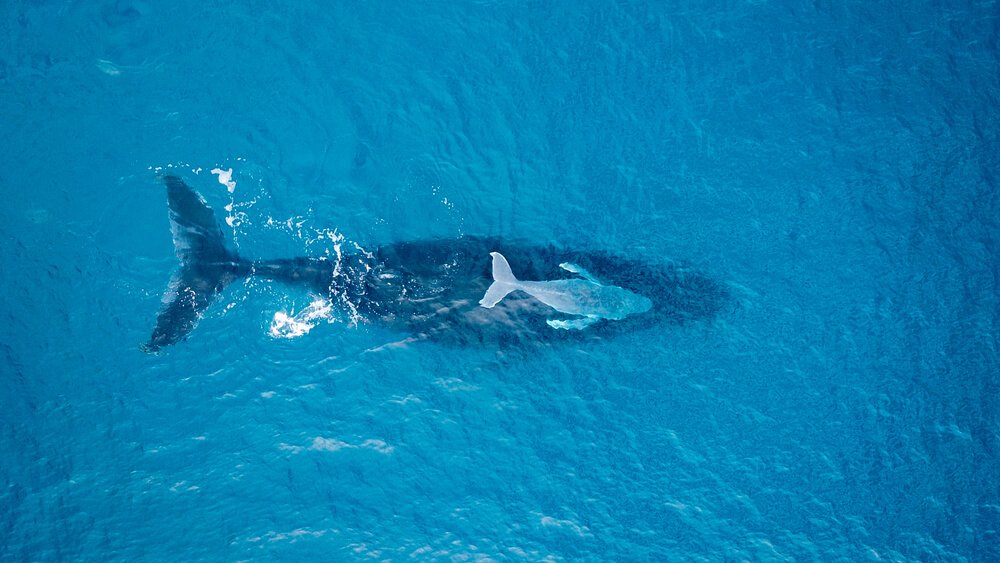
Whale hunting has also changed theoceans. During the twentieth century, some whale species were on the verge of extinction, and their populations have not yet been restored. According to a study published in the journal Science, the whale population was significantly larger before the hunt began than previously thought. According to this study, there were once 1.5 million humpback whales in the world, not 100,000, as experts from the International Whaling Commission believe.
The appearance of people is inevitable
It looks like the planet is doomed to be inhabitedpeople. Modern Homo sapiens weren't always the only hominins on the planet. If we took the human species out of the equation, then another would evolve, such as the Neanderthals. Scientists are not sure why they became extinct about 40,000 years ago, but because they mated with Homo sapiens, parts of their DNA continue to live in some of us.
According to one of the theories (only one!) competition for resources has become one of the factors in the extinction of Neanderthals. Perhaps if Homo sapiens had not come to Europe 45,000 or 50,000 years ago, then Homo neanderthalensis would have had a chance of survival.
Neanderthals led a difficult life in Europe, as didmodern people, but with difficulty cope with climatic changes, diseases. There were few of them and they were characterized by low genetic diversity. This is bad news for any species as it is a sign of inbreeding and poor health. Perhaps the emergence of Homo sapiens was just the last straw.
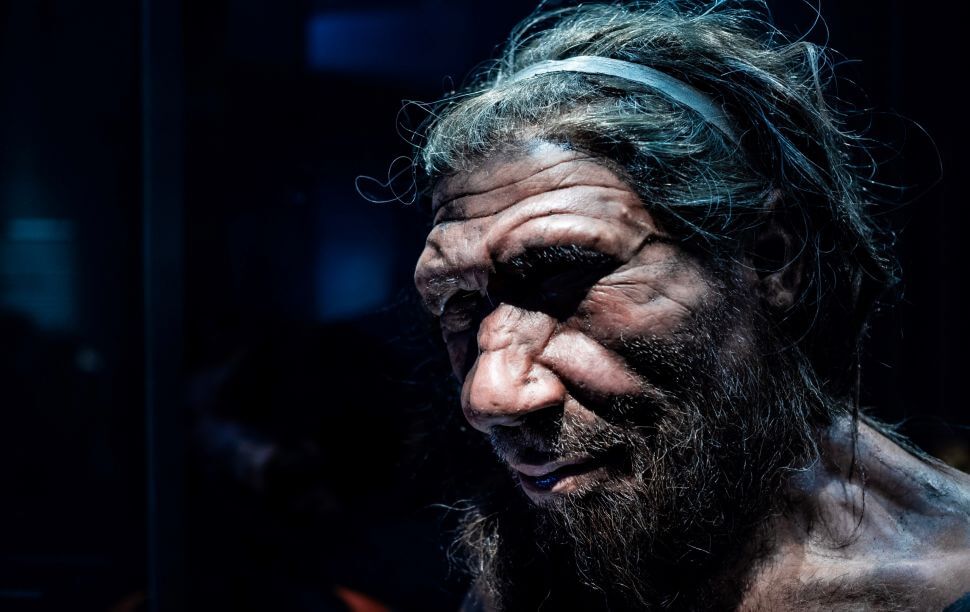
But it wasn't just the Neanderthals that humans could hold back.Scientists are still studying at least one other human lineage from around the same time as modern humans and Neanderthals: the Denisovans. This line, apparently, is closer to Neanderthals than to modern humans in genes and appearance, but differs from Neanderthals in very large molars.
People probably interbred with Denisovans,for there is evidence of Denisovan DNA in modern humans living in places like New Guinea in Oceania and even the Philippines. Homo denisovensis also partnered with the Neanderthals in Siberia, where the fossilized remains of a Denisovian-Neanderthal hybrid were found. If a reasonable man had not appeared, Denisov's people would have appeared in their place.
If one or both of these lines of Homo survived, thenpaved the way for Homo sapiens that changed the planet. Denisovans and Neaderthals could easily repeat his mistakes. Is it possible that Homo sapiens did not appear on Earth? Everything says no.
Read more
Life on Mercury, closer to the Sun: a very bad or brilliant idea
Impossible to imagine: what are the largest objects in the universe and where they are
Look at the Russian rival of the F-35: its prototype was shown for the first time abroad