The gadget market can be divided into two types: portable and stationary. The first category is the most active

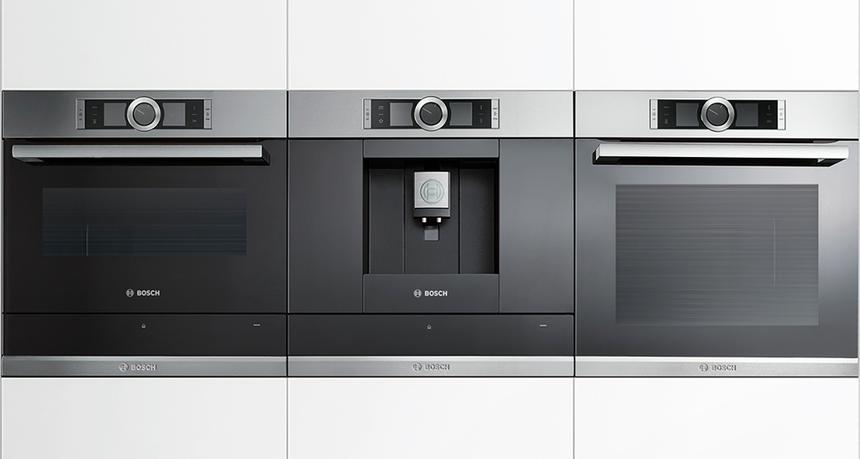
When it comes to smart home devices,most often a TV or set-top box comes to mind. There are more exotic (at least for now) options: internet-connected washing machines, refrigerators, ovens and hoods. Apparently, in the near future we should expect more and more technological integrations in household and home appliances, and at the same time, these innovations will gradually begin to descend from the top brand lines into the middle class models. At the same time becoming massive.
One of the most important questions is which method of communication and interaction to choose for such products.
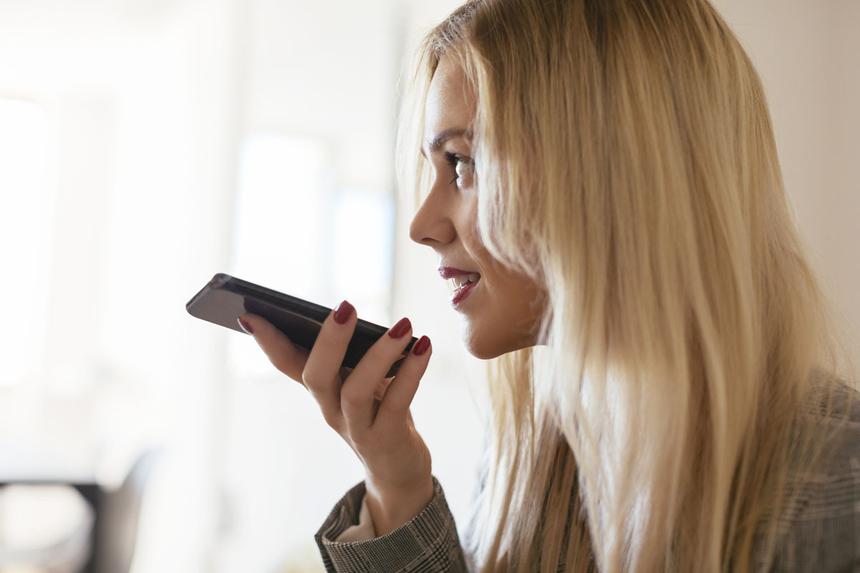
The most familiar graphical interfaceIt can't be implemented everywhere. How to put a display in a smart light bulb or socket? Therefore, manufacturers have relied on one of the simplest and most obvious solutions - voice control.
However, there is a problem here too.Not everyone is comfortable talking to inanimate objects. For example, older generations often feel awkward and are skeptical about voice interfaces. Young people and middle-aged people, however, also do not always consider this appropriate.
So far, only children, open to everything new andwho are in the process of learning about the world, it is absolutely comfortable to interact with the technique by voice. Research shows that 40% of voice questions are asked by babies. At the same time, children are much more empathic - they consider the assistant to be a person and the first thing they ask is not “What can you do?”, But “Who are you?”
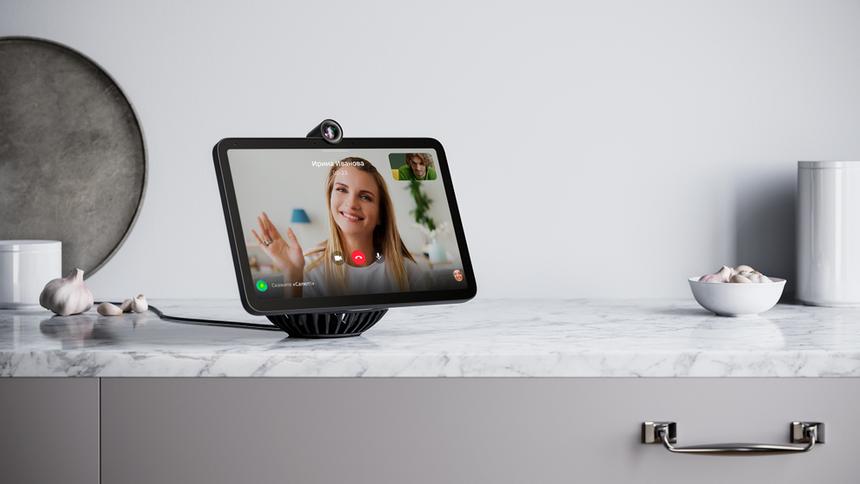
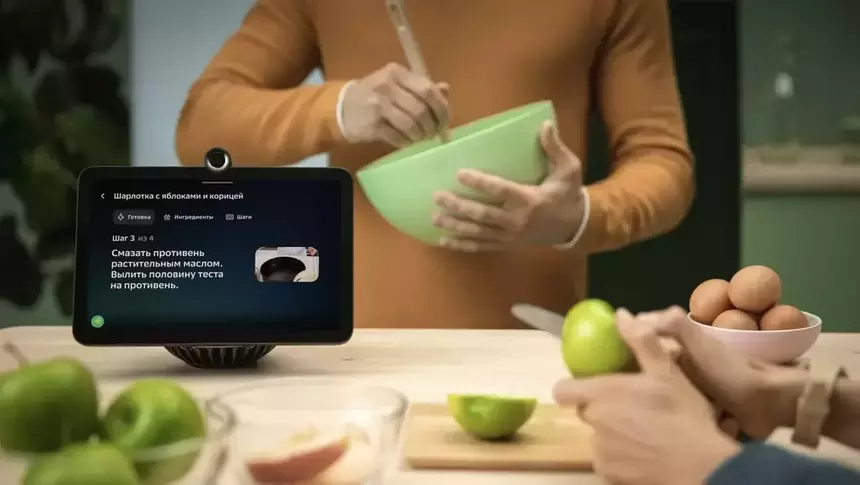
To make gadgets convenient for everyone, weSberDevices decided to apply a multimodal approach, that is, combining different types of management. You can “address” the device by voice, gesture, remote control or touchpad - and here a virtual assistant will come to the rescue, whose answer will take into account the way the question was asked. He can tell something in his voice, show it in a picture, or immediately perform the desired action.
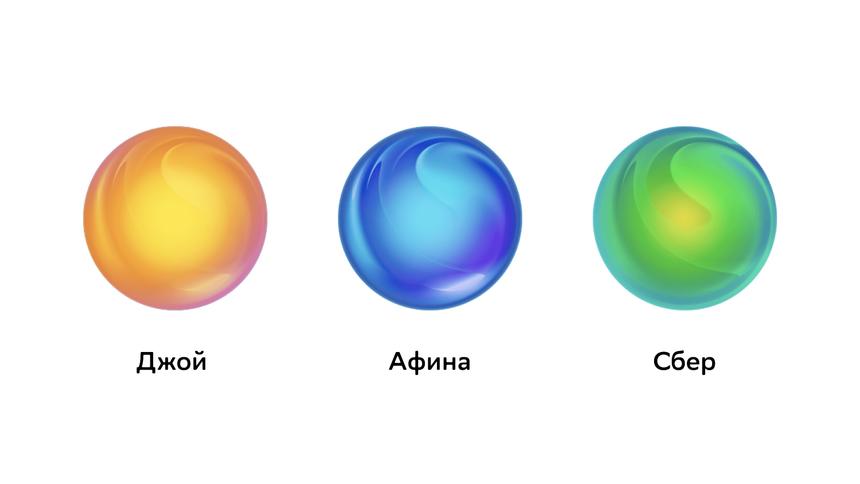
At SberDevices, we have this Salute family, threecharacter with different characters and manner of communication: Athena, Sber and Joy. In principle, we do not call them "voice", because Salute's assistants help to control the device in different ways.
Why is it important? Let's take gesture control.So far this seems like something not particularly necessary - why, for example, stop a song with a gesture if you can give a command with your voice? But, like everything convenient, you quickly get used to the gesture controls.
For example, if the phone rings and you need to instantly answer the call, turning off the playback with a wave of your hand will be more convenient than picking up the handset and surprising the interlocutor with a call to the voice assistant.
Salut recently had her first birthday.On this occasion, we summed up the results and found out that Athena, Joy and Sber responded to 1.2 million gestures during the year. This is despite the fact that most of the time in our line of gadgets there was only one device available with a camera, and therefore support for gestures - SberPortal!
With the development of computer vision technology over the yearsin 10 years we will be able to turn on the kettle with a wave of our hand, especially since this is also convenient for equipment manufacturers; you just need to install a camera on the device. The next round of development in this direction is the technique’s perception of your facial expressions. For example, if you smiled while watching a video, the device will understand that you like this type of content and will take this into account in the future.
Multimodality is an advantage thatallows everyone to choose a convenient format for interaction with smart devices and virtual assistants “living” in them. But how can we ensure that the assistants themselves keep up with the needs of users, so that they can provide a wide range of functions for all occasions? So that, for example, you can use your voice to order products not only from a large retail chain, but also from a store near your home? To do this, you need to open up the opportunity for external developers to create applications for assistants.
Sber has such a platform called SmartMarket,it can teach assistants new skills - we call them smartups. Over the past year, about 800 smart-ups were created - that is, 800 new skills appeared for assistants, from basic games to supporting orders from online stores. From the first days, we made the development as accessible as possible so that everyone could participate in the development of assistants. Many of the tools on SmartMarket do not even require programming skills. Thanks to this, smart-ups are created by both large companies and ordinary people.
More recently, multimodal managementwas something unusual, but today it is becoming more and more in demand, and in the near future, support for such functions will become a hygienic factor - even the simplest devices will have built-in voice and / or gesture commands. SmartMarket has the ability to work with all of these features, and we urge developers not to oversleep the future technological revolution - because in the development of applications for smart devices in the near future, whoever has the most experience will win.
Editorials and columnists in our Cart ✍️
Subscribe to