Animals, including many insects, live in harsh conditions in the Arctic. But why don't they freeze?
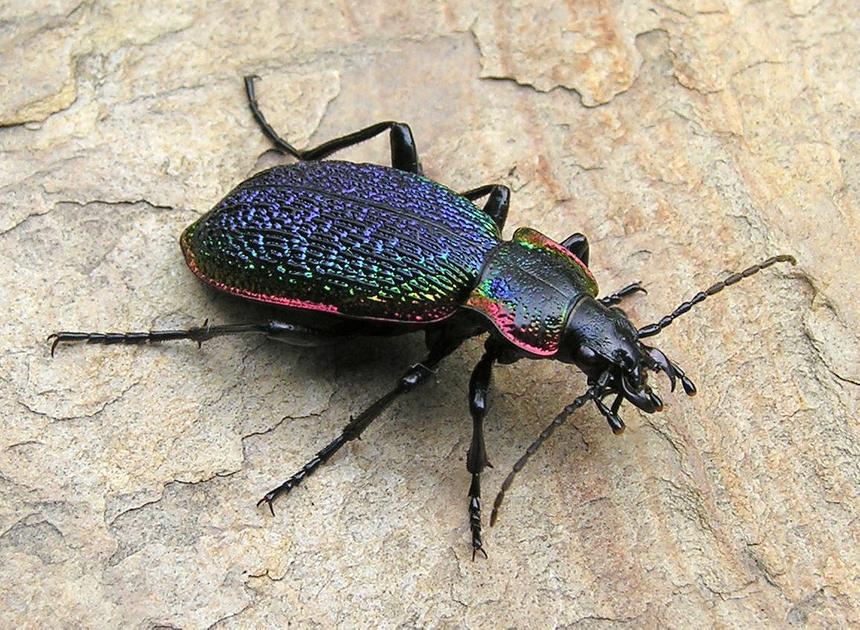
Callaghan, Arctic ecologist from SheffieldUniversity, notes that purely theoretically, insects in the Arctic can freeze. But they have adapted to low temperatures and choose one of two ways: either they tolerate the cold, or they avoid freezing.
In order not to face the cold,Most insects go into diapause in winter. At this time, their development is suspended. True, most often this stage occurs when the insect is in an egg or larva.
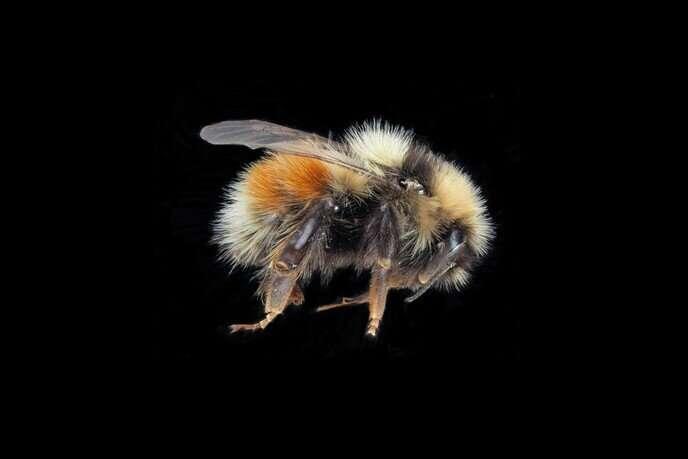
Also, some insects may, in response to coldget rid of the fluid that is in their body. Such insects do freeze for a while, but this does not harm their body. They "wake up" at the end of winter, when the ice begins to melt.
There are insects that produce specialconnections. This, for example, natural alcohol glycerin, which acts on the body as antifreeze. In other words, thanks to these substances, insects living in cold conditions can become supercooled, but the water in their body will not turn into ice.
In addition, one of the beetles can survive attemperatures below -50 degrees Celsius. This happens using vitrification – the process by which a liquid changes to a glassy state.